A Wider View of Health
Connected devices can extend health observation beyond occasional clinic visits. Wearables and home monitors may capture patterns in activity, sleep, heart rate, or other measurements during everyday routines, giving families and clinicians additional context to discuss. A review of wearable health research describes how these readings can support self-monitoring and shared conversations, while noting that device accuracy and interpretation matter (wearables review).
For personalized preventive care, the value lies not in collecting the most data, but in identifying measurements that relate to a person’s health needs and acting on them appropriately. At the Medical Institute of Healthy Aging, advanced diagnostics and individualized medical interventions provide the clinical context for prevention; connected readings can inform that work, not replace it.
Families should ask which measurements are useful, who will interpret them, how concerning changes will be followed up, and how information is protected. Monitoring can support awareness and timely discussion, but it cannot replace clinical judgment, personal interaction, or in-person evaluation when needed. These questions guide the choices that follow.
How Remote Monitoring Supports Proactive Care
 Remote patient monitoring (RPM) uses connected home or mobile devices to collect health measurements and share them with a care team. Depending on the device and program, readings may be taken at set intervals or continuously.
Tools can include blood pressure cuffs, glucose meters, connected scales, and wearables. Clinicians interpret readings alongside symptoms, medical history, and other clinical information, rather than treating a device result as a diagnosis. At the Medical Institute of Healthy Aging, remote measurements can contribute to a wider preventive picture when considered with individual health needs and clinical assessment.
Patterns between appointments may reveal changes that a single office reading misses. A 2023 systematic review of practitioners’ experiences found that remote monitoring could help clinicians recognize deterioration, assess treatment response, and tailor care, while also noting concerns about accuracy, workload, and usability. The review describes practitioner perspectives, not proof that every monitoring program improves outcomes. [Read the review of remote patient monitoring](https://pmc.ncbi.nlm.nih.gov/articles/PMC10730976/).
Home measurements can sometimes offer a more representative view than a clinic snapshot, including when a person’s blood pressure rises temporarily in a medical setting. Over time, accessible readings may also help patients notice patterns and take a more active part in conversations about their care. Wearables may support self-monitoring, but their value depends on appropriate guidance and reliable interpretation, as a review of wearable health technology discusses.
RPM is one part of telehealth, the broader use of digital tools for remote health services. It does not replace an in-person assessment or emergency care. Before relying on a program, families should ask who reviews readings, how often they are checked, and what steps to take when a result or symptom needs urgent attention. Remote monitoring can support proactive care, but it is not a guarantee that every concern will be detected or prevented.
Choosing Devices for Useful Measurements
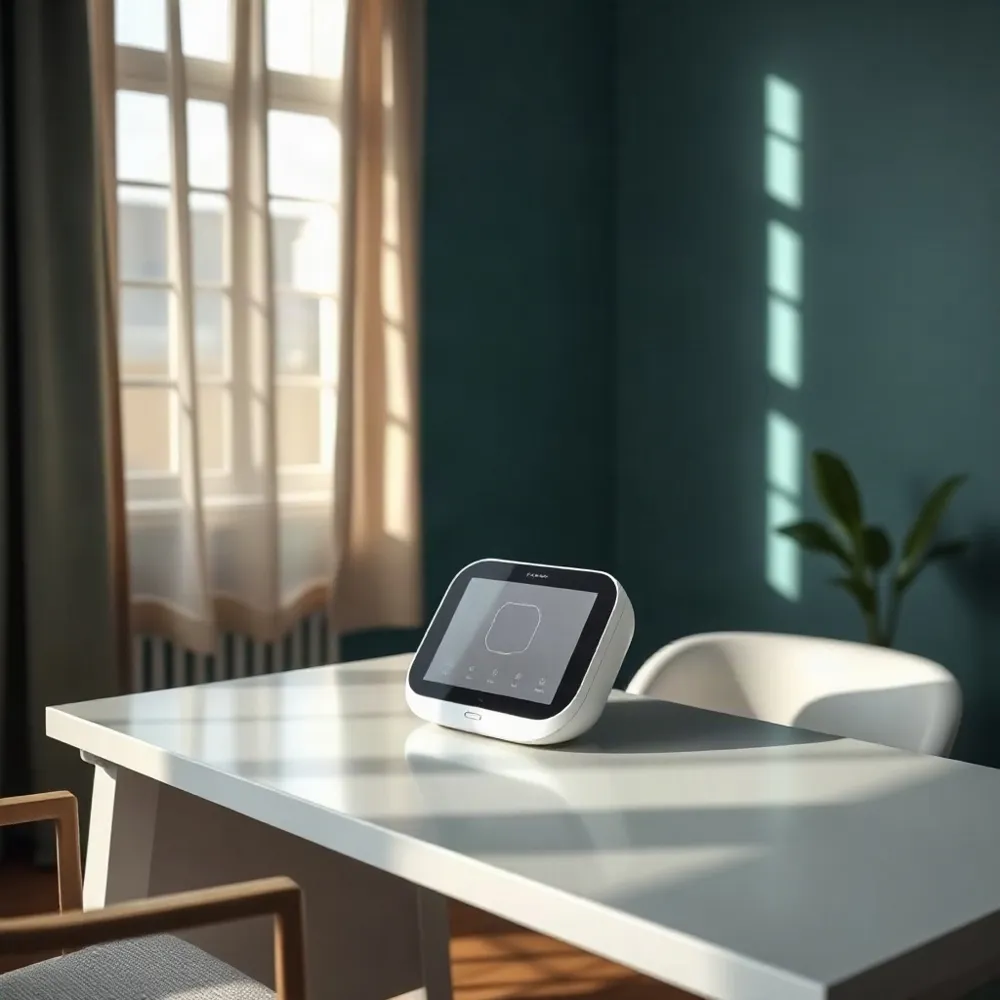 Home health tracking ranges from everyday wearables to dedicated medical equipment. Smartwatches, rings, and fitness bands may record activity, sleep, and heart rate; some models also estimate skin temperature or blood oxygen. Wearable ECG devices and Holter monitors record heart rhythm, while blood pressure cuffs and continuous glucose monitors track specific measures over time. Fingertip pulse oximeters, digital thermometers, and connected scales offer other focused options.
These tools are not interchangeable. A device should match the health question, such as following blood pressure or observing glucose patterns, rather than being chosen for its novelty or number of features. A clinician can help determine which measure is relevant and whether a medical-grade tool is needed. The Medical Institute of Healthy Aging’s approach centers on personalized diagnostics and preventive care, making the purpose of a measurement more useful than collecting data for its own sake.
Consumer readings can help reveal patterns, but accuracy varies and a reading is not automatically a diagnosis. A review of wearable research describes potential value for self-monitoring while noting concerns about device accuracy and the need for appropriate clinical interpretation (scoping review of wearable health technology). Discuss persistent or concerning readings with a healthcare professional, and check that a device intended for diagnosis or screening is authorized for that purpose. Harvard Medical School likewise cautions that wearable data can inform a conversation with a doctor but does not replace medical evaluation (Harvard Medical School’s overview of wearables).
In family settings, practical fit matters. Consider the person’s routine, comfort, dexterity, preferences, and access to a compatible phone. Clear instructions and technical support may make a device easier to use consistently. For a broader comparison of home-monitoring options, see choosing a wearable for health monitoring.
Benefits and Limits of Wearables
Repeated tracking can make everyday patterns easier to notice. Activity, heart rate, sleep, or other measures may show how routines change over time, giving patients useful context for conversations with clinicians. A scoping review of wearable health technology found that wearables may support self-monitoring and participation in care, while stressing that benefits depend on the user, device, and clinical context.
Feedback, reminders, goals, and progress displays can encourage some people to move more or maintain healthy routines. Tracking alone, however, may not change behavior, and rigid targets or comparisons can discourage rather than motivate. The Medical Institute of Healthy Aging’s focus on personalized preventive care reflects why health information is most useful when considered alongside a person’s needs and clinical guidance.
A consumer smartwatch or activity tracker is not interchangeable with a prescribed or specialized medical device. Continuous glucose monitors and heart-rhythm monitors are designed to support assessment of specific conditions, with readings reviewed in the context of a care plan. Research on wearables also notes that consumer devices should not be the sole basis for clinical decisions.
Wearable readings are estimates, and accuracy can vary with the device, fit, movement, and how it is used. A poor-quality reading may cause needless concern or mislead a care decision, while a normal result cannot rule out a health problem. Discuss unusual readings with a clinician rather than treating a device alert as a diagnosis.
Practical barriers matter too. Cost, discomfort, small displays, smartphone requirements, and technical problems can make a device hard to use; interest may also fade over time. Health data raises privacy questions, and unexpected readings can increase anxiety. For advice on interpreting personal tracking over time, see wearables and preventive care.
Turning Readings Into Personalized Prevention
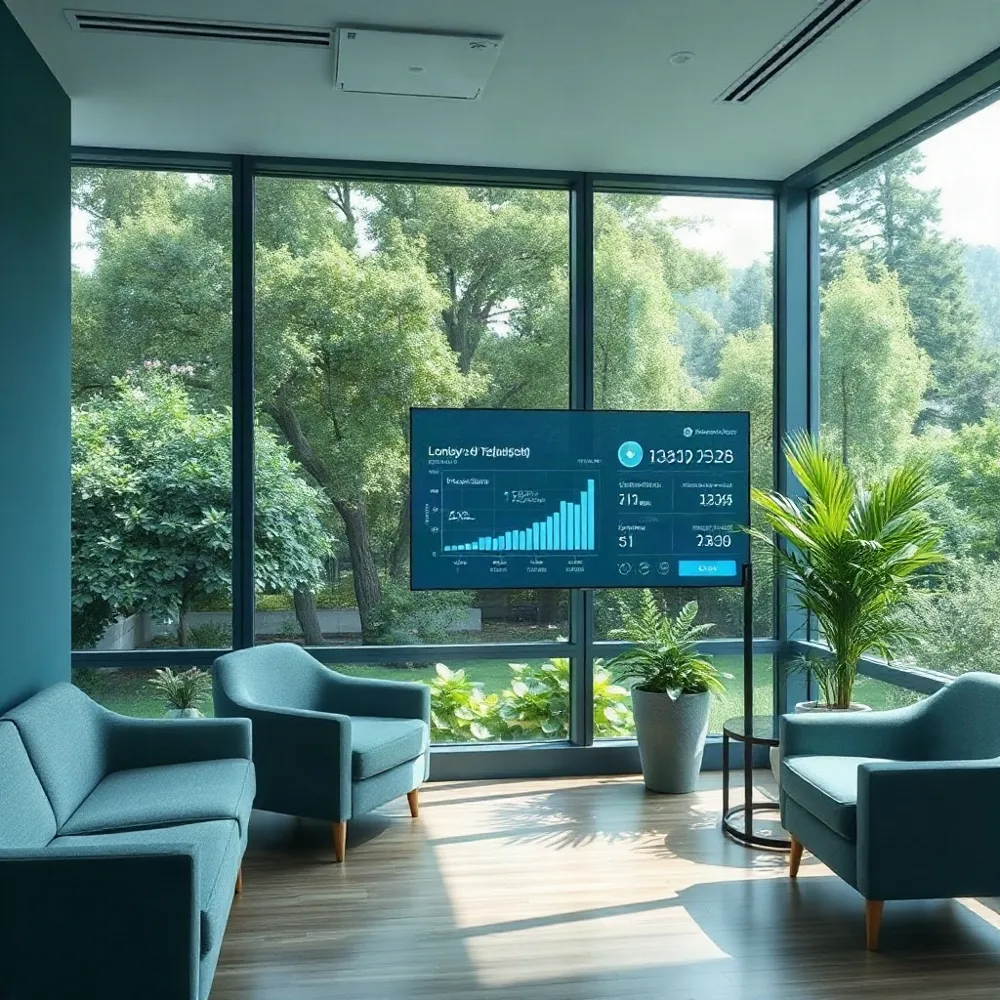 Remote readings become more useful when considered alongside a person’s symptoms, medical history, goals, and clinical findings. With the patient’s agreement, a clinician may review wearable and home-device data together with symptom logs and telehealth check-ins, then compare that information with measurements taken during an in-person visit.
The pattern matters more than a single outlier. Changes in blood pressure, glucose, activity, sleep, or weight can be reviewed against the person’s usual baseline and the context in which readings were taken. A home blood-pressure trend, for example, may add information that a measurement taken during a brief clinic visit cannot provide. Still, an unusual reading is a prompt for appropriate interpretation, not a diagnosis or an automatic reason to change treatment.
A clinician can use the wider picture to discuss prevention and follow-up that fit the person’s health conditions and preferences. Depending on the findings, that discussion might cover exercise, nutrition, medication, or when to review progress. Remote monitoring practitioners have described its potential to reveal changes between appointments and support more individualized care, while also noting concerns such as measurement accuracy and data burden. The review included varied technologies and study methods, so its findings should not be treated as proof that every device improves outcomes systematic review of practitioner experiences with remote patient monitoring.
Shared review helps patients understand what the data can and cannot show, ask questions, and take part in decisions. Wearable data may support self-monitoring and conversations with clinicians, but consumer-device readings should not stand alone in clinical decisions review of wearable health technology. At the Medical Institute of Healthy Aging, this kind of individualized discussion fits a broader focus on preventive care and health optimization. Plans can be revisited as a person’s health, routines, or priorities change.
Protecting Sensitive Health Information
Wearable and home-monitoring data deserves careful protection, even when it appears limited to steps, sleep, or heart rate. Patterns in those measurements can reveal details about a person’s routines and health. For guidance on how wearable data can inform care while raising privacy concerns, see this review of wearable health technology.
Before using a device or app, read its privacy policy and review its settings. Check what information it collects, where it is stored, how long it is retained, and whether it is shared with other companies. Turn off optional sharing and grant only the permissions needed for the tool’s intended use. The Medical Institute of Healthy Aging’s approach to privacy and data stewardship likewise treats monitoring information as sensitive.
Protect accounts with unique, strong passwords and enable multifactor authentication when available. Keep the device, its apps, and the phone or computer that holds the data updated and secured. Avoid posting readings or location-linked activity publicly, and periodically check which apps can access health information. Revoke permissions for services no longer in use.
Families should also ask clinicians how readings will enter the care process and what safeguards apply. Consumer apps and wearables are not necessarily covered by HIPAA, so the law’s protections may not apply to every service handling the information. Clear consent and an understanding of third-party data practices are important when health details move between devices, apps, and care teams. A digital health privacy review discusses these risks and the need for active safeguards.
Knowing When to Contact a Clinician
A reading is most useful when viewed against a person’s usual pattern. Discuss a persistent or worsening change with a clinician, particularly if it appears alongside new symptoms or begins to affect daily activities. This context helps distinguish a meaningful trend from an isolated fluctuation.
Repeated readings outside the expected range, such as unusually high or low heart rate or blood pressure, are worth raising with a clinician. Avoid making decisions from a single measurement or a device-generated score. Wearable accuracy varies, and research on remote monitoring describes concerns about measurement quality, false alerts, and how readings are interpreted.
Severe or sudden symptoms need urgent medical attention, regardless of what a wearable displays. Chest pain, fainting, severe shortness of breath, or signs of stroke should not wait for a device alert or routine follow-up.
When contacting a clinician, share the reading, when it was taken, any symptoms, and the device used. A clinician can consider this information alongside medical history and decide whether repeat measurements, confirmatory testing, or a care-plan change is appropriate. The Medical Institute of Healthy Aging’s guidance on when health changes need attention also recommends discussing persistent or worsening changes, especially when they affect daily life.
Families should also confirm how a monitoring program handles alerts and when its team reviews readings. An alert does not mean a clinician is watching continuously; remote-monitoring research notes that delayed review can leave patients uncertain about abnormal results. Ask whom to contact for routine concerns and what service to use if an urgent problem arises.
Keep Technology in Its Proper Role
A monitoring device is useful when it fits the person’s routines, provides information that can be interpreted, and supports an agreed plan for follow-up. Families can weigh those practical considerations alongside measurement limits, privacy, cost, and access.
Decisions are best made with the person being monitored and a clinician who can explain what the readings mean and when they warrant attention. At the Medical Institute of Healthy Aging, this kind of context matters: digital measurements can inform personalized preventive care, but they do not replace clinical assessment or an individual care plan.
Wearable data may help people and clinicians observe health patterns beyond occasional appointments, while research highlights both opportunities for engagement and limits in accuracy and sustained use (wearables review). Devices can support attention to health over time, but human judgment, clinical interpretation, and timely care remain essential.