
The Limits of Waiting for Symptoms
Chronic disease places a substantial burden on health and health systems, but its prevalence does not prove that conventional care universally fails. The RTI chronic disease research overview describes prevention as a continuum that includes lowering risk, early detection, and ongoing management.
Many healthcare encounters begin when a person has symptoms or a known condition that needs attention. Treating established illness is essential, but a visit focused on the immediate problem may leave less room to assess emerging risks, discuss prevention, or track changes over time. A 2019 perspective on healthcare’s shift from reactive to proactive care argues that prevention should complement treatment, not replace it.
The issue, then, is not whether reactive care works for acute illness or diagnosed disease. It is whether relying on reactive care alone gives patients enough opportunity for earlier risk reduction, personalized screening, and continuity. At the Medical Institute of Healthy Aging, a proactive approach centers on personalized health optimization, alongside the clinical care needed when illness occurs.
Reactive Care and Prevention
Proactive care seeks to maintain health and reduce future risk, rather than waiting for a problem to become difficult to address. It can include a review of personal risk factors, recommended screening and vaccination, regular checkups, and guidance on habits such as nutrition, physical activity, sleep, and tobacco use. The aim is to identify concerns early and respond in ways suited to the individual.
This approach is distinct from reactive care, which diagnoses and treats illness after symptoms appear or a condition is established. Medication, surgery, and other treatments remain necessary for acute illness and existing disease. A 2019 perspective in Clinical Pharmacology & Therapeutics describes prevention as a complement to treatment, not a replacement for it (Waldman and Terzic’s perspective on proactive healthcare).
The distinction also does not mean that all conventional care is reactive. Routine clinical care can include prevention, and a suitable plan depends on age, medical history, risk factors, and current health needs. At the Medical Institute of Healthy Aging, personalized health optimization is grounded in assessing individual needs and supporting proactive care, rather than treating prevention as a one-size-fits-all substitute for clinical treatment.
For broader context, preventive medicine and traditional healthcare describes how screening, checkups, and risk guidance can fit alongside treatment. The balance is clinical: preventive steps may help identify risk, while symptoms or diagnosed conditions call for timely evaluation and care.
Why Earlier Risk Reduction Matters
The scale of chronic illness makes prevention a practical concern for patients and health systems alike. RTI reports that about 60% of Americans have at least one chronic illness and 40% have two or more, while chronic disease accounts for nearly 90% of U.S. health care expenditures. These figures describe the burden, not proof that conventional care universally fails. RTI’s chronic disease research emphasizes prevention and management across the course of illness.
Risk can build through several interacting influences. Poor nutrition, insufficient physical activity, smoking, excessive alcohol use, and inadequate sleep may contribute to chronic disease, while family history and mental health can also matter. Conditions in the places people live, work, and spend time affect access to nutritious food, health services, and clean air. Risk is therefore shaped by more than individual choices.
Earlier assessment can help clinicians identify concerns and discuss appropriate next steps. Screening, monitoring, and sustainable health habits may reduce risk or detect changes sooner, but none guarantees that disease will be prevented. A suitable approach depends on a person’s history, current health, and circumstances. At the Medical Institute of Healthy Aging, personalized longevity care focuses on advanced diagnostics and interventions tailored to individual health needs, rather than assuming one test or plan fits everyone.
The gap is often one of delivery: preventive approaches are not consistently built into everyday care. That points to an implementation challenge, not a failure of all traditional medicine. A 2019 perspective in Clinical Pharmacology & Therapeutics argues that prevention should complement treatment of established disease, using biological and technological advances to support more individualized care. The article on reactive and proactive health care offers this framing without suggesting that prevention can replace necessary treatment.
For readers considering how ongoing risk assessment fits into a broader care plan, why preventive medicine matters for long-term wellness provides related context.
Personalized Screening and Prevention
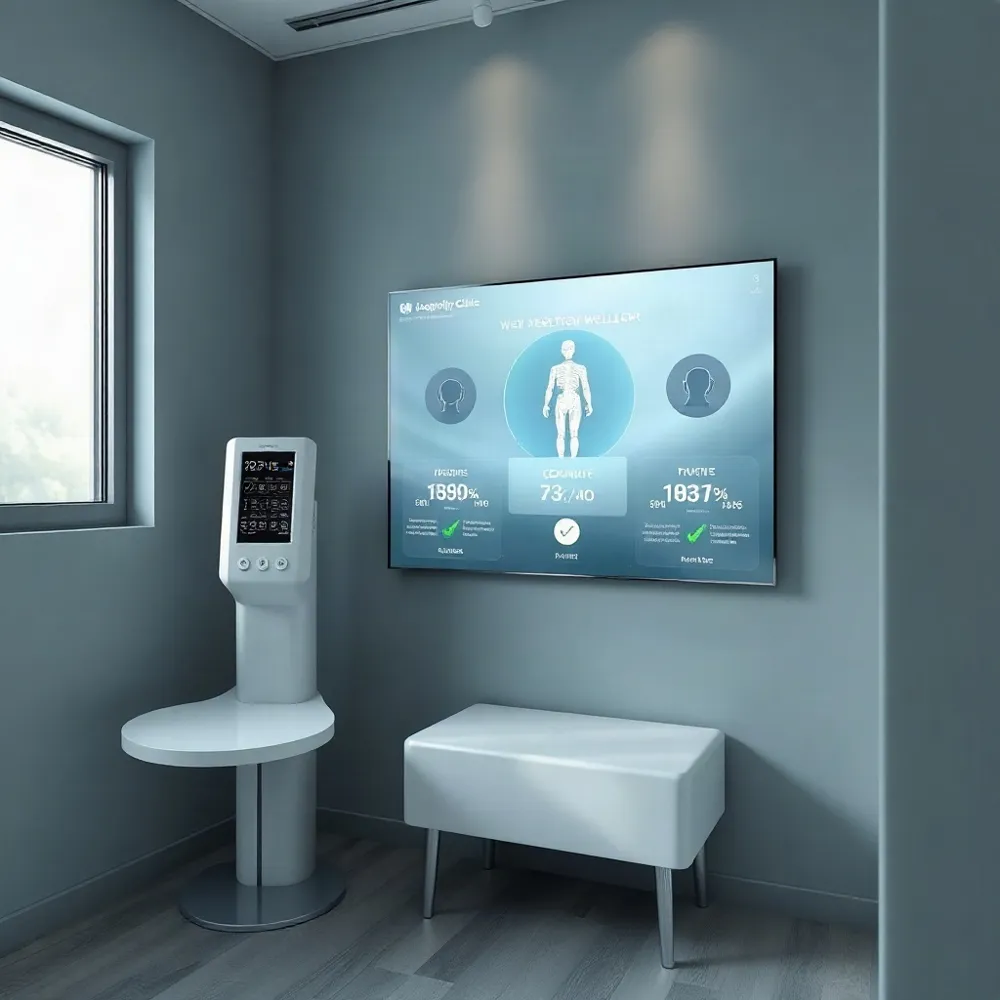 Preventive care works best as an individualized plan, not a fixed checklist. A clinician can consider age, medical and family history, lifestyle, symptoms, and relevant environmental exposures, then decide which checkups, screenings, vaccinations, counseling, or other services fit a person’s needs. This approach aligns with personalized prevention, where recommendations reflect a person’s risks and circumstances.
Assessment may include blood pressure, cholesterol, blood sugar, and kidney function, along with cancer screening suited to a person’s age and risk. These results can help clinicians identify concerns that warrant follow-up, rather than waiting for symptoms to appear. Research on chronic disease prevention likewise emphasizes addressing risk, early detection, and ongoing management as connected parts of care (RTI International’s chronic disease prevention research).
Continuity in Chronic Disease Management
 For people living with a long-term condition, care does not end when symptoms ease or a single appointment is over. Chronic disease management is coordinated, personalized care for conditions such as diabetes, heart disease, asthma, or arthritis. It supports prevention, but it does not replace acute treatment when needed.
A continuing plan can include regular assessments, medication reviews, symptom monitoring, and shared goals that reflect a person’s priorities. Clinicians can also offer lifestyle guidance and coordinate with specialists or other care professionals when a condition calls for it. The plan should be evidence-based and adjusted to the person, rather than applied as a fixed checklist.
Follow-up matters because symptoms, treatment needs, and health risks can change. Ongoing contact gives clinicians opportunities to review progress, identify possible complications, and adjust care safely. Research on chronic disease emphasizes approaches that connect risk reduction, early detection, and long-term management, rather than treating these as separate stages (RTI’s chronic disease prevention research).
Continuity also gives clinicians a fuller view of medical history, preferences, and changes over time. Episodic visits can address an immediate problem, but a reactive-only pattern may leave less room to track longer-term trends or revisit shared goals. This distinction is not a reason to dismiss conventional treatment: established conditions may require medication and other clinical care, alongside prevention and monitoring.
At mdiha.com, the Medical Institute of Healthy Aging frames proactive health optimization around personalized care and advanced diagnostics. For people managing an established condition, those approaches can inform discussions about individual risks and ongoing health goals, while treatment decisions remain grounded in clinical assessment and coordinated care. The broader role of proactive care is to complement treatment and support health and function over time (a review of healthcare’s shift from reactive to proactive care.
Education and Shared Management
Patient education can help people understand a chronic condition and take part in day-to-day care between appointments. Clear explanations, practical skills, and opportunities to ask questions can make an agreed care plan easier to follow.
How can patient education support people managing chronic conditions? Guidance can cover how to monitor symptoms, follow treatment instructions, and recognize when a change warrants contacting a clinician. The aim is to support informed decisions, not to shift responsibility for diagnosis or treatment away from health professionals.
Communication should fit the person’s health literacy, preferences, culture, and daily circumstances. Clinicians can check understanding in plain language and, with the patient’s agreement, include family members or caregivers who help with care. Education may also support prevention by helping people understand risk factors and recommended follow-up, but it cannot guarantee better outcomes or remove barriers such as cost, transportation, or limited access to services.
Shared decision-making connects clinical expertise with a patient’s priorities, helping shape a plan that is realistic and evidence-based. The Medical Institute of Healthy Aging’s approach to personalized care provides a setting for discussing individual health goals alongside preventive strategies; education remains part of care rather than a substitute for clinical evaluation. Patient education and shared management strategies can reinforce this partnership over time.
Regular conversations also give patients and clinicians a chance to revisit instructions as symptoms, treatment, or personal needs change. This ongoing exchange can support confidence and timely help-seeking while keeping medical decisions grounded in professional assessment.
Building Prevention Into Routine Care
 Prevention depends not only on sound clinical advice but on whether health systems can deliver it consistently. Limited resources, heavy provider workloads, unequal access, and difficulty fitting evidence-based guidelines into primary-care workflows can all leave risk assessment and follow-up uneven.
Practical changes include adding routine risk reviews to appointments, coordinating clinicians and other care team members, and agreeing on follow-up plans with patients. Population-level data can also help direct prevention resources toward communities and groups with greater needs, while individual plans should reflect a person’s health history and circumstances. The RTI chronic disease prevention research program describes data-informed prevention and coordinated support as parts of addressing chronic illness.
Digital tools and risk-prediction methods may help identify people who could benefit from earlier attention, but their accuracy, value, and appropriate use still require evaluation. They should support, not replace, clinical judgment and discussion with patients. At the Medical Institute of Healthy Aging, personalized proactive care is grounded in advanced diagnostics and medical interventions tailored to health and aging goals, rather than treating any single test as a complete plan.
For longevity and health optimization, prevention should complement treatment for established conditions. Its value depends on measurable benefit, clinical appropriateness, and fair access, not simply on adopting new technology.
Make Prevention Part of the Care Path
The strongest criticism of traditional care is not that it cannot prevent disease. Many clinicians already screen for risk and support prevention. The concern is that care centered mainly on established illness may leave less room to assess emerging risks, act early, and follow changes over time. A 2019 perspective on the shift toward proactive care describes prevention as a complement to treatment, not a replacement for it (Waldman and Terzic’s review).
Screening, risk reduction, and treatment each have a place. Screening can identify concerns that warrant clinical assessment, while effective treatment remains essential when illness develops. Prevention can lower risk or support health, but it cannot guarantee that chronic disease will be avoided. Population-level prevention also depends on evidence-based services and attention to the conditions that shape access to care (RTI’s chronic disease prevention research).
For the Medical Institute of Healthy Aging, the practical principle is to consider both present needs and future risk. Personalized, evidence-based care can guide screening and appropriate medical interventions while keeping function and healthspan in view. The aim is not to replace necessary treatment, but to make risk assessment and follow-up part of a thoughtful care plan.