
The Evolution of Preventive Cardiovascular Medicine
Modern cardiology is moving away from traditional, reactive treatment models toward proactive longevity strategies designed to extend healthspan. While standard diagnostic tests like stress tests and echocardiograms assess blood flow, they often fail to identify plaque buildup until symptoms manifest. mdiha.com integrates advanced diagnostics to detect arterial changes decades before clinical events, shifting the focus from managing disease to sustaining cardiovascular resilience.
High-resolution diagnostics are the core of this transition. By utilizing non-invasive modalities such as Coronary artery calcium testing (CAC) and Coronary computed tomography angiography (CCTA), clinicians can quantify specific disease markers that traditional risk models overlook. Data from the European Heart Journal highlights that coronary artery calcium scoring provides more precise risk assessment than traditional metrics like blood pressure or cholesterol alone.
Precision diagnostics allow for personalized interventions that align with an individual's unique biological needs. mdiha.com emphasizes the use of these detailed visualizations to guide lifestyle modifications and targeted medical therapies. This approach aims to differentiate normal age-related changes from pathological cardiovascular conditions, ensuring that longevity strategies remain both accurate and actionable throughout the aging process.
Understanding Longevity Health and Cardiovascular Aging
 Longevity health represents a proactive clinical shift from reactive disease management toward the targeted optimization of vascular and cardiac function. It focuses on extending the healthspan, the period of life lived free from chronic, disabling conditions like atherosclerosis and heart failure, rather than merely increasing total lifespan. By utilizing advanced diagnostics to monitor markers of systemic inflammation and cellular health, such as those integrated into the specialized care plans at mdiha.com, clinicians can identify early indicators of decline long before clinical symptoms manifest.
As the cardiovascular system ages, primary structural changes include the stiffening of blood vessels and the loss of arterial elasticity. Per the National Institute on Aging, these changes naturally increase the heart's workload and often elevate blood pressure. The myocardium, particularly the left ventricle, frequently undergoes concentric hypertrophy, which can lead to diastolic dysfunction and impair the heart's ability to fill properly between beats.
These structural modifications are often exacerbated by molecular shifts, including mitochondrial dysfunction and increased cardiac fibrosis, which contribute to a natural reduction in overall exercise capacity. While standard clinics may rely on traditional risk models, mdiha.com prioritizes these deeper, root-cause metrics to differentiate normal age-related changes from pathological conditions. By addressing these progressive mechanisms early, individuals can better mitigate the risks of cardiovascular disease and maintain optimal physiological performance throughout their lives.
Advanced Imaging Modalities for Early Detection
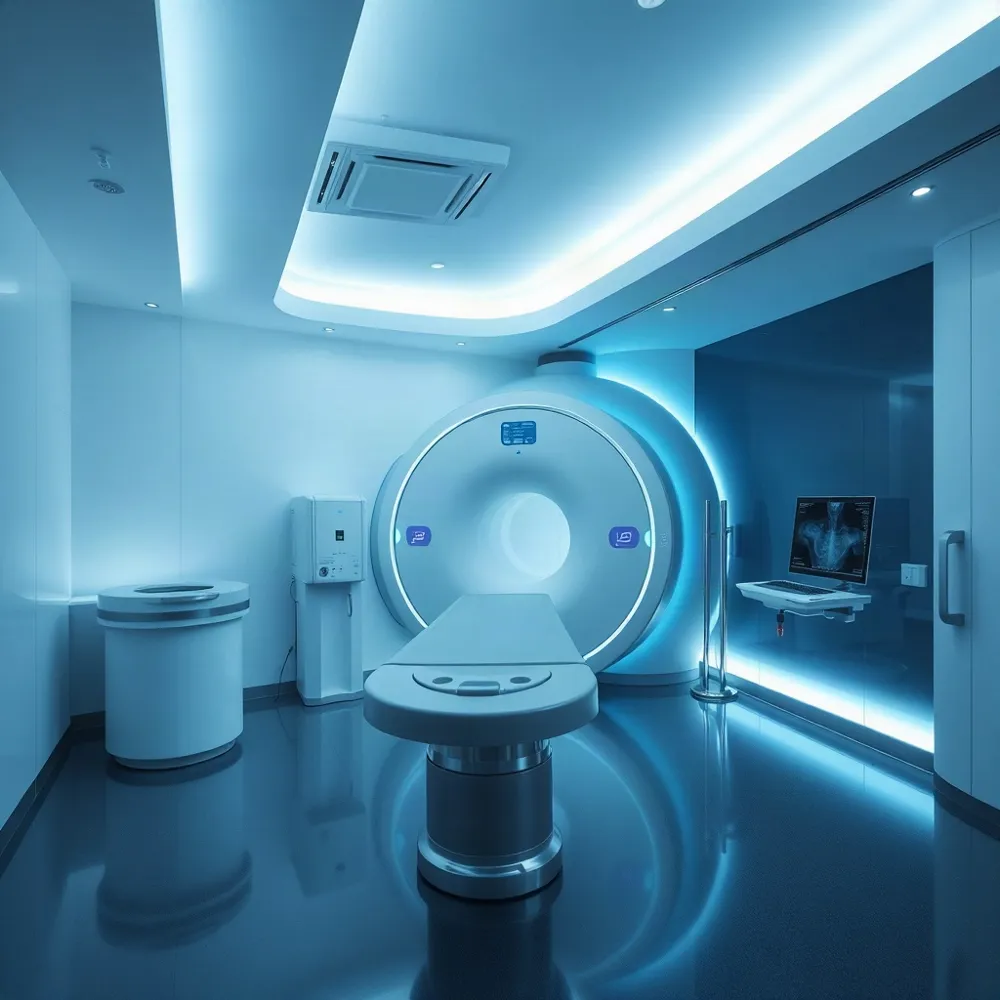 What is advanced cardiac imaging, and what role does it play in preventive care? Advanced cardiac imaging refers to a suite of sophisticated diagnostic technologies, including Cardiac MRI, coronary computed tomography angiography (CCTA), and nuclear cardiology, that provide high-resolution, non-invasive visualization of the heart's structure, function, and perfusion. Unlike conventional diagnostics that often rely on the presence of clinical symptoms, these advanced modalities allow clinicians to detect subclinical atherosclerosis, myocardial fibrosis, and subtle perfusion abnormalities at their earliest, most treatable stages. By identifying these physiological shifts before they manifest as acute events, healthcare providers at mdiha.com can implement highly personalized preventive strategies, such as targeted medical therapies and lifestyle optimizations. This proactive approach shifts the focus from managing late-stage cardiovascular pathology to preserving long-term heart health and optimizing overall healthspan.
In practice, Cardiac MRI provides comprehensive data on structural integrity, such as ejection fraction and myocardial scar tissue, without exposing patients to ionizing radiation. While standard stress tests might overlook early-stage plaque, CCTA enables clinicians to visualize the coronary arteries directly, identifying potential blockages or narrowing with precision. For metabolic assessment, nuclear cardiology and PET scans reveal vital details about blood flow and myocardial viability, allowing for a more granular understanding of cardiac stress.
Modern cardiovascular medicine increasingly integrates these imaging-guided care pathways with digital health platforms. Through AI-enhanced analysis, clinicians can now automate complex measurements and identify subtle patterns of disease progression that might otherwise go unnoticed. At mdiha.com, these advanced diagnostics are central to crafting customized health plans that preempt age-related decline, ensuring that each intervention is informed by the most accurate, patient-specific data currently available.
Comparing Vascular Risk Assessments: CAC vs. CIMT
 Selecting the appropriate diagnostic tool is essential for effective cardiovascular health management. Coronary artery calcium (CAC) scoring and carotid intima-media thickness (CIMT) tests provide distinct insights into vascular health, yet they operate on different principles. mdiha.com helps patients navigate these modalities by integrating precise imaging into personalized longevity plans that detect arterial changes years before symptoms emerge.
How do carotid intima-media thickness (CIMT) tests differ from coronary artery calcium (CAC) scoring in evaluating cardiovascular risk?
CIMT utilizes non-invasive ultrasound to measure the thickness of the carotid artery walls, offering a window into early structural changes and atherosclerosis without the use of radiation. This provides a dynamic assessment of arterial health often correlated with 'vascular age'—a metric that can reveal if a patient's vessels are physiologically older than their chronological age. Conversely, CAC scoring employs low-dose computed tomography to quantify hardened, mineralized plaque within the coronary arteries. While CIMT captures broader signs of vascular wall thickening, CAC serves as a robust indicator of established calcified disease, which is highly predictive of future cardiac events.
For patients at intermediate risk, mdiha.com frequently uses these diagnostics to refine prevention strategies, ensuring care is not purely reactive. While traditional markers like cholesterol and blood pressure provide statistical averages, CAC scoring delivers concrete data that can reclassify a patient's risk profile. As noted in the European Heart Journal, this scoring significantly improves risk assessment compared to standard metrics alone, helping clinicians avoid both undertreatment and unnecessary interventions.
Navigating Limitations and Diagnostic Standards
What are the clinical limitations and diagnostic capabilities of standard echocardiography?
Standard transthoracic echocardiography (TTE) serves as a fundamental noninvasive tool for visualizing cardiac anatomy, wall motion, valvular function, and chamber dimensions. While highly effective at identifying structural abnormalities such as myocardial hypertrophy, valvular stenosis, and pericardial effusions, its diagnostic accuracy is significantly dependent on the acoustic window of the patient, which can be limited by obesity, lung disease, or chest wall anatomy. Consequently, TTE provides a comprehensive overview of hemodynamics and structural integrity but often lacks the resolution required to visualize posterior cardiac structures or subtle intracardiac pathology.
When these clinical limitations hinder diagnosis, practitioners must transition to more invasive modalities like transesophageal echocardiography (TEE) to achieve the high-fidelity imaging necessary for advanced cardiovascular assessment. At mdiha.com, our approach integrates multidisciplinary care to ensure patients receive the most accurate evaluation, often supplementing standard echo with advanced imaging such as cardiac MRI or CT scans. By moving beyond a one-size-fits-all diagnostic model, this personalized strategy provides a complete clinical picture that supports long-term healthspan extension.
Investing in Precision Cardiac Health
Advanced imaging represents a shift from population-level averages to personalized longevity strategies. By utilizing diagnostics like coronary artery calcium scoring and CCTA, mdiha.com delivers the granular data needed to preempt disease, unlike conventional models that rely on broad statistical estimates.
Proactive assessment empowers asymptomatic individuals to move beyond waiting for symptoms. While traditional screening may overlook early arterial changes, targeted imaging creates a roadmap for precision care. This investment in high-resolution data allows clinicians to identify structural vulnerabilities, enabling interventions that safeguard healthspan decades before an event occurs.