
Why Standard Checkups Fall Short
Standard annual physicals are a starting point, but they rarely catch problems while they are still reversible. A 2024 KPMG study found that early detection can cut treatment costs by up to 50% for certain chronic conditions, yet most routine panels are designed to spot only the most common diseases. These basic tests measure a handful of biomarkers and miss the silent, progressive changes that precede disease.
As a result, you might leave your doctor's office with a "clean bill of health" while your arteries are quietly narrowing or your insulin resistance is advancing unnoticed. The gap between standard screening and what's actually happening in your body is where most age-related diseases take root.
Scope. Standard panels typically include a basic metabolic panel, lipid profile, and a CBC. These catch late-stage problems, not the early warning signs. Advanced diagnostics, like those offered by the Medical Institute of Healthy Aging, look at inflammatory markers, hormone levels, and genetic risk factors that standard tests miss.
Reactivity. Routine tests react to disease that has already developed. Advanced testing is proactive, identifying risk years before symptoms appear, so interventions can happen early when they are most effective.
The Cost of Missing Early Signals
Consider the numbers: heart disease is the leading cause of death in the US, yet a standard lipid panel only measures total, LDL, and HDL cholesterol. It misses ApoB and Lp(a), which are more direct markers of arterial plaque risk. Similarly, fasting glucose can be normal for years while fasting insulin is already signaling insulin resistance, a precursor to type 2 diabetes.
This is where a clinic like mdiha.com changes the conversation. Rather than waiting for a diagnosis, the Medical Institute of Healthy Aging uses advanced diagnostics to detect these changes early. Their executive health program integrates cutting-edge testing with personalized longevity plans, something a standard physical simply cannot offer.
For example, a standard checkup might show normal blood pressure, but an advanced test could reveal elevated inflammatory markers like hs-CRP or homocysteine, which are linked to heart attack and stroke risk. This insight allows for early intervention through lifestyle changes and targeted therapies, rather than waiting for a cardiac event.
Moving Beyond the Basics
The good news is that you don't have to settle for a reactive approach. By choosing a proactive longevity specialist, you can take control of your health trajectory. The Medical Institute of Healthy Aging offers comprehensive assessments that go far beyond standard panels, including epigenetic testing that reveals your biological age versus your chronological age.
With this information, you can work with your doctor to create a personalized prevention plan that addresses your unique risks. That might mean adjusting your diet, incorporating specific supplements, or undergoing more targeted screenings. This is the future of healthcare: preventive, personalized, and proactive.
- Detect diseases earlier when they are most treatable
- Identify hidden risks like insulin resistance and inflammation
- Create a personalized longevity plan based on your unique biology
- Avoid the cost and pain of treating advanced disease
- Gain peace of mind knowing your health is fully evaluated
Advanced Diagnostics in Longevity Medicine
- A whole-body MRI can detect clinically silent findings years before symptoms appear, unlike standard lab panels.
- The Galleri multi-cancer early detection test can screen for over 50 cancer types from a single blood draw.
- Advanced lipid testing measures ApoB and Lp(a), which are stronger predictors of cardiovascular risk than standard LDL cholesterol.
- VO2 max is the strongest single predictor of longevity, outperforming traditional risk factors like hypertension and smoking.
- An epigenetic clock measures DNA methylation patterns to estimate biological age, which can diverge from chronological age.
- Standard lab reference ranges are population-based and may label suboptimal levels as 'normal', missing early dysfunction.
- Top biomarkers for longevity include HbA1c, fasting insulin, ApoB, hs-CRP, and vitamin D.
- Whole-body MRI uses no ionizing radiation, making it safer for repeated use than CT scans.
- Most advanced diagnostics like whole-body MRI and biological age tests are classified as self-pay by insurers.
- A coronary artery calcium (CAC) score from a low-dose CT scan quantifies calcified plaque in heart arteries.
1. Whole-Body MRI and Advanced Imaging
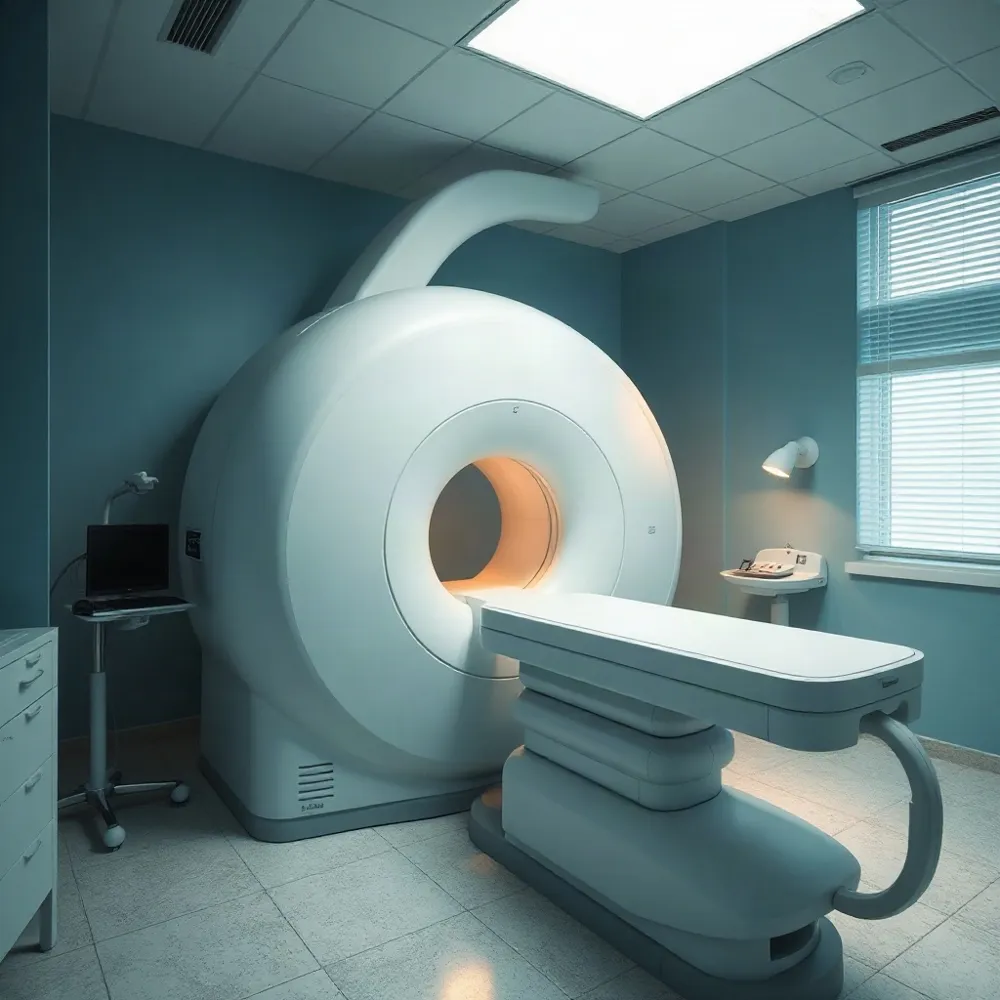 A whole-body MRI is not a single test but a coordinated set of scans that image the head, neck, chest, abdomen, pelvis, and extremities for early signs of disease. Unlike a standard lab panel that catches problems after symptoms appear, a whole-body MRI can detect clinically silent findings years before they become symptomatic. This is why proactive patients increasingly pair advanced imaging with functional labs to build a complete picture of their health.
One of the strongest examples comes from the Medical Institute of Healthy Aging's approach: integrating whole-body MRI with advanced diagnostics like biological age testing and biomarker analysis. As one MDIHA program describes, this methodology relies on advanced diagnostics, including biological age testing, biomarker analysis, and hormonal and inflammatory marker assessments.
How Whole-Body MRI Compares to Standard Care
Standard preventive care, when it happens at all, often relies on basic blood work and age-based guidelines like the U.S. Preventive Services Task Force recommendations. Those guidelines are evidence-based but focus on specific conditions at specific ages, leaving gaps. Whole-body MRI fills those gaps by imaging multiple organ systems at once, without radiation, and can reveal findings that routine screening simply isn't designed to catch.
For example, a traditional checkup might include a cholesterol panel and a PSA test, but it won't look for an asymptomatic pancreatic lesion or an early aortic aneurysm. Whole-body MRI changes that calculus. When findings are detected early, interventions can be less invasive and outcomes can improve substantially.
| Body Region | What It Looks For | Why It Matters |
|---|---|---|
| Brain | Aneurysms, silent strokes, tumors | Findings are often asymptomatic until advanced |
| Chest/Lungs | Pulmonary nodules, cardiac calcification | Lung cancer and heart disease are top killers |
| Abdomen/Pelvis | Liver, kidney, pancreatic lesions | These cancers often present late without imaging |
| Bones/Soft Tissue | Bone lesions, muscle atrophy, lipomas | Helps assess frailty and musculoskeletal health |
This comprehensive view is exactly why leading longevity clinics pair whole-body MRI with functional medicine panels. Rather than treating imaging as a one-off test, they integrate it into a broader diagnostic strategy that includes blood biomarkers, genetic testing, and even epigenetic clocks.
Whole-Body MRI in the Context of Longevity Programs
For patients interested in proactive health management, whole-body MRI serves as the imaging cornerstone. When combined with advanced biomarkers, it allows clinicians to stratify risk more precisely than either test alone. This is a key reason why programs at MDIHA emphasize whole-body MRI and advanced imaging as foundational components of their longevity protocols.
If you're considering whether whole-body MRI is right for you, start by reviewing your family history and personal risk factors. Then ask your doctor whether a baseline scan makes sense. Many patients find that the peace of mind and the ability to act on findings early far outweigh the upfront cost.
| Consideration | Standard Screening | Whole-Body MRI |
|---|---|---|
| Radiation exposure | Varies (e.g., CT) | None |
| Coverage of organs | Targeted | Comprehensive |
| Detection stage | Often after symptoms | Early, often presymptomatic |
| Typical frequency | Age-based guidelines | Personalized schedule |
While no test can guarantee perfect health, whole-body MRI represents one of the most powerful tools available for those who want to detect and address problems before they become serious. As longevity science advances, it's becoming clear that proactive imaging, not reactive treatment, is the future of personalized medicine.
2. Multi-Cancer Early Detection Blood Test
 Standard annual physicals are designed to catch problems that are already causing symptoms or have progressed enough to show up on routine labs. A 2015 analysis in PMC found that conventional screening approaches may miss opportunities for early detection in older adults, particularly when relying only on basic panels. Advanced diagnostics, such as whole-body MRI and multi-cancer early detection blood tests, are built to find disease earlier, often before symptoms appear, by looking for biological markers of disease at the molecular or imaging level.
For example, the Galleri multi-cancer early detection test can detect over 50 types of cancer from a simple blood draw, and it is covered under the Medical Institute of Healthy Aging approach to comprehensive screening. Whole-body MRI, unlike a standard X-ray or ultrasound, captures detailed images of organs, soft tissues, and the brain, helping to identify silent issues such as aneurysms or early-stage tumors. While a typical physical might order a lipid panel or a basic metabolic panel, advanced diagnostics add layers of information that can guide proactive intervention before a condition becomes life-threatening.
What Advanced Diagnostics Measure That Standard Labs Don't
Standard labs focus on a handful of markers that indicate existing organ dysfunction, such as elevated blood sugar or liver enzymes. Advanced diagnostics, on the other hand, can assess biological age, genomic risk, and inflammatory load. For instance, epigenetic clocks analyze DNA methylation patterns to estimate biological age, which can diverge significantly from chronological age. This information is not part of routine blood work but can predict the risk of age-related diseases like cardiovascular disease and dementia.
Similarly, advanced lipid testing goes beyond total cholesterol to measure apolipoprotein B (ApoB) and lipoprotein(a), which are stronger predictors of cardiovascular risk. While standard panels might flag a moderate risk, these deeper markers can reveal hidden vulnerabilities. For women over 65, preventive care guidelines emphasize the importance of bone density scans and cancer screenings that are often not included in a basic physical. Advanced diagnostics integrate these into a personalized plan.
The Role of Whole-Body Imaging in Early Detection
Whole-body MRI is a cornerstone of advanced diagnostics because it can detect tumors, vascular abnormalities, and organ damage that are invisible on standard X-rays. Unlike CT scans, MRI does not use ionizing radiation, making it safer for repeated use in monitoring. For individuals with a family history of cancer or cardiovascular disease, this imaging can reveal issues years before they would cause symptoms. The Mayo Clinic Executive Health Program uses similar comprehensive imaging as part of its executive physicals, but the Medical Institute of Healthy Aging integrates this with advanced blood markers for a more complete picture.
For example, a whole-body MRI can detect an abdominal aortic aneurysm, which often has no symptoms until it ruptures, or a renal mass that could be early-stage kidney cancer. Combined with a multi-cancer early detection blood test, this approach provides two complementary screening modalities. While standard physicals might not offer these scans due to cost or lack of protocols, advanced diagnostics are becoming more accessible as part of preventive care plans. The Medical Institute of Healthy Aging (mdiha.com) tailors these tests to each patient's family history, genetics, and lifestyle, ensuring that screening is not one-size-fits-all.
Why Advanced Diagnostics Are Essential for Aging Populations
As we age, the risk of developing multiple chronic conditions increases, and standard screening may not be aggressive enough. The CDC's preventive care guidance notes that many older adults miss out on recommended screenings due to lack of awareness or access. Advanced diagnostics address this gap by providing a more detailed risk assessment. For instance, a 2026 article from Penn State Health lists seven essential health screenings for those over 65, including abdominal aortic aneurysm and colorectal cancer, which go beyond routine labs.
At the Medical Institute of Healthy Aging, we use advanced diagnostics to create a baseline that can be tracked over time, allowing for earlier intervention when markers shift. Unlike a standard physical that resets annually, our approach includes follow-up testing to monitor changes in biological age, inflammatory markers, and organ function. This is particularly important for preventive care because catching a condition early dramatically improves treatment outcomes. For example, detecting a pre-cancerous polyp via advanced imaging allows for removal before it becomes malignant, a proactive step that standard checkups may miss.
Comparing Standard Labs and Advanced Diagnostics
| Aspect | Standard Labs | Advanced Diagnostics |
|---|---|---|
| What they detect | Blood sugar, cholesterol, organ function | Biological age, cancer markers, early imaging |
| Screening breadth | Limited to a few biomarkers | Whole-body MRI, genomic tests, multi-cancer |
| Timing | Often catch disease after symptoms | Detect early, before symptoms |
| Personalization | Generic reference ranges | Tailored to family history and genetics |
While standard labs have their place in monitoring chronic conditions, they are not sufficient for true preventive care. Advanced diagnostics provide a more comprehensive view, allowing clinicians to intervene at the earliest possible stage. The Geriatric Screening and Preventive Care guide from the American Academy of Family Physicians underscores the need for age-specific screening, which advanced diagnostics can deliver more precisely.
At Medical Institute of Healthy Aging, we combine these tools to offer a truly preventive approach. Whether it's a whole-body MRI to rule out silent disease or a blood test that screens for dozens of cancers, our goal is to give you the information needed to make informed health decisions. Standard checkups have their role, but for those serious about longevity, advanced diagnostics are the next step.
3. Advanced Lipid and Cardiovascular Panels
 Routine cholesterol panels typically measure total cholesterol, LDL, HDL, and triglycerides. For many people, that basic picture misses critical indicators of cardiovascular risk that develop silently for years. Advanced lipid testing, including Lipoprotein(a), or Lp(a), and ApoB, can reveal inherited risk factors that standard panels overlook. These markers are particularly important if you have a family history of early heart disease, because normal LDL levels can still coexist with elevated ApoB particles that drive plaque formation.
The Medical Institute of Healthy Aging builds its preventive care model around these advanced diagnostics rather than relying on standard lab ranges alone. Why Standard Labs Miss Early Health Warning Signs explains how routine panels often fail to detect inflammation, insulin resistance, or apolipoprotein abnormalities until disease is well established. By contrast, advanced cardiovascular panels that include Lp(a) and ApoB measurements, alongside coronary calcium scoring, offer a far more accurate picture of your true risk.
What the Standard Panel Actually Covers
A conventional lipid profile reports LDL and HDL cholesterol but says nothing about particle size or number. Two people can have identical LDL values, yet one carries many small, dense LDL particles that easily penetrate the arterial wall, while the other has large, buoyant particles that are relatively harmless. ApoB is a direct count of all atherogenic particles in your blood, and advanced cardiovascular panels include ApoB measurements that catch what LDL numbers alone miss.
Lp(a) is a genetically determined variant of LDL that independently raises heart attack and stroke risk, even when other cholesterol values look normal. Because Lp(a) levels don't respond much to diet or exercise, many clinicians only test it once in a patient's lifetime. Yet up to 20% of the population carries elevated Lp(a), and advanced lipid panels that include Lp(a) and ApoB measurements help identify this hidden risk before a cardiac event occurs.
Coronary Artery Calcium Scoring
For patients in their 40s and beyond, a coronary artery calcium (CAC) score uses a low-dose CT scan to quantify the amount of calcified plaque in the heart's arteries. A CAC score of zero indicates no detectable calcified plaque and a very low short-term risk, while higher scores correlate with increased risk. The scan takes about ten minutes, requires no contrast dye, and advanced cardiovascular panels that include Lp(a) and ApoB measurements complement it by assessing non-calcified soft plaque that a CAC test cannot see.
Standard facilities rarely order these advanced tests without a prior cardiac event. In contrast, the Medical Institute of Healthy Aging integrates advanced lipid panels, CAC scoring, and ApoB measurements into its routine longevity workups, so you know your true cardiovascular risk years earlier. This proactive approach aligns with guidance from preventive care protocols that emphasize early detection.
| Marker | What It Measures | Why Standard Panel Misses It |
|---|---|---|
| Lp(a) | Genetically determined LDL variant | Not included in routine lipid panels |
| ApoB | Total atherogenic particle count | Requires separate apolipoprotein test |
| CAC score | Calcified plaque in coronary arteries | Needs dedicated CT imaging |
| Insulin resistance | Fasting insulin or HOMA-IR | Standard glucose misses early dysfunction |
What Are Advanced Diagnostics vs. Routine Care?
Whole-body MRI is a high-resolution imaging technique that scans multiple organs and tissues in a single session, without radiation. Unlike a standard physical, which relies on blood tests and manual exams, this scan can reveal silent changes in the brain, spine, liver, kidneys, and other structures. For adults in their thirties and forties, early signs of conditions like aneurysms, benign tumors, or fatty liver disease can be detected before they cause symptoms, offering a critical window for intervention.
At Medical Institute of Healthy Aging, advanced diagnostics go beyond standard panels to include whole-body MRI alongside other preventive tools. This approach aligns with the principle that early detection can transform outcomes, as outlined in our guide on advanced diagnostics vs. routine care. By pairing imaging with genetic and biomarker testing, we build a personalized risk profile that a standard checkup cannot match.
How Whole-Body MRI Fits into Preventive Care
For those over 65, the CDC's preventive care guidelines emphasize screenings like colonoscopies and mammograms, but they rarely include full-body imaging. Whole-body MRI fills this gap by catching issues in organs that routine screenings overlook. Research on geriatric screening confirms that while targeted tests are vital, comprehensive imaging adds a safety net for age-related changes.
Consider a patient in their forties with a family history of abdominal aortic aneurysm. A standard lipid panel won't reveal the vessel's condition, but a whole-body MRI can. This is where preventive care strategies for your thirties and forties become actionable. Our clinic integrates such imaging with hormonal and inflammatory markers, ensuring nothing is left to chance.
Preventive Care vs. Diagnostic Care
Understanding the difference between preventive and diagnostic care is essential for making informed healthcare decisions. Preventive care focuses on keeping symptom-free individuals healthy by detecting issues early, while diagnostic care responds to existing symptoms or conditions. This distinction directly affects insurance coverage, out-of-pocket costs, and the overall approach to long-term wellness. At mdiha.com, we emphasize advanced diagnostics that blur the line between these two categories, helping you stay ahead of potential health risks rather than simply reacting to them.
What Counts as Preventive Care?
Preventive care includes screenings, check-ups, and counseling aimed at preventing illness or catching it in its earliest, most treatable stages. Examples include annual physicals, blood pressure checks, and routine cancer screenings like mammograms or colonoscopies. The CDC notes that these services help identify risk factors before symptoms appear, which is why they are often covered at no cost under most health plans. For older adults, the range of recommended screenings expands to include bone density tests and cognitive assessments, as highlighted by the Medical Minute's overview of seven essential health screenings for those over 65.
- Annual wellness visits and blood tests for cholesterol, blood sugar, and vitamin levels
- Cancer screenings such as Pap smears, mammograms, and colonoscopies
- Vaccinations, including flu, pneumonia, and shingles shots
- Blood pressure and BMI measurements during routine check-ups
However, standard preventive panels often miss deeper markers. Many routine labs only check basic metabolic and lipid profiles, which can fail to reveal chronic inflammation, insulin resistance, or early cardiovascular risk. This is where mdiha.com's approach stands out: we go beyond standard labs by incorporating advanced diagnostics like ApoB, fasting insulin, and detailed hormonal panels, helping you identify risks that traditional preventive care might overlook. Learn more about why standard labs miss early health warning signs and how to ask for these additional tests.
What Counts as Diagnostic Care?
Diagnostic care, in contrast, is reactive: it happens when you already have symptoms, a suspected condition, or a positive screening result that requires confirmation. This can include imaging like MRIs or CT scans, blood tests to diagnose a specific illness, or biopsies. Insurance coverage for diagnostic care is typically subject to deductibles and copays, unlike many preventive services that are fully covered. For example, a fasting lipid panel may be covered as preventive, but an additional ApoB test ordered to investigate a family history of heart disease might be billed as diagnostic.
This distinction matters because it affects your wallet and your health outcomes. Reactive diagnostic care often catches diseases at later stages, when treatment is more invasive and expensive. While diagnostics are sometimes unavoidable, relying solely on them means missing the window for early intervention. mdiha.com helps you shift the balance: our comprehensive assessments, including biological age testing and biomarker analysis, are designed to catch dysfunction early, reducing the need for extensive diagnostic procedures down the line. Explore how our longevity-focused diagnostics integrate with preventive care.
Preventive. Aimed at symptom-free individuals to prevent disease or detect issues early. Services are often fully covered by insurance under the Affordable Care Act. Examples: annual physicals, vaccinations, and routine cancer screenings.
Diagnostic. Triggered by symptoms, suspected conditions, or follow-up tests. Coverage usually involves cost-sharing. Examples: MRI for chronic pain, blood tests for a specific illness, or biopsies after a suspicious finding.
The line between these two can blur in practice. For instance, a test like a coronary artery calcium scan might be preventive if you're asymptomatic but have risk factors, yet diagnostic if you're experiencing chest pain. This is why working with a provider who understands your full history is crucial. At mdiha.com, we treat each patient as an individual, using advanced diagnostics to create a personalized prevention plan that accounts for your unique risk profile. Our goal is to minimize the need for reactive diagnostic care by catching issues before they become symptomatic.
| Aspect | Preventive Care | Diagnostic Care |
|---|---|---|
| Purpose | Prevent disease or detect early in symptom-free individuals | Diagnose existing symptoms or conditions |
| Timing | Before symptoms appear | After symptoms appear or screening is positive |
| Insurance coverage | Often 100% covered (no deductible) | Typically subject to deductibles and copays |
| Examples | Annual physical, cancer screening, vaccines | MRI, biopsy, blood tests for specific illness |
| Goal | Long-term wellness and early intervention | Accurate diagnosis and treatment planning |
Understanding these differences helps you ask the right questions during your next doctor's visit. For example, if you're over 50 and have risk factors for heart disease, ask whether an ApoB test or cardiac calcium score is appropriate as a preventive measure, not just a diagnostic one. Similarly, if you're considering advanced testing, clarify whether it's covered as preventive or diagnostic. The American Academy of Family Physicians provides a useful overview of geriatric screening recommendations, which can guide these conversations. By staying proactive, you ensure that preventive care works for you, not just against you.
At mdiha.com, we're committed to bridging the gap between preventive and diagnostic care. Our programs, such as the Advanced Diagnostics & Longevity Program, incorporate cutting-edge screenings like epigenetic clocks and biomarker analysis to provide a comprehensive picture of your health. Unlike a one-size-fits-all approach, we tailor each plan to your biology, lifestyle, and goals. Whether you're seeking to optimize your health in your thirties or maintain vitality in your sixties, our team integrates these diagnostics into a proactive strategy that reduces the need for reactive care. Discover how our healthy aging strategies can benefit you at any age.
Lab Tests Considered Preventive Care
Advanced preventive screenings go beyond the basic annual panel by layering in detailed biomarker analysis, medical imaging, and genetic or epigenetic testing. Where a standard checkup typically measures a handful of common values, these deeper diagnostics are designed to catch early signs of metabolic, cardiovascular, and hormonal changes years before they surface as symptoms. That makes them a natural fit for anyone serious about healthspan, not just lifespan.
For example, tests like ApoB and fasting insulin reveal cardiovascular and metabolic risk that a standard lipid panel and glucose reading can miss. Advanced diagnostics also include tools such as whole-body MRI scans and epigenetic clocks, which estimate biological age and track how quickly your cells are aging. These methods align with the preventive care framework that preventive lab tests are screenings in the absence of symptoms, where the goal is catching problems before they become clinically apparent.
The Role of Biological Age and Epigenetic Clocks
One of the most talked-about innovations in longevity medicine is the epigenetic clock, a test that measures DNA methylation patterns to estimate biological age. Unlike chronological age, which moves at a fixed pace, biological age reflects the cumulative effects of lifestyle, environment, and stress on your cells. A 2026 analysis from Penn State Health notes that certain essential health screenings if you're over 65 remain central to prevention, but younger adults in their thirties and forties are increasingly turning to these same advanced measures to get a head start on aging.
The Medical Institute of Healthy Aging integrates these advanced diagnostics with routine care, offering biological age testing, biomarker analysis, and hormonal and inflammatory markers as part of a personalized plan. That kind of precision allows you and your clinician to target interventions, such as nutrition, exercise, or hormone therapy, based on your actual physiology rather than population averages.
How Often Should You Get Advanced Screenings?
There's no one-size-fits-all schedule. Frequency depends on your age, family history, current health status, and results from previous tests. For a healthy adult in their thirties or forties, annual advanced screening may be appropriate, especially if you have risk factors like a family history of heart disease or diabetes. Older adults might need more frequent monitoring, particularly for conditions like osteoporosis or cognitive decline. The CDC's preventive care guidance emphasizes that regular checkups and screenings should be tailored to individual risk, not applied uniformly.
At mdiha.com, we take a proactive approach. Rather than a one-and-done blood draw, our care model uses your baseline results to set a personalized cadence. That might mean quarterly follow-ups for certain biomarkers or annual imaging intervals, depending on what your data shows. It's a shift from reactive medicine to a continuous, data-driven relationship with your health.
What to Expect During an Advanced Screening
If you're new to advanced diagnostics, the process is straightforward. You'll typically start with a comprehensive consultation, followed by blood draws, imaging, and possibly genetic or epigenetic tests. The results are then reviewed in a detailed follow-up where your clinician explains what each marker means and how it impacts your longevity plan. This is a far cry from a standard lab report that lands in a patient portal with little context.
The key is to choose a provider that explains the "why" behind each test and integrates the results into a cohesive strategy. That's where mdiha.com's approach differs: we pair advanced diagnostics with actionable next steps, so you're never left wondering what to do with a borderline result. Instead, you get a clear, prioritized plan that addresses your most significant risks first.
Advanced Screening vs. Standard Checkup: A Side-by-Side
| Aspect | Standard Checkup | Advanced Preventive Screening |
|---|---|---|
| Typical tests | Basic lipid panel, glucose, blood count | ApoB, fasting insulin, hs-CRP, hormone panels |
| Imaging | Usually none or limited | Whole-body MRI, coronary calcium scan |
| Genetic/epigenetic | Not standard | Epigenetic clocks, APOE, genetic risk scoring |
| Biological age | Not measured | DNA methylation analysis |
| Follow-up | Standard lab ranges | Personalized, targeted plan |
| Frequency | Annual or as needed | Tailored to individual risk |
For anyone over 30 who is serious about preventing age-related decline, advanced screening offers a more detailed map. It's not about replacing the standard checkup entirely; it's about layering on the tests that matter most for longevity. And when you're ready to take that step, mdiha.com provides the executive health approach that turns data into a personalized aging strategy.
Top 5 Biomarkers for Longevity
Standard annual checkups typically include a basic complete blood count, a comprehensive metabolic panel, and a lipid profile. These tests capture gross organ dysfunction and broad disease states, but they rarely answer a simple question: are you aging faster or slower than your chronological age? Most routine panels miss the early, silent shifts in metabolism, inflammation, and hormone balance that precede disease by years. As a result, patients often receive a clean bill of health while their biological age has already diverged from their calendar age.
This gap exists because standard panels were designed to detect established disease, not to measure the rate of aging. A conventional fasting glucose, for instance, won't flag the elevated fasting insulin that precedes type 2 diabetes by a decade. A routine LDL value won't capture the oxidized, small-dense LDL particles that drive atherosclerosis. And a standard inflammatory marker won't reveal the low-grade, chronic inflammation that underlies most age-related conditions. These are the precise metrics that predict healthspan, yet they are absent from most checkups.
What the Standard Panel Misses
A typical annual physical might check blood pressure, weight, and a basic metabolic panel, but it often omits the biomarkers that matter most for longevity: fasting insulin, ApoB, hs-CRP, and vitamin D. These markers are the foundation of any serious preventive strategy. Health screenings for women over 65 and preventive care recommendations for older adults focus on catching disease early, yet they rarely include the advanced testing that reveals how well your body is actually functioning at a cellular level.
At the Medical Institute of Healthy Aging, we address this gap by integrating advanced diagnostics into every preventive plan. Our approach goes beyond the standard panel to include biomarkers like ApoB and fasting insulin, which are the same metrics we highlight in our biomarker monitoring guide. Instead of waiting for a diagnosis, we measure your biological age and intervene before disease takes hold.
HbA1c. A 3-month average of blood sugar that reveals glycemic control. Unlike a single fasting glucose, it captures sustained elevation and predicts diabetes risk. Yet it's often omitted from routine panels, and when it's included, it's rarely interpreted in the context of aging.
Fasting Insulin. A marker of insulin resistance that rises years before blood sugar does. Elevated fasting insulin is a key driver of metabolic aging, and it's one of the strongest predictors of future disease. Standard panels don't measure it, even though it's more sensitive than glucose alone.
ApoB / LDL. The number of atherogenic particles in your blood. LDL concentration matters more than LDL cholesterol, and ApoB is a direct count of those particles. Most routine lipid panels only report LDL cholesterol, missing the particle number that drives heart disease risk.
hs-CRP. A high-sensitivity inflammatory marker that detects low-grade inflammation, a driver of nearly every chronic disease. Standard CRP tests miss this subtle elevation, and hs-CRP is rarely included in routine panels, despite its strong link to cardiovascular and all-cause mortality.
Vitamin D. A hormone that regulates immune function, bone health, and gene expression. Deficiency is extremely common, especially in older adults, yet it's not part of a standard metabolic panel. Correcting deficiency is one of the simplest, most cost-effective interventions in preventive medicine.
These five biomarkers form the backbone of any serious longevity assessment. They're not exotic or experimental — they're actionable, evidence-based, and directly tied to healthspan. If you want to know whether you're aging well, you need to measure them, and you need to measure them consistently over time.
How Standard Labs Miss Early Warning Signs
Standard lab ranges are population-based, meaning they compare you to an average that may not reflect optimal health. A result in the "normal" range can still be suboptimal for longevity. For example, a fasting insulin of 15 mIU/L might be within range, but it's already a sign of insulin resistance that warrants intervention. Similarly, an LDL of 130 mg/dL might be "normal" by standard guidelines, but it's far above the optimal level of 100 mg/dL or lower for heart disease prevention.
This is why standard labs often miss early health warning signs. They're designed to catch disease after it's already present, not to measure the gradual decline that precedes it. Our advanced testing approach includes biomarkers that are more sensitive and more specific for early dysfunction, so you can act before a condition becomes chronic.
Moreover, standard panels rarely include the tests that matter most for aging: biological age testing, hormonal panels, and inflammatory markers. These tests require a deeper investment, but they're the only way to move from reactive to proactive medicine.
The Cost of Inaction
The consequences of a missed early warning sign are significant. A 2015 review in the Journal of the American Geriatrics Society found that preventive screening for older adults is underused, with many patients missing recommended tests for cardiovascular risk, cancer, and diabetes. This leads to delayed diagnoses and worse outcomes.
When you wait for symptoms to appear, you've lost years of intervention window. The goal of a longevity-focused approach is to catch the earliest shifts in your biology — before they become chronic conditions. That requires a different kind of checkup, one that measures the rate of aging itself.
How mdiha.com Delivers a More Complete Picture
At the Medical Institute of Healthy Aging, we offer a comprehensive longevity assessment that goes beyond standard labs. Our Executive Health Program includes advanced biomarkers, biological age testing, and a personalized plan to address your unique risk factors.
Unlike traditional checkups that end with a "normal" result, we provide actionable insights. We measure the top five biomarkers for longevity — HbA1c, fasting insulin, ApoB, hs-CRP, and vitamin D — and we interpret them in the context of your overall health. We then work with you to create a plan that addresses your specific needs, whether that's optimizing your metabolic health, reducing inflammation, or improving your sleep.
Our goal is to help you live longer, healthier, and more vibrantly. We don't just treat disease — we prevent it. And we do it by measuring what matters, not what's easiest to test. If you're ready to take control of your health, contact us today to learn more about our advanced diagnostics and personalized care.
| Biomarker | What It Measures | Why It Matters |
|---|---|---|
| HbA1c | 3-month average blood sugar | Detects early glycemic dysregulation |
| Fasting Insulin | Insulin resistance | Rises years before diabetes develops |
| ApoB | Atherogenic particle count | More accurate than LDL cholesterol for heart risk |
| hs-CRP | Inflammation | Linked to chronic disease and aging |
| Vitamin D | Hormone levels | Deficiency common and easily correctable |
These five biomarkers are the minimum required to understand your biological age. If your current checkup doesn't include them, you're not getting the full picture. And if you're not measuring the right things, you're guessing about the most important part of your health.
Strongest Predictor of Longevity
When researchers ask which single metric best predicts how long you will live, the answer consistently points to cardiorespiratory fitness, measured as VO2 max. This number reflects how efficiently your heart, lungs, and blood vessels deliver oxygen to working muscles during exercise. A high VO2 max signals a strong, resilient cardiovascular system, while a low one correlates with higher all-cause mortality across every age group studied. Unlike standard blood panels that only catch a disease after it has already developed, VO2 max offers a dynamic, functional snapshot of your body's current capacity and its future trajectory.
The evidence is remarkably robust. A landmark study in the journal Circulation found that cardiorespiratory fitness is a stronger predictor of longevity than traditional risk factors such as hypertension, diabetes, and smoking. This is why longevity clinics increasingly treat VO2 max not as a niche athletic metric but as a central pillar of preventive care. For most adults, the single most effective way to improve this number is regular aerobic exercise that raises your heart rate for sustained periods, along with strength training to support muscle mass and metabolic health.
What makes VO2 max so powerful is its broad physiological reach. Higher fitness levels are associated with reduced inflammation, improved insulin sensitivity, healthier blood lipid profiles, and better vascular function. These mechanisms collectively lower your risk for heart disease, stroke, type 2 diabetes, and certain cancers. This is why the Medical Institute of Healthy Aging at mdiha.com integrates VO2 max testing into its longevity assessments, helping patients identify where their fitness stands relative to their biological age and then tracking improvements over time. Advanced diagnostics at mdiha.com go beyond simple lab work to capture this functional capacity, providing a more complete picture than a standard physical alone.
How VO2 Max Compares to Other Biomarkers
VO2 Max. The gold-standard measure of aerobic fitness, typically reported as milliliters of oxygen consumed per kilogram of body weight per minute. It is the strongest single predictor of longevity, per peer-reviewed research. Improving it through exercise yields some of the most dramatic reductions in mortality risk available.
Resting Heart Rate. A lower resting heart rate generally indicates better cardiovascular efficiency and is a useful adjunct to VO2 max. However, it is less sensitive to short-term changes and does not capture the full picture of your body's oxygen utilization under stress.
Blood Pressure. While essential for assessing vascular health, blood pressure is a snapshot at rest. It does not measure how your heart and lungs respond to exertion, which is precisely the information VO2 max provides. Many patients with normal resting blood pressure still have low fitness.
Lipid Panel. Standard cholesterol tests are important for heart disease risk, but they often miss functional impairments. VO2 max adds a dynamic layer: even with normal LDL and HDL, low fitness doubles your mortality risk, highlighting why functional metrics matter.
The table below summarizes how these indicators stack up, emphasizing why VO2 max is the strongest predictor of longevity among common clinical measures.
| Indicator | What It Measures | Strength as Longevity Predictor |
|---|---|---|
| VO2 Max | Oxygen utilization during exercise | Strongest (per Circulation study) |
| Resting Heart Rate | Pulse at rest | Moderate |
| Blood Pressure | Arterial pressure at rest | Moderate |
| Lipid Panel | Cholesterol and triglycerides | Moderate to low |
Given the strength of this evidence, it is no surprise that VO2 max is central to the longevity field. For anyone seeking to optimize their healthspan, testing your VO2 max and working to improve it is one of the highest-yield investments you can make. At mdiha.com, a personalized approach begins with measuring this critical marker, then building a plan to elevate it. The Medical Institute of Healthy Aging offers advanced diagnostics, including cardiopulmonary exercise testing, to pinpoint your current fitness level and track progress, ensuring your efforts translate into real, measurable gains in longevity.
Screenings by Age and Gender
A standard annual physical typically checks blood pressure, heart rate, and a few routine labs, but it rarely looks at the whole picture of aging. The Medical Institute of Healthy Aging (MDIHA) builds its approach around advanced diagnostics that go far beyond the basics, using tools such as epigenetic clocks, biomarker panels, and inflammatory markers to detect early signs of decline before they become symptoms. This aligns with the philosophy that proactive, personalized care outperforms reactive treatment.
Going Beyond the Annual Physical
Standard checkups are designed to catch disease once it's already present, but longevity medicine aims to identify dysfunction years earlier. Advanced diagnostics look at markers like ApoB, fasting insulin, and inflammatory cytokines that are often omitted from conventional panels. MDIHA incorporates these into a comprehensive longevity assessment, giving patients a roadmap for healthspan rather than just treating illness.
Preventive Care That Starts Before Symptoms
Preventive care isn't just about annual flu shots or blood pressure checks. The Centers for Disease Control and Prevention recommends a range of screenings based on age and risk factors, but the typical approach is generic. MDIHA personalizes this by considering your genetic predispositions, hormonal balance, and metabolic health, ensuring that every screening is targeted and actionable.
For example, while standard guidelines recommend mammograms starting at 40 for women, MDIHA goes a step further by assessing breast density and genetic risk to tailor the frequency and type of imaging. This proactive stance is the essence of personalized preventive medicine.
Why Conventional Labs Miss Early Warning Signs
Most conventional lab tests have reference ranges based on a 'normal' population, which may not reflect optimal levels for longevity. For instance, a fasting blood sugar of 95 mg/dL might be within normal range but could indicate early insulin resistance. MDIHA uses more sensitive markers and advanced diagnostics to catch these subtle deviations, allowing for earlier intervention.
Key Advanced Diagnostics in Longevity Medicine
Epigenetic Clocks. These measure DNA methylation patterns to estimate biological age, revealing how fast your body is aging compared to your chronological age. MDIHA integrates these to track the effectiveness of longevity interventions.
Comprehensive Biomarker Panels. Beyond standard lipids, these include ApoB, Lp(a), fasting insulin, and vitamin D, providing a more complete picture of cardiovascular and metabolic risk.
Inflammatory Markers. High-sensitivity CRP and other inflammatory cytokines are linked to nearly every chronic disease. Monitoring these helps prevent conditions like heart disease and dementia before they manifest.
These diagnostics are central to the longevity programs at MDIHA, which are designed to help you not just live longer, but live better.
Screenings for Older Adults (65+)
Clinical guidelines from the U.S. Preventive Services Task Force (USPSTF) set the baseline for which screenings most adults need, but they deliberately focus on average-risk populations. For older adults, the math changes: the prevalence of silent conditions such as hypertension, dyslipidemia, and prediabetes rises sharply with age, yet standard panels often catch these only after they have already produced measurable damage. The CDC’s preventive care guidance notes that many chronic diseases are asymptomatic in their early stages, which is exactly why one-size-fits-all screening leaves gaps for anyone who wants to age on their own terms.
What complicates matters further is that the USPSTF grades several important tests as insufficiently proven for the general population, even when clinicians see clear value for individual patients. Blood pressure, cholesterol, and fasting blood sugar are routinely covered for adults 65 and older under programs like Medicare, as detailed in MedlinePlus guidance on screenings for older women. But these tests rarely capture early inflammatory markers, advanced lipid subfractions like ApoB, or hormonal shifts that precede metabolic disease. That is where the Medical Institute of Healthy Aging approach differs: instead of waiting for a single threshold to trip a guideline, mdiha.com pairs standard labs with advanced diagnostics that flag risk years before symptoms appear.
Guideline-driven. Standard panels follow USPSTF recommendations, which favor tests with broad population-level evidence. They are reliable for catching advanced disease but less sensitive for early, reversible changes.
Proactive. Advanced diagnostics such as biological age testing, epigenetic clocks, and inflammatory panels measure how fast the body is aging, not just whether a single marker has crossed a cutoff. The Medical Institute of Healthy Aging incorporates these into routine evaluations.
What the Data Reveals About Missed Diagnoses
A 2008 review in American Family Physician on geriatric screening found that older adults frequently have multiple undiagnosed conditions at the same time, often because standard tests are not sensitive enough to detect early changes. More recent guidance from Penn State Health emphasizes that routine screenings for adults over 65 should include blood pressure, cholesterol, and fasting blood sugar as a baseline — but these are not the whole story. The gap between what a basic panel misses and what an advanced diagnostic panel reveals is precisely why proactive patients seek out practices like mdiha.com.
| Test Type | What It Misses | Why It Matters for 65+ |
|---|---|---|
| Basic lipid panel | ApoB, particle size | Small LDL particles drive atherosclerosis |
| Fasting glucose | Insulin resistance | Prediabetes often silent for years |
| Standard CRP | High-sensitivity inflammation | Low-grade inflammation fuels aging |
Tests to Question After Age 70
Standard annual physicals typically measure height, weight, blood pressure, and basic lab panels, but they rarely assess the structural changes that precede disease. Whole-body MRI is designed to close that gap by using a powerful magnetic field and radio waves to produce highly detailed cross-sectional images of the body's organs, soft tissues, and blood vessels without any radiation exposure. Unlike a traditional X-ray or CT scan, MRI excels at revealing subtle changes in the brain, liver, pancreas, kidneys, and other organs before they become symptomatic. For people serious about proactive longevity, this advanced imaging can catch silent findings such as fatty liver infiltration, kidney cysts, pancreatic cysts, or brain microbleeds years before a standard checkup would flag them.
In the context of personalized care, whole-body MRI becomes even more valuable when paired with biological age testing and biomarker analysis. A patient might feel fine and have normal routine labs, yet an MRI could reveal an unsuspected finding that, in combination with elevated inflammatory markers or a poor epigenetic clock score, shifts the entire risk profile. The Medical Institute of Healthy Aging integrates this type of advanced imaging into its longevity-focused assessments, so the decision to scan is never arbitrary, it is guided by your unique genetic, hormonal, and inflammatory baselines. Rather than ordering a full-body scan for everyone, the clinic recommends a targeted approach based on your personal and family history, optimizing both yield and cost-effectiveness.
Who Should Consider Advanced Imaging
While routine screening guidelines, such as those from the CDC and MedlinePlus, focus on population-level recommendations, the modern longevity approach acknowledges that genetics and lifestyle create widely varying individual risks. Health screenings for older people often miss early changes that advanced imaging can detect, especially in the brain and abdomen. If you have a family history of cancer, cardiovascular disease, or neurological disorders, or if you are experiencing unexplained fatigue, weight changes, or cognitive fogginess, a whole-body MRI can serve as a powerful baseline.
A study context often cited in preventive care discussions notes that preventive care guidelines emphasize vaccination and simple blood tests, yet they do not address structural imaging for asymptomatic adults. Whole-body MRI fills that void. The Mayo Clinic Executive Health Program and other high-end preventive clinics have long recognized the value of imaging in high-achieving patients who want to stay ahead of age-related decline. Similarly, the Medical Institute of Healthy Aging integrates these diagnostics as part of a comprehensive preventive strategy, ensuring that you are not just waiting for symptoms to appear.
What a Whole-Body MRI Covers
- Brain imaging to check for microbleeds, white matter changes, and incidental findings
- Chest and abdominal imaging to assess the heart, lungs, liver, pancreas, kidneys, and spleen
- Pelvic and spinal imaging to evaluate for bone marrow changes, disc degeneration, and early arthritis
Beyond the structural images, the real power emerges when MRI findings are combined with advanced blood biomarkers such as ApoB, fasting insulin, and high-sensitivity CRP. For instance, a fatty liver seen on MRI, when paired with elevated insulin, signals metabolic syndrome decades before diabetes manifests. The Medical Institute of Healthy Aging leverages this kind of multi-modality data to craft a personalized intervention plan, whether that involves targeted nutritional changes, hormone optimization, or more specific follow-up scans. This is a clear contrast to a standard clinic where an incidental finding might simply be noted and ignored until it grows.
Cost, Safety, and Insurance Considerations
One of the most common hesitations about whole-body MRI is the cost, which can range from $1,500 to $3,000 out-of-pocket. Many insurance plans consider it experimental and will not cover it without specific symptoms. However, when viewed as an investment in healthspan, the cost is often justified by the potential to catch a treatable condition early. Preventive care benefits typically cover only a narrow list of tests, so patients seeking advanced imaging usually pay directly. That is why it is essential to work with a provider who can interpret the results in the context of your overall longevity plan, rather than a radiology center that hands you a disk and a generic report.
| Screening Type | What It Detects | Typical Frequency | Coverage & Notes |
|---|---|---|---|
| Whole-Body MRI | Structural changes in brain, organs, spine | Baseline then every 3-5 years if stable | Often self-pay; insurance may deny without symptoms |
| Standard Annual Physical | Basic vitals, blood sugar, cholesterol | Yearly | Covered by most insurers as preventive care |
| Advanced Blood Panel | Inflammation, insulin resistance, hormones | Every 6-12 months based on risk | Often self-pay; can be added to routine labs |
| Epigenetic / Biological Age Test | DNA methylation age, cellular aging | Every 1-2 years | Growing coverage by some longevity-focused plans |
Ultimately, the decision to pursue whole-body MRI should be a shared one between you and a physician who understands both the power and the limitations of this technology. While it is not a replacement for established screening like colonoscopy or Pap smears, it provides a structural complement to those functional tests. For those in their thirties and forties, the healthy aging strategies offered by the Medical Institute of Healthy Aging often begin with a comprehensive baseline, including advanced imaging, so that you have a roadmap rather than a reactive approach to aging. As noted in the advanced diagnostics resource, standard labs simply miss too many early warning signs, and whole-body MRI is one of the most powerful tools to fill that gap.
Cost and Insurance for Advanced Diagnostics
Advanced diagnostics, such as whole-body MRI, biological age testing, and comprehensive blood panels, rarely come with a fixed sticker price. Instead, the final cost depends on where the test is performed, whether a physician orders it, and how the facility codes the service. Understanding these variables before you book an appointment can prevent surprise bills and help you compare options with confidence.
Why Diagnostic Pricing Varies So Widely
The same MRI scan can cost $400 at one facility and $3,000 at another a few miles away. This variation stems from differences in equipment quality, radiologist fees, and whether the facility is in-network with your insurance plan. For example, the University of California's Health system notes that screening costs can range from a few hundred to several thousand dollars, with an MRI starting around $400. Before committing, ask for a written estimate that itemizes the technical fee (machine time) and the professional fee (radiologist interpretation).
Insurers classify most advanced diagnostics as preventive only when they meet specific evidence-based guidelines, such as the screenings listed by the CDC. Since whole-body MRI and biological age tests fall outside standard recommendations, they are typically categorized as self-pay or out-of-network. UnitedHealthcare's guide explains that preventive care is covered only when it aligns with published criteria, leaving advanced diagnostics in a gray area.
How to Evaluate a Diagnostic Provider
When comparing clinics, focus on what is included in the quoted price. A lower price may only cover the scan itself, not the follow-up consultation, the physician's interpretation, or the report you can share with your primary care doctor. For example, mdiha.com pairs advanced diagnostics with a personalized action plan, so you leave with more than just a PDF. This integration adds value that a standalone imaging center often cannot match.
Ask these four questions during your initial call to avoid hidden fees:
- Is the facility accredited, and does the price include radiologist interpretation?
- Are there additional charges for contrast material, sedation, or same-day results?
- Will my primary care physician automatically receive the report, or must I forward it?
- Does the quoted price include a follow-up consultation to discuss abnormal findings?
A clinic that cannot provide a transparent, itemized quote may not be the most cost-effective choice. mdiha.com emphasizes upfront pricing for its advanced diagnostics, including biological age testing and hormonal panels, so you can budget without surprises.
The True Cost of Self-Pay Advanced Diagnostics
| Diagnostic Test | Typical Self-Pay Range | What the Price Usually Covers |
|---|---|---|
| Whole-body MRI | $400 - $3,000 | Machine time, basic report; extra for contrast |
| Biological age test | $200 - $800 | Epigenetic analysis, lab fees, online report |
| Comprehensive blood panel | $150 - $600 | Full lipid, hormone, and inflammatory markers |
| Genetic / cancer screening | $300 - $1,500 | Sequencing, interpretation, risk report |
These prices highlight why the phrase "self-pay" does not mean "low-value." At mdiha.com, the goal is to bundle the scan with a clinician's interpretation and a long-term plan, so the out-of-pocket expense buys actionable prevention rather than a raw image you must decipher alone.
Empower Your Healthspan Journey
Standard blood panels and routine physicals remain the foundation of preventive medicine, but they have a well-known blind spot: they tend to detect problems only after they develop into measurable abnormalities. A basic metabolic panel or CBC rarely captures early metabolic dysfunction, low-grade systemic inflammation, or subclinical hormone decline. As the Medical Institute of Healthy Aging points out, many age-related conditions progress silently for years before a standard lab flags them. Advanced diagnostics close this gap by looking at the biological markers that change long before disease becomes symptomatic.
What Advanced Diagnostics Add Beyond the Basics
Functional markers. Instead of only checking fasting glucose, advanced panels measure fasting insulin and HOMA-IR to reveal insulin resistance years before type 2 diabetes develops.
Lipoprotein detail. ApoB and LDL particle number (not just LDL cholesterol) give a more accurate picture of cardiovascular risk, especially in people with normal cholesterol but high particle counts.
Inflammation and aging. High-sensitivity CRP, homocysteine, and epigenetic clocks assess biological age and chronic inflammation, markers that correlate with accelerated aging and age-related disease.
These deeper insights change clinical decisions. When a patient's standard labs look normal but advanced markers show early insulin resistance or arterial inflammation, the care plan shifts from watchful waiting to proactive intervention. That is why the Medical Institute of Healthy Aging integrates advanced diagnostics into its longevity programs: early detection of biological aging pathways allows for targeted lifestyle, nutrition, and medical interventions before organ damage sets in.
Evidence Behind Expanded Screening
The case for broader screening is supported by clinical guidance. The CDC notes that preventive care visits are where adults can catch issues early and receive recommended tests, and its preventive care overview emphasizes the value of staying up to date. Similarly, a review in PMC on health screening for older adults found that comprehensive assessments can identify undetected conditions and reduce disability, though the authors caution that screening must be tailored to individual risk rather than applied uniformly.
For women over 65, guidelines such as those compiled by MedlinePlus recommend specific screenings including blood pressure, cholesterol, bone density, and colorectal cancer tests, while the Mayo Clinic's Executive Health Program offers a model for how comprehensive, physician-led evaluations can detect issues that standard annual physicals miss. The American Academy of Family Physicians has also published guidance on geriatric screening, noting that while many tests are beneficial, others lack evidence for routine use in older adults. These resources reinforce that a one-size-fits-all approach to preventive care leaves gaps, and that advanced diagnostics fill those gaps with more precise, individual-level data.