The New Frontier in Healthcare: Securing the Data of Aging Well
Longevity clinics rely on massive, high‑resolution health datasets—genomic sequences, hormone panels, wearable vitals, and imaging—to design personalized preventive programs that extend healthspan. The Internet of Medical Things (IoMT) streams this data in real time, but the same connectivity creates a large attack surface. Blockchain‑based architectures address these risks by decentralizing storage, encrypting records off‑chain (e.g., on IPFS), and anchoring tamper‑proof hashes on a permissioned ledger. Smart contracts enforce patient‑centric consent, granting clinicians time‑limited access while logging every read/write event for auditability and HIPAA compliance. Hybrid designs—such as EHRGuard, HealthChain, and EHRChain—show lower latency and higher throughput than traditional centralized EHRs, enabling rapid alerts for abnormal IoMT readings without sacrificing privacy. By coupling immutable blockchain records with AI‑driven analytics, longevity providers can safely aggregate longitudinal biomarkers, support evidence‑based interventions, and share anonymized insights with researchers, thereby accelerating proactive, data‑rich medicine for aging populations.
The Growing Value of Longevity Data and the Cost of Breaches
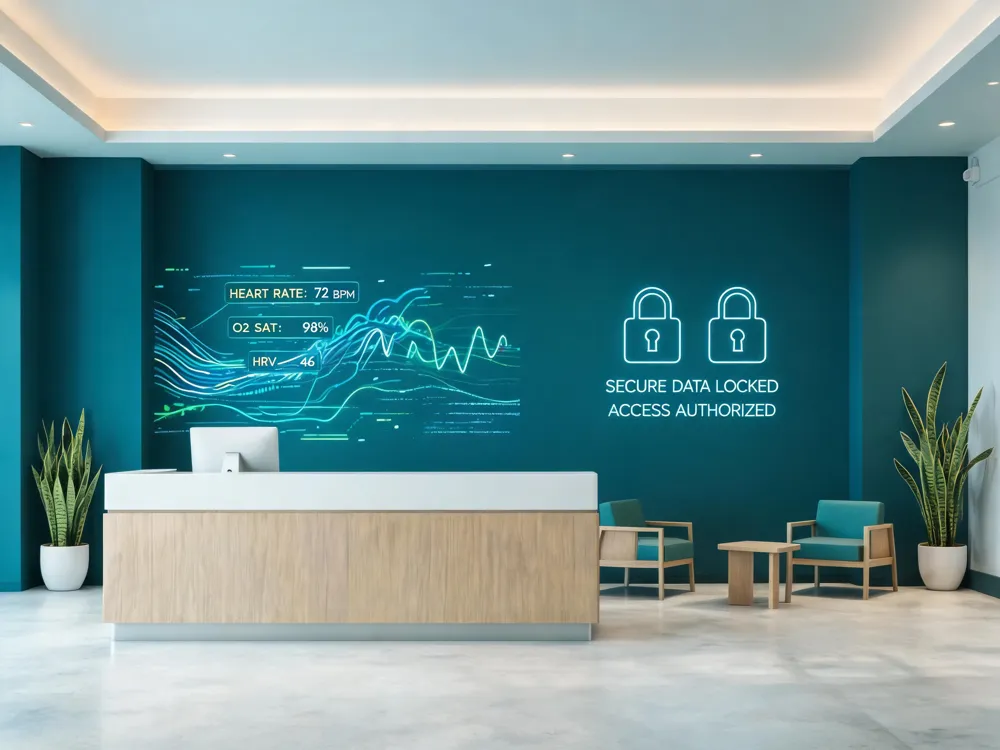 The Medical Institute of Healthy Aging (MIHA) is a bona‑fide, California‑based longevity clinic with locations in Walnut Creek, Napa, and San Francisco. It is listed on the International Peptide Society directory, maintains a publicly‑available privacy policy that complies with CCPA, and is staffed by board‑certified physicians such as Dr. Paul H. Kim and Dr. Rachel Frankel Meek. The clinic’s services—ranging from bio‑identical hormone pellet therapy to genomic‑driven health‑span assessments—require the collection of highly sensitive biometric, hormonal, and genomic data, making robust data protection essential.
Blockchain technology directly addresses the security challenges inherent in handling such longevity data. Its decentralized ledger eliminates a single point of failure, dramatically reducing the risk of the massive breaches that cost the U.S. healthcare sector an average of $9.8 million per incident and, in 2023 alone, compromised over 41 million records. Cryptographic hashing and immutable audit trails ensure data integrity, while permissioned networks (e.g., Hyperledger Fabric or consortium‑based chains) restrict participation to vetted providers, satisfying HIPAA and GDPR requirements. Smart contracts automate consent management, granting patients granular, revocable access to their records and enabling secure, real‑time sharing with authorized clinicians, researchers, or insurers. Off‑chain storage of encrypted health data (often via IPFS) preserves scalability, and blockchain pointers provide verifiable provenance without exposing raw PHI. Collectively, these features lower breach‑related costs, enhance patient trust, and create a trustworthy foundation for the data‑driven, preventive, and personalized interventions that define modern longevity medicine.
The Architectural Shift: From Centralized Silos to Decentralized Trust
 Blockchain secures health records by replacing vulnerable centralized repositories with a distributed, tamper‑proof ledger that stores only cryptographic hashes of patient data. Each block is time‑stamped and linked to the previous block, creating an immutable audit trail that satisfies HIPAA’s integrity and audit‑trail requirements. Permissioned blockchains—common in healthcare—restrict participation to authenticated providers, insurers, and patients, ensuring that only authorized nodes can read or write data. Smart contracts enforce rule‑based access control: a patient’s master key encrypts the off‑chain Electronic Health Record (EHR), while a smart contract verifies consent before releasing the decryption key to a clinician. This architecture eliminates single points of failure, mitigates man‑in‑the‑middle, denial‑of‑service, and Sybil attacks, and provides real‑time traceability of every data access event. Hybrid designs further enhance scalability by storing the bulk of encrypted EHRs in off‑chain repositories such as IPFS, while the blockchain retains hash references for integrity verification. Encryption schemes—AES‑256, ECC, and attribute‑based encryption—protect data at rest and in transit, and multi‑factor authentication plus TLS/SSL protect communication channels. Together, these cryptographic and consensus mechanisms deliver confidentiality, authenticity, and patient‑centric control, enabling secure, interoperable sharing of longevity health records across institutions without compromising regulatory compliance.
Patient as Owner: The Power of Cryptographic Keys and Smart Contracts
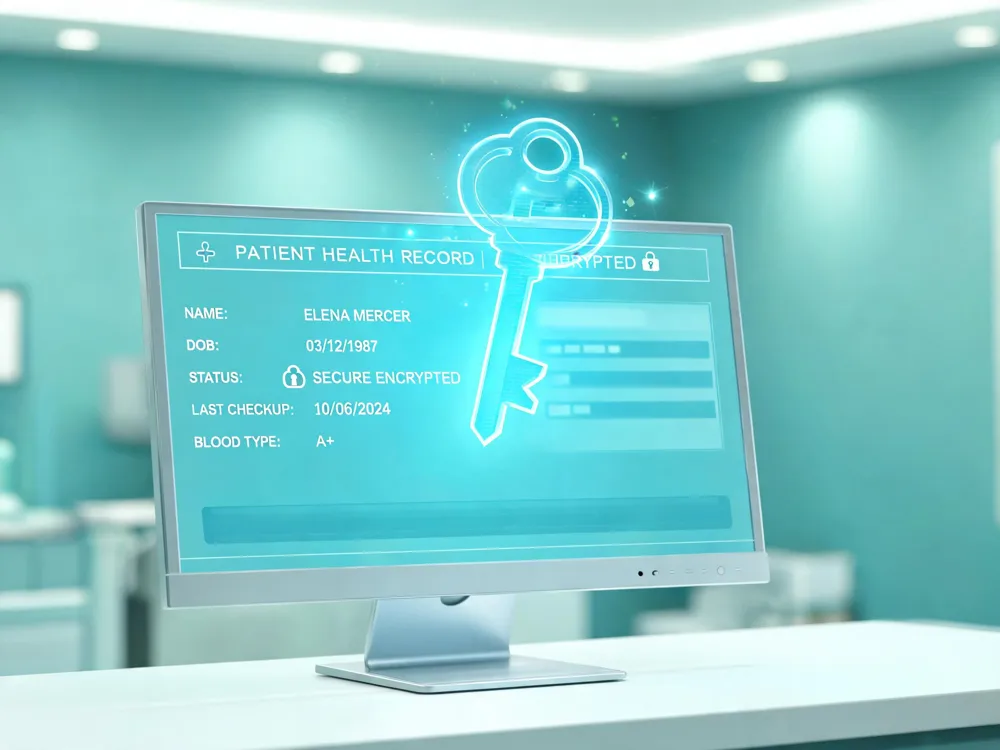 Blockchain brings several concrete benefits to healthcare, especially when patients become the custodians of their own data. First, cryptographic keys give each patient a master credential that unlocks encrypted health records, while the sharing of access via smart contracts, and audit and by contract authorized provider without exposing the raw data. This patient‑centric control reduces the risk of unauthorized access and supports compliance with HIPAA and GDPR because data is stored off‑chain in encrypted form and only hash pointers appear on a permissioned ledger. Second, the immutable audit trail created by every transaction—whether a new lab result, a prescription, or a consent revocation—provides verifiable provenance, mitigating tampering and enabling accurate, real‑time clinical decisions. Third, smart contracts automate consent management and billing, eliminating manual errors and ensuring that only parties with explicit permission can read or write records. Fourth, the decentralized architecture eliminates a single point of failure, protecting against ransomware, DDoS, and other cyber‑attacks that have plagued centralized EHR systems. Finally, by integrating IoMT sensors with blockchain (as demonstrated by EHRGuard), continuous patient‑generated data can be securely streamed to providers, supporting remote monitoring, early detection of chronic conditions, and personalized longevity interventions without compromising privacy.
Real-World Proof: From Academic Pilots to Clinical Implementation
 Blockchain secures health records by combining cryptographic immutability, decentralized consensus, and fine‑grained access controls. Each record is hashed (SHA‑256 or similar) and the hash is anchored on a permissioned ledger, guaranteeing that any tampering is instantly detectable (Secure Sharing of Electronic Medical Records, MDPI). Smart contracts enforce consent‑driven sharing: patients grant or revoke read/write rights via digital keys, and the contract automatically logs every access event, creating a tamper‑evident audit trail that satisfies HIPAA’s integrity and audit requirements (Blockchain Integration for Healthcare Records).
For scalability, sensitive data are stored off‑chain—encrypted in Interplanetary File System (IPFS) or a secure cloud—while only the hash and access policies reside on‑chain (EHRGuard, HealthChain). This hybrid model preserves confidentiality, meets GDPR’s “right to be forgotten” by deleting off‑chain content, and reduces on‑chain storage costs.
Real‑world pilots demonstrate feasibility. The MedRec project at Beth Israel Deaconess Medical Center successfully recorded medication, lab, and vaccination events on a private Hyperledger Fabric network, allowing patients to view a unified, immutable history (MedRec pilot. Patientory’s HIPAA‑compliant platform integrates with Epic and Cerner, using smart contracts for role‑based permissions and cryptographic keys that patients control (Patientory). EHRGuard’s experimental results show higher throughput and lower latency than legacy systems while providing real‑time alerts for abnormal IoMT sensor readings (EHRGuard study).
Together, these deployments illustrate how blockchain can deliver secure, auditable, patient‑centric health records—key for longevity clinics that rely on continuous biomarker monitoring and personalized treatment plans.
A Framework for the Future: The ERHGuard and EHRChain Models
 A secure blockchain framework for healthcare records management systems is a hybrid architecture that combines decentralized, tamper‑proof ledger technology with off‑chain storage to protect patient privacy, ensure data integrity, and meet regulatory requirements such as HIPAA and GDPR. In the EHRGuard model, real‑time health data from Internet of Medical Things (IoMT) sensors are encrypted at the edge and stored in an off‑chain database; only cryptographic hash references are written to a permissioned blockchain, providing an immutable audit trail while keeping large clinical files off‑chain for scalability. Smart contracts enforce fine‑grained access control, allowing patients to grant, revoke, or time‑limit permissions to authorized clinicians, laboratories, or researchers. Consensus is achieved through energy‑efficient mechanisms such as Proof of Authority (PoA) or Practical Byzantine Fault Tolerance (PBFT), which deliver low latency and high throughput suitable for monitoring vital signs, abnormal alerts, and remote patient monitoring (RPM). The EHRChain framework extends this approach by integrating attribute‑based encryption (ABE) and the InterPlanetary File System (IPFS) for decentralized storage of encrypted Electronic Health Records (EHRs). Hashes of the encrypted records are anchored on a Hyperledger Fabric permissioned ledger, guaranteeing traceability and non‑repudiation. Both systems support emergency‑access attributes, multi‑factor authentication, and cryptographic provenance, mitigating attacks such as MITM, DoS, and Sybil. By uniting IoMT data streams, off‑chain encrypted repositories, and permissioned blockchain consensus, these frameworks deliver a secure, interoperable, and patient‑centric solution for the next generation of longevity‑focused health record sharing.
Bridging the Interoperability Gap with Standards and Decentralized Storage
 Blockchain promises to resolve long‑standing challenges in healthcare data exchange, yet its deployment confronts several obstacles.
Challenges:
- Scalability – Storing full Electronic Health Records (EHRs) on a public ledger would overwhelm network capacity; most solutions therefore adopt a hybrid model, anchoring only cryptographic hashes on‑chain while keeping encrypted records in off‑chain repositories such as InterPlanetary File System (IPFS) (EHRChain, HealthChain a framework for preserving health record privacy.
- Regulatory compliance – HIPAA, GDPR, and state privacy laws require strict access control and auditability. Permissioned blockchains (e.g., Hyperledger Fabric, consortium chains) restrict participation to verified entities, but must still implement fine‑grained encryption, attribute‑based access control, and emergency‑access overrides to satisfy legal mandates (EHRGuard, EHRChain a secure blockchain-based e‑health records storage and sharing protocol).
- Interoperability – Fragmented legacy systems lack a common data model. Integrating HL7 FHIR standards into blockchain smart contracts enables standardized payloads, facilitating seamless exchange across hospitals, labs, and wearables (EHRGuard, EHRChain EHRChain IPFS ABE framework).
Opportunities:
- Data integrity and auditability – Immutable hashes on the ledger provide tamper‑evident proof of record creation and modification, supporting HIPAA’s integrity rule and reducing fraud.
- Patient‑centric control – Smart contracts empower patients to grant, revoke, or time‑limit access to their health data, fostering trust and compliance with consent regulations (EHRGuard, MedRec blockchain for medical records).
- Secure IoMT integration – Real‑time sensor streams from wearables can be hashed and stored on‑chain, enabling remote patient monitoring while preserving privacy (EHRGuard).
- Cost savings – Decentralized storage eliminates costly single‑point‑of‑failure infrastructures and can lower breach‑related expenses, projected at up to $100 billion annually for the industry (Industry forecasts).
By coupling permissioned blockchain networks with off‑chain encrypted storage and HL7 FHIR/IPFS standards, the healthcare ecosystem can achieve scalable, compliant, and patient‑driven interoperability, turning blockchain’s theoretical benefits into practical, longitudinal health‑record solutions.
Overcoming the Hurdles: Scalability, Compliance, and Emergency Access
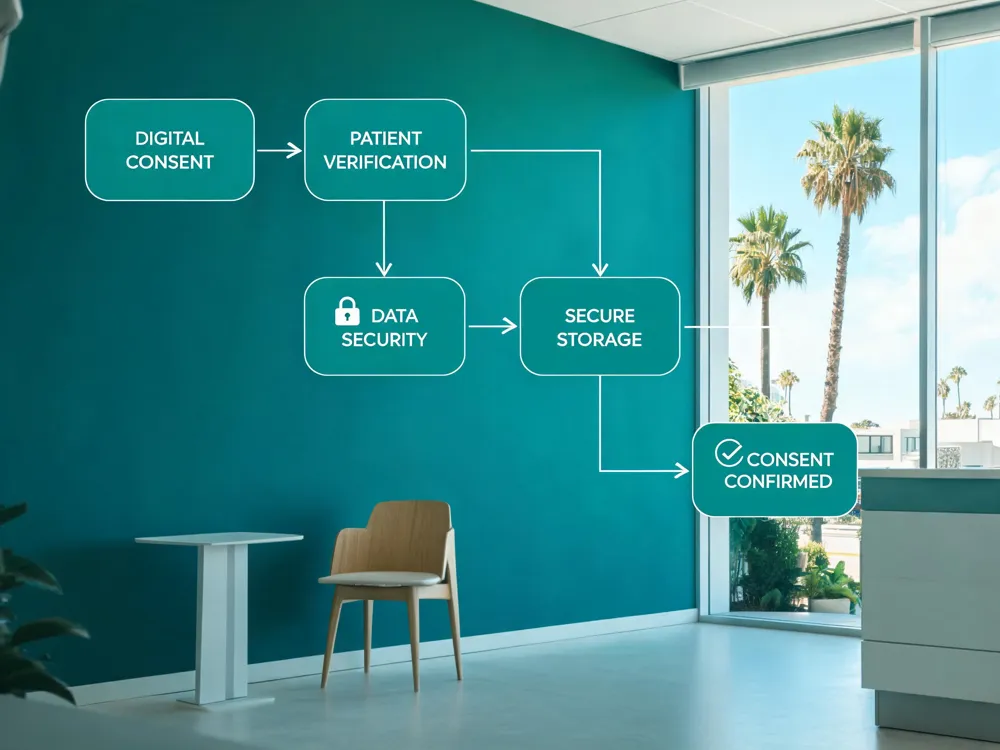 Blockchain promises a transformative leap for healthcare by delivering immutable audit trails, cryptographic privacy, and patient‑centric consent management. Yet its adoption is constrained by three intertwined challenges.
Scalability – Public blockchains suffer from high latency and limited throughput, while even permissioned networks can become bottlenecked when thousands of IoMT sensors transmit vitals in real time. Hybrid designs such as EHRGuard, EHRChain, and Healthchain mitigate this by storing only cryptographic hashes on‑chain and encrypting the bulk of the data off‑chain (e.g., IPFS or secure cloud databases). Techniques like Proof‑of‑Authority, Practical Byzantine Fault Tolerance, and side‑chain sharding further reduce transaction costs and keep latency under a few hundred milliseconds, making continuous remote patient monitoring feasible.
Regulatory compliance – HIPAA, GDPR, and emerging state privacy laws demand data minimization, the right to be forgotten, and strict access controls. Because blockchains are immutable, the common solution is a hash‑pointer model: the true health record lives off‑chain, encrypted and revocable, while the on‑chain ledger records only a verifiable reference. Smart contracts enforce role‑based permissions, and attribute‑based encryption enables fine‑grained consent that can be withdrawn without altering the immutable ledger.
Emergency access – In life‑threatening situations, strict permissioning can block clinicians from retrieving critical data. Systems such as EHRGuard embed a time‑bound "EmergencyAccess" attribute that, when triggered by a multi‑factor authenticated request, temporarily elevates a node’s privileges and logs the event on the ledger, preserving accountability while ensuring rapid data delivery.
By addressing scalability with off‑chain storage, reconciling immutability with privacy through cryptographic pointers, and designing auditable emergency access workflows, blockchain can unlock secure, interoperable, and patient‑empowered health records for longevity clinics and beyond.
The Business Case: Saving Billions and Reducing Fraud in a $19 Billion Market
 Blockchain delivers a suite of concrete financial and operational benefits that make it a compelling investment for the longevity‑focused health‑care market. First, the technology’s immutable ledger eliminates the need for costly post‑breach remediation: the average data‑breach cost in health care exceeds $9.8 million per incident, and the sector spends roughly $100 billion annually on breach mitigation alone. By storing only cryptographic hashes of electronic health records (EHRs) on a permissioned chain while keeping encrypted data off‑chain, providers achieve tamper‑proof provenance without the storage overhead of full‑record replication.
Second, blockchain‑enabled smart contracts automate consent management, claims adjudication, and reimbursement workflows, cutting manual processing time and reducing human error. This automation translates into measurable fraud reduction—studies cite up to a 10 % drop in erroneous claim payments when blockchain audit trails replace legacy spreadsheets.
Third, decentralized identifiers (DIDs) and verifiable credentials give patients direct control over who accesses their longevity health data, improving compliance with HIPAA and GDPR while fostering trust. The transparent, auditable transaction history also satisfies regulatory reporting requirements without additional tooling.
Together, these efficiencies unlock a market projected to reach $19 billion by 2025, positioning blockchain as a cost‑saving, fraud‑mitigating backbone for personalized, proactive longevity care.
Democratizing Research and Incentivizing Healthy Living with Web3
 Web3 technologies—decentralized identifiers (DIDs), verifiable credentials, and token‑based incentive models—are reshaping longevity research and preventive health. Decentralized autonomous organizations (DAOs) such as Longevity DAO create a shared, transparent funding pool that bypasses traditional venture capital, allowing researchers to receive direct community support for studies on aging biomarkers, telomere activation, or peptide therapies. Smart contracts enforce immutable audit trails, guaranteeing that every contribution, data set, or clinical‑trial result is verifiable and tamper‑proof.
Simultaneously, Health‑to‑Earn (H2E) and Move‑to‑Earn (M2E) token schemes reward individuals for measurable wellness activities—continuous glucose monitoring, heart‑rate variability tracking, or adherence to personalized hormone‑balancing regimens. Tokens can be exchanged for telemedicine consultations, premium laboratory panels, or access to anonymized research datasets, thereby aligning patient incentives with scientific discovery. Because token rewards are programmable, they can be conditioned on verified biometric thresholds (e.g., sustained aerobic activity or optimal sleep quality), ensuring that only authentic health improvements trigger payouts.
By integrating blockchain‑secured IoMT data, off‑chain storage (IPFS or encrypted cloud), and permissioned smart‑contract access control, longevity clinics can safely share longitudinal health records with researchers while preserving patient privacy under HIPAA and GDPR. This hybrid architecture not only accelerates data‑driven personalized medicine but also democratizes the research ecosystem—empowering patients to become both data contributors and beneficiaries of the next wave of anti‑aging therapies.
The View from the Clinic: Data-Driven Longevity at the Medical Institute of Healthy Aging
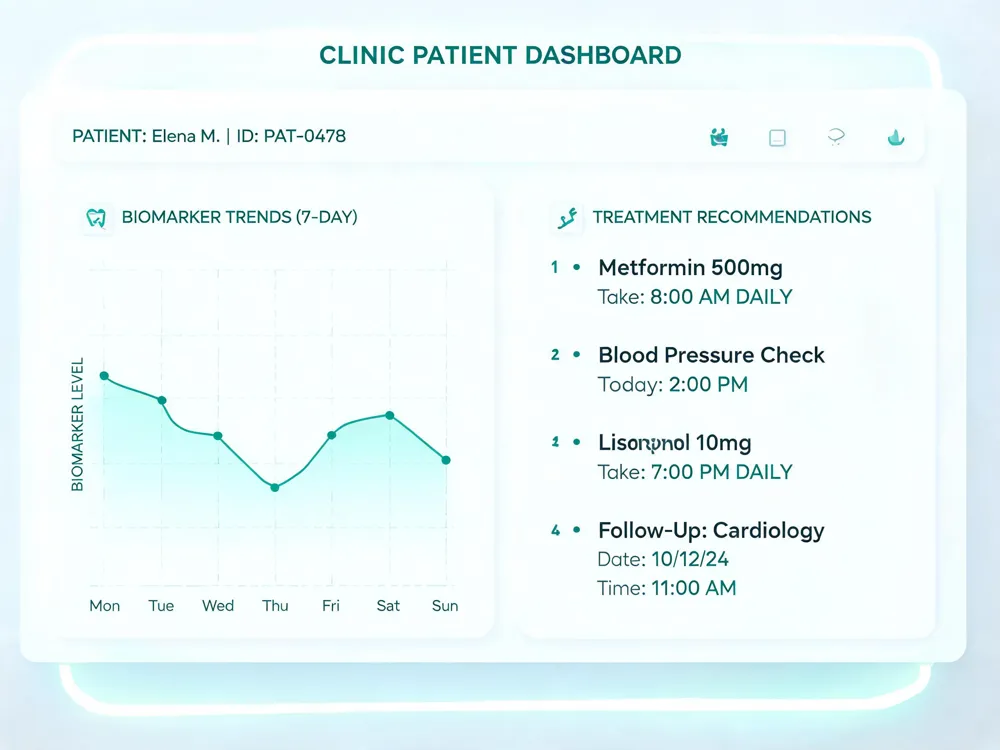
Is the Medical Institute of Healthy Aging a legitimate organization?
The Medical Institute of Healthy Aging (MIHA) is a California-based clinic founded in 2007 with locations in Walnut Creek, Napa, and San Francisco. Led by board-certified physician Dr. Paul H. Kim and a team of functional medicine experts, the clinic specializes in personalized, proactive longevity and health optimization services.
MIHA practices Valengerontology, a proprietary, data-driven approach to extending healthspan. This methodology relies on advanced diagnostics, including biological age testing, biomarker analysis, and hormonal and inflammatory marker assessments.
Based on diagnostic data, the clinic provides state-of-the-art therapies such as IV treatments (e.g., NAD+, glutathione), peptide therapies, hormone and regenerative treatments, and stem cell options. It also offers virtual Hormone & Weight Programs and has a client portal for wearable integration.
MIHA maintains a commitment to patient privacy. It states that patient data is shared only on a strictly confidential basis with vetted partners, and that personal data is never sold or publicly disclosed. This approach aligns with the growing need for secure management of sensitive longevity health records.
Forging the Path: A Practical Roadmap for Secure Implementation
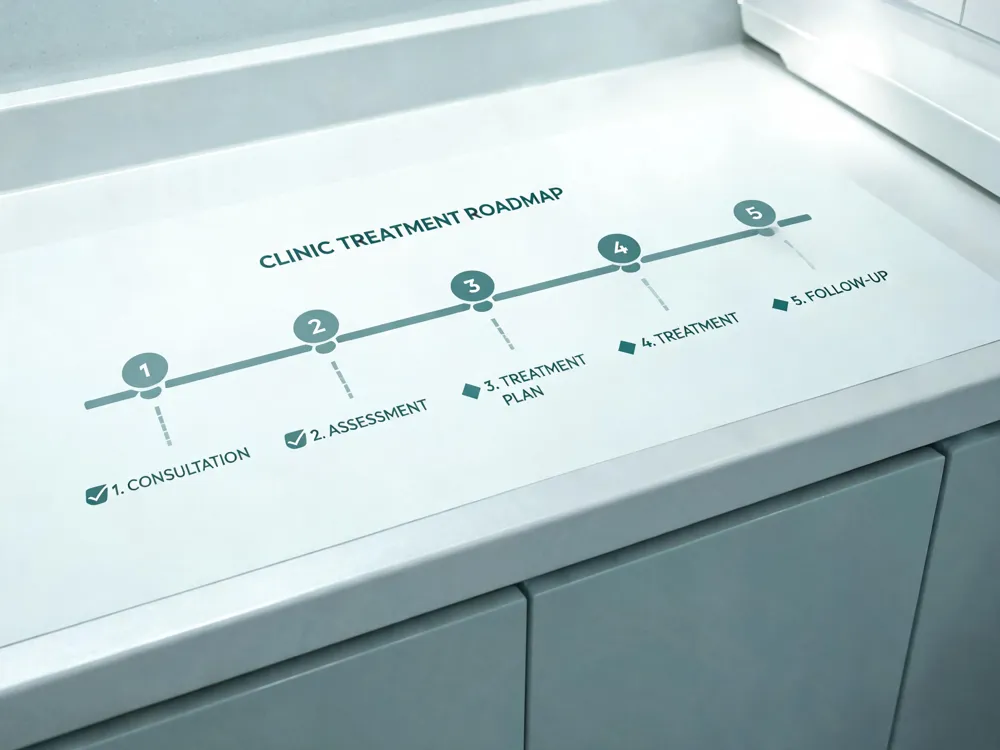 A secure blockchain framework for healthcare‑records management must combine a permissioned ledger, hybrid on‑chain/off‑chain storage, and robust cryptography to meet HIPAA, GDPR and emerging state‑level regulations. First, select a consortium blockchain (e.g., Hyperledger Fabric or a PoA‑based network) that limits participation to verified hospitals, labs and longevity clinics such as the California Longevity & Vitality Medical Institute. Use a lightweight consensus (PBFT or PoA) to keep latency low for real‑time remote‑patient‑monitoring data from IoMT wearables while preserving energy efficiency. Second, store the raw Electronic Health Records (EHRs) in an encrypted off‑chain repository—InterPlanetary File System (IPFS) or a HIPAA‑compliant cloud— and anchor only cryptographic hashes on the ledger. Apply attribute‑based encryption (ABE) or the Improved Key Generation Scheme of RSA (IKGSR) to enforce fine‑grained, role‑based access control, allowing patients to grant or revoke consent via smart contracts. Third, integrate standard health‑information models (FHIR/HL7) through a translation layer so that existing EMR systems can read and write without disruption. Fourth, implement a multi‑factor authentication flow and TLS/SSL tunnels to mitigate MITM and replay attacks; rate‑limiting and IDS protect against DoS and Sybil threats. Finally, conduct a phased rollout: prototype (MVP) cost $80‑150 k, pilot with 100‑500 concurrent users, audit compliance with SOC 2/HIPAA, then scale to full‑clinic deployment, continuously monitoring throughput, latency and energy consumption. This roadmap delivers a tamper‑proof, patient‑centric record ecosystem that supports personalized preventive medicine and longevity‑focused interventions.
The Immutable Healthspan: A Trustworthy Future for Longevity Medicine
The convergence of blockchain and the Internet of Medical Things (IoMT) creates an infrastructure for longevity medicine. By storing only cryptographic hashes of encrypted health data on a permissioned ledger, systems such as EHRGuard guarantee integrity, confidentiality, and auditability while off‑chain storage handles large genomic, hormonal, and biomarker files. Smart contracts automate consent, allowing patients at the California Longevity & Vitality Medical Institute to grant time‑limited access to clinicians, researchers, or insurers without exposing raw data. This immutable framework not only meets HIPAA and GDPR standards but also supports remote monitoring, interventions, and secure data exchange across the longevity ecosystem.