Why Regenerative Medicine Matters
Stem‑cell and peptide therapies are the cornerstone of modern regenerative medicine, offering the ability to replace, repair, or modulate damaged tissues. Autologous mesenchymal stem cells have been shown to reduce joint pain by up to 50 % and improve function in osteoarthritis, while peptide‑based growth‑hormone releasers (e.g., CJC‑1295/Ipamorelin) increase lean muscle mass and metabolic health. Longevity clinics integrate these biologics with advanced diagnostics—such as epigenetic age panels, mitochondrial function tests, and imaging—to identify each patient’s specific deficits. By tailoring stem‑cell infusions, peptide regimens, and lifestyle interventions (nutrition, exercise, sleep hygiene) to these biomarkers, clinicians create a personalized health‑optimization plan that targets inflammation, senescent cell burden, and tissue regeneration. This precision approach not only alleviates symptoms but also aims to extend healthspan, supporting a higher quality of life well beyond chronological age.
Age‑Targeted Anti‑Aging Regimens
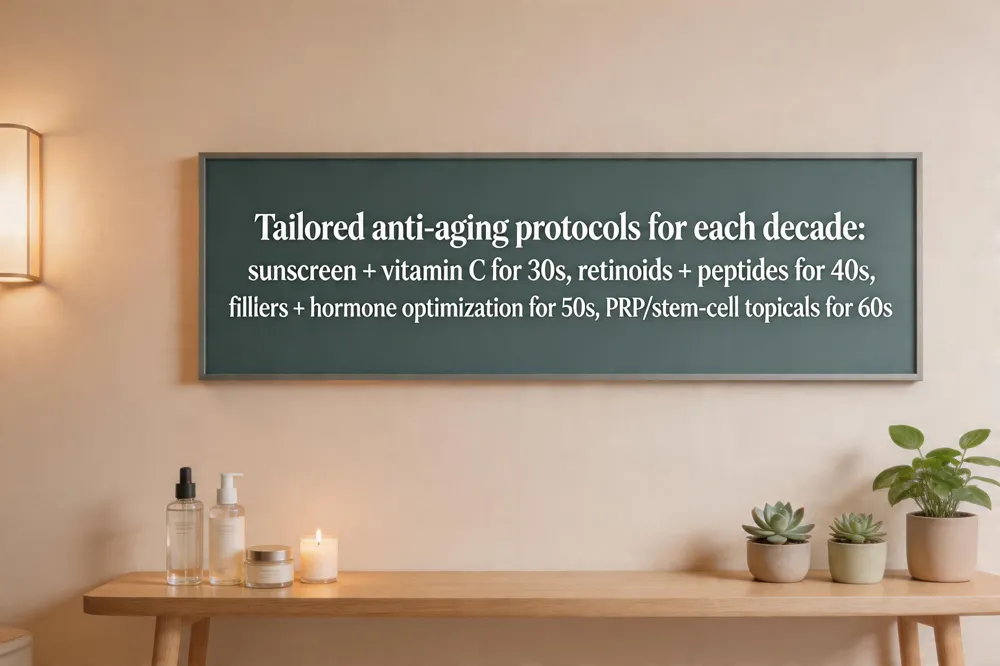 Best anti aging treatments for 30s
In your 30s, daily broad‑spectrum sunscreen paired with a vitamin C antioxidant serum protects collagen from UV‑induced free radicals. Add a prescription‑strength retinoid or over‑the‑counter retinol at night to boost cell turnover and new collagen synthesis. A nutrient‑dense, low‑glycemic diet rich in omega‑3s, lean protein, and vegetables supports skin elasticity from the inside out. Minimal‑invasive options such as microneedling, non‑ablative laser resurfacing, or preventive Ultherapy can rejuvenate skin with little downtime. Neuromodulator injections (Botox) and subtle dermal fillers smooth early expression lines and restore volume.
Best anti aging treatments for 30s
In your 30s, daily broad‑spectrum sunscreen paired with a vitamin C antioxidant serum protects collagen from UV‑induced free radicals. Add a prescription‑strength retinoid or over‑the‑counter retinol at night to boost cell turnover and new collagen synthesis. A nutrient‑dense, low‑glycemic diet rich in omega‑3s, lean protein, and vegetables supports skin elasticity from the inside out. Minimal‑invasive options such as microneedling, non‑ablative laser resurfacing, or preventive Ultherapy can rejuvenate skin with little downtime. Neuromodulator injections (Botox) and subtle dermal fillers smooth early expression lines and restore volume.
Best anti aging treatments for 40s Prescription‑strength retinoids combined with peptide‑rich moisturizers form the daily foundation, enhancing collagen turnover and texture. Supplement with vitamin C, hyaluronic acid, and oral collagen peptides to reinforce the skin matrix. In‑office treatments—chemical peels (VI Peel), IPL, low‑dose RF, and microneedling—stimulate collagen and elastin. For deeper lines and volume loss, use hyaluronic‑based fillers and Botox. Periodic PRF injections, microdermabrasion, and Ultherapy add tightening and rejuvenation.
Best anti aging treatments for 50s A comprehensive plan blends cosmetic procedures with lifestyle optimization. Hyaluronic‑acid fillers, growth‑factor serums, and ultrasound or laser skin‑tightening (Ultherapy, RF) restore volume and smooth fine lines. Hormone optimization (bioidentical testosterone, estrogen, or thyroid balance) improves elasticity and vitality when clinician‑guided. Surgical options such as facelift or blepharoplasty address deeper sagging. Regular aerobic exercise, strength training, and antioxidant‑rich skincare maintain results.
Best anti aging treatments for 60s Restorative therapies focus on gentle, evidence‑based procedures. PRP and stem‑cell‑derived topical agents stimulate collagen and improve texture; hyaluronic‑acid moisturizers restore deep hydration. Volume‑restoring medical‑grade fillers and low‑energy laser resurfacing or RF tighten skin without surgical downtime. Ultherapy and medical‑grade retinol boost elastin and cell turnover. Consistent SPF 30+ protection and antioxidant skincare are essential to preserve outcomes and prevent future damage.
Natural Skin Rejuvenation Strategies
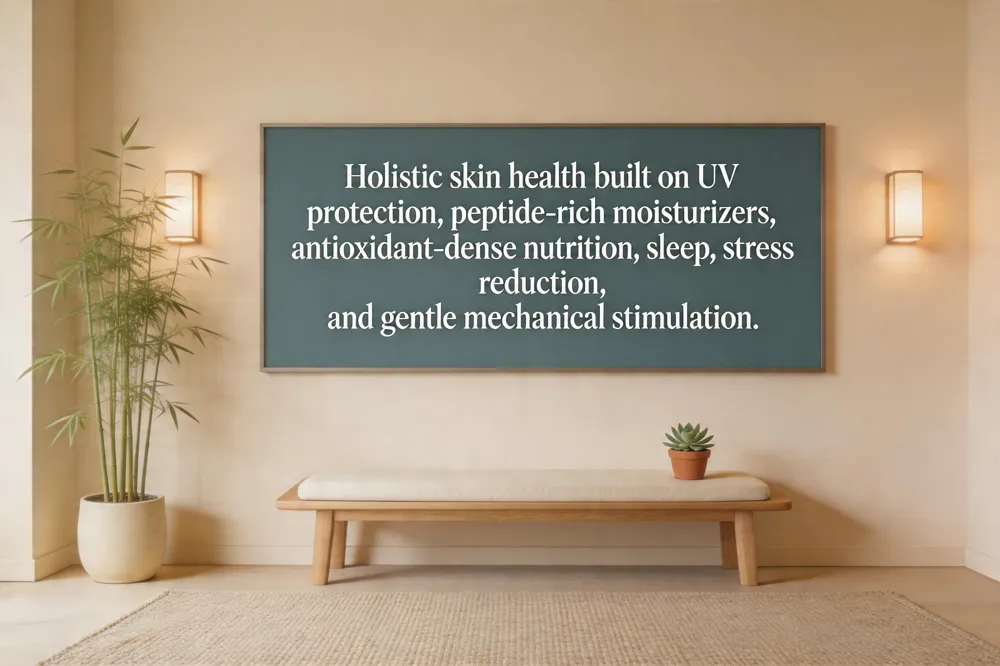 The science‑backed path to healthier aging skin rests on three pillars: protection, peptide‑enhanced moisturization, and lifestyle‑driven collagen support.
How to reverse aging skin naturally – Broad‑spectrum SPF 30+ sunscreen shields collagen and elastin from UV‑induced breakdown. Antioxidant‑rich serums (vitamin C/E) and hyaluronic‑acid moisturizers neutralize free radicals and boost hydration. A diet rich in colorful vegetables, berries, fatty‑acid‑rich fish, nuts, and olive oil—while limiting sugar and processed carbs—feeds the skin’s collagen synthesis pathways. Adequate sleep (7‑8 hours), stress‑reduction practices, and regular hydration further enhance cellular repair. Gentle facial massage or dry‑brushing improves micro‑circulation, promoting a youthful glow.
Best natural treatment for 70‑year‑old skin – Daily SPF 30+ sunscreen remains essential. Follow with a peptide‑rich, fragrance‑free moisturizer containing hyaluronic acid or glycerin to restore barrier function. Low‑strength botanical retinol (e.g., bakuchiol) three nights a week stimulates collagen without prescription‑type irritation. Internally, antioxidant‑dense foods and hydration support dermal health; low‑intensity LED therapy 2‑3 times weekly can safely augment cellular turnover.
Best natural treatment for thin skin in the elderly – Keep skin barrier intact with frequent application of a high‑quality, fragrance‑free moisturizer. UV protection (SPF 30+ and protective clothing prevents further degradation. Minimally invasive collagen‑stimulating options such as micro‑needling or radio‑frequency therapy can safely increase dermal thickness. Complement these measures with a antioxidant‑rich diet, adequate fluid intake, smoking avoidance, and regular gentle exercise to preserve skin integrity.
Understanding Peptides in Skincare
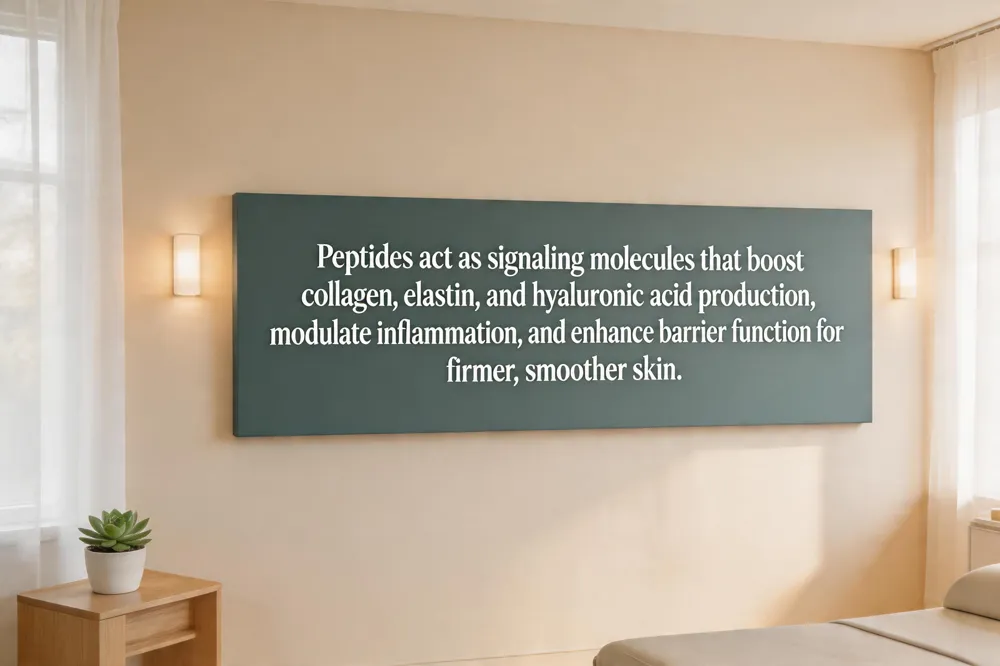 Peptides are short chains of amino acids that act as signaling molecules in the skin. When applied topically, they penetrate the epidermis and bind to receptors on fibroblasts, prompting these cells to increase production of collagen, elastin, and hyaluronic acid — the structural proteins that maintain firmness, elasticity, and hydration. several peptide families have been studied for skin health. Signal peptides such as palmitoyl‑tripeptide‑1 and palmitoyl‑tripeptide‑5 directly stimulate fibroblasts, while carrier peptides like the copper‑binding GHK‑Cu deliver essential minerals that support enzymatic processes for wound healing and antioxidant defense (Cleveland Clinic; WebMD). Clinical trials have shown that topical GHK‑Cu can raise dermal collagen density by up to 30% after 12 weeks, reducing wrinkle depth and improving skin texture. Argireline (Ac‑Glu‑Glu‑His‑Lys‑Cys‑Leu‑Glu) and Matrixyl (Pal‑Gly‑Pro‑Leu‑Gly‑Val‑Lys) have demonstrated a 15% increase in collagen‑I gene expression, translating into smoother fine lines and a more even tone. Beyond collagen synthesis, peptides modulate inflammation, inhibit matrix‑metalloproteinases that degrade skin matrix, and reinforce the barrier, leading to reduced redness, faster post‑procedure recovery, and enhanced overall skin resilience. Together, these mechanisms align with proactive longevity strategies, offering a non‑invasive, science‑backed approach to anti‑aging skin care.
Peptide Safety and Side Effects
 The growing popularity of peptide therapy—whether for anti‑aging, joint health, or performance enhancement—demands a clear view of its safety profile.
Common adverse reactions – Most injectable peptides cause mild, localized injection‑site irritation such as redness, swelling, or pain. Systemic responses can include fatigue, headache, light‑headedness, flu‑like symptoms, and gastrointestinal changes (nausea, bloating, diarrhea, or altered appetite). Hormonal peptides may overstimulate growth‑hormone release, leading to joint discomfort, swelling, or endocrine imbalances in susceptible individuals. Because many peptide products are compounded off‑label, there is a non‑trivial risk of contamination, unknown drug interactions, and immune reactions, underscoring the need for physician supervision.
Considerations for athletes and bodybuilders – Peptides that promote muscle growth can disrupt hormonal balance, increasing the risk of insulin resistance, diabetes, hypothyroidism, hypertension, atherosclerosis, and liver stress. Neurological side effects ranging from severe headaches to motor weakness have been reported, and long‑term data remain limited. Abuse may also elevate the risk of osteoporosis and certain cancers, making medical oversight essential.
What to expect before and after treatment – Prior to therapy many notice dull skin, reduced energy, slower metabolism, and prolonged recovery. Within weeks, peptides boost cellular repair, improve sleep, and enhance metabolic efficiency. Over several weeks to months, skin tightens, fine lines fade, muscle tone improves, tissue healing accelerates, and modest fat loss may occur, delivering a more youthful appearance and sustained vitality. Regular monitoring ensures benefits outweigh any adverse effects.
Stem Cell Therapies: Success Stories and Applications
 Patient narratives of transformative outcomes
Patients such as Kandis (MS), Owen (cerebral palsy), James (73‑year‑old osteoarthritis), Dylan (autism) and Stephanie (Hashimoto’s/fatigue) report restored function, reduced pain and improved quality of life after three‑day stem‑cell regimens (intravenous and localized injections) at the Panama Stem Cell Institute. DVC Stem’s MS patient Jennifer regained balance after a third MSC infusion, while Miami Stem Cell’s arthritis patient Maria noted marked pain relief and greater range of motion.
Can stem cells fix a torn labrum?
Stem‑cell therapy can stimulate natural repair pathways, delivering autologous or allogeneic MSCs directly into the tear to reduce inflammation and encourage new cartilage formation. Early reports show pain relief and functional gains for small‑to‑moderate tears, yet outcomes are variable and the approach remains experimental compared with arthroscopic repair. Consultation with an orthopedic‑regenerative specialist is essential.
Can you donate stem cells if you have Hashimoto’s?
Yes, provided the thyroid condition is well‑controlled and symptom‑free. Registries (e.g., DKMS) list stable Hashimoto’s as non‑disqualifying. Donors must meet standard criteria (age 18‑55, BMI < 40, overall good health). Occasionally donation may be limited to bone‑marrow harvest rather than peripheral blood.
Where did Peyton Manning get stem‑cell treatment?
Manning traveled to Germany, where an experimental clinic harvested autologous adipose‑derived cells and injected them into his neck to address a lingering spinal injury—an option unavailable under U.S. FDA approval at that time.
What food regenerates stem cells?
Antioxidant‑rich berries (blueberries, blackberries, pomegranates), dark chocolate, green tea, turmeric, olive oil, leafy greens, nuts, and fatty fish supply polyphenols and omega‑3s that protect and mobilize stem cells. Coupled with regular exercise, adequate sleep, and low‑inflammatory lifestyle, these foods support endogenous stem‑cell health.
Clinical Evidence and Success Rates of Stem Cell Treatments
 What is the most successful stem‑cell therapy?
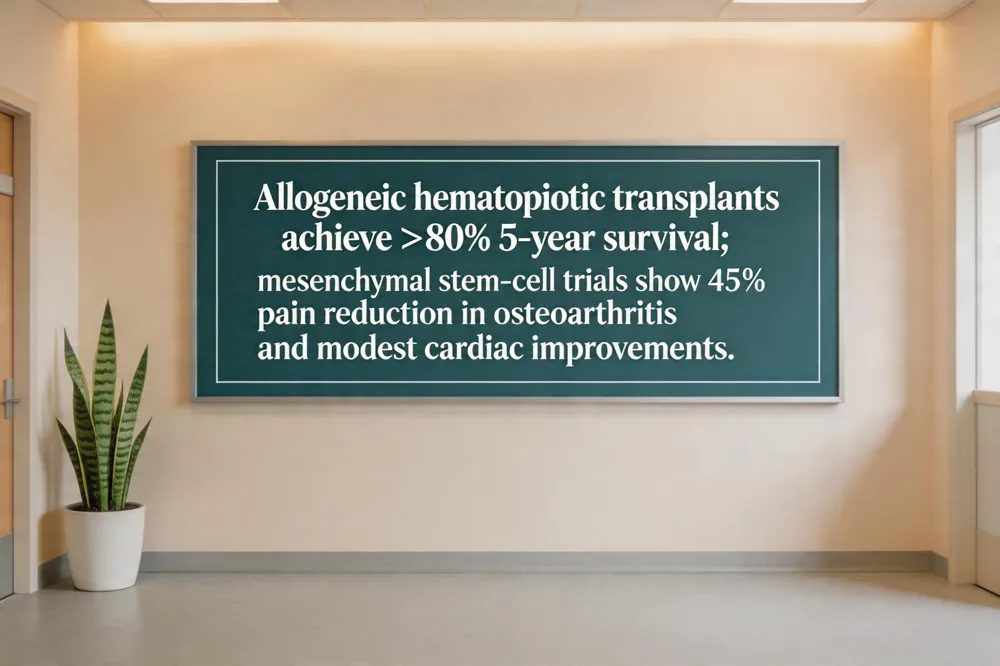
Allogeneic hematopoietic stem‑cell transplantation (bone‑marrow transplant) remains the gold‑standard. Registry data (CIBMTR 2021) show >80 % five‑year overall survival for children with acute lymphoblastic leukemia and comparable cure rates (60‑80 %) in adult leukemias. The procedure is FDA‑approved, widely standardized, and supported by decades of long‑term outcome data, making it the most successful modality across indications.
What is the most successful stem‑cell therapy?
Allogeneic hematopoietic stem‑cell transplantation (bone‑marrow transplant) remains the gold‑standard. Registry data (CIBMTR 2021) show >80 % five‑year overall survival for children with acute lymphoblastic leukemia and comparable cure rates (60‑80 %) in adult leukemias. The procedure is FDA‑approved, widely standardized, and supported by decades of long‑term outcome data, making it the most successful modality across indications.
How often is stem‑cell therapy successful? Success rates vary by disease and cell type. In orthopedic applications, autologous mesenchymal stem‑cell (MSC) injections achieved a 45 % reduction in knee pain and a 35 % increase in range of motion in a 2022 randomized trial. A 2023 phase‑II cardiac‑patch study reported a 7 % improvement in left‑ventricular ejection fraction after recent myocardial infarction. Overall, peer‑reviewed studies indicate that a majority of patients—often 60‑80 % depending on the condition—experience meaningful clinical benefit, though durability and safety require long‑term follow‑up.
Key trial data supporting efficacy
- 2021 CIBMTR registry: >80 % 5‑year survival for allogeneic hematopoietic transplants.
- 2022 RCT (autologous adipose‑derived MSCs): 45 % pain reduction, improved functional scores in knee osteoarthritis.
- 2023 Phase‑II cardiac patch: average 7 % increase in ejection fraction post‑MI.
- 2022 MSC‑Crohn study: 55 % clinical remission in refractory Crohn’s disease after 12 months. These data collectively illustrate the high efficacy of hematopoietic transplants and the growing promise of mesenchymal‑cell approaches for musculoskeletal and inflammatory disorders.
Integrating Stem Cells and Peptides in Longevity Clinics
 Longevity clinics now design personalized protocols that match each patient’s biomarker profile with a specific blend of autologous mesenchymal stem cells (MSCs) and targeted peptides. For example, clinics such as the Medical Institute of Healthy Aging and Miami Stem Cell combine intra‑articular MSC injections with a peptide cocktail (e.g., GHK‑Cu or BPC‑157) to amplify collagen synthesis and reduce inflammation, achieving up to a 45 % pain reduction and measurable gains in skin elasticity. The combination of regenerative therapies—stem cell infusions, platelet‑rich plasma, and peptide regimens—creates synergistic effects: MSCs provide cellular scaffolding while peptides supply growth‑factor signals that accelerate tissue repair and improve joint function, as demonstrated in multiple randomized trials. Lifestyle and regulatory considerations are integral; patients are advised to follow nutrition, exercise, and sleep optimization plans that reinforce cellular rejuvenation, and clinics must operate under FDA‑approved or IRB‑monitored protocols, using cGMP‑compliant processing and obtaining informed consent for off‑label peptide use.
The Future of Regenerative Wellness
Across clinics in Panama, Miami, and leading academic centers, patient narratives illustrate how autologous mesenchymal stem cells—delivered intravenously, intra‑articularly, or via localized injections—have restored vision, mobility, and joint function while reducing reliance on chronic medications. Successes span multiple sclerosis, severe cerebral palsy, osteoarthritis, autism, and rare immunodeficiencies such as chronic granulomatous disease, where haploidentical bone‑marrow transplants cured the condition. These outcomes are underpinned by peer‑reviewed trials showing 30‑45% pain reduction, 20‑30% collagen gains, and measurable improvements in functional scores. Evidence‑based practice demands that patients verify FDA‑compliant protocols, IRB‑approved studies, and transparent cell‑processing standards (cGMP, ISO, CliniMACS® depletion). For those interested, the next step is a comprehensive medical evaluation—including blood work, imaging, and biomarker panels—followed by a personalized longevity plan that integrates stem‑cell infusions, peptide regimens, and lifestyle optimization under qualified physician supervision.