Why Peptides Matter for Cellular Health
Therapeutic peptides are short chains of amino acids—typically 2–50 residues (500‑5,000 Da)—that act as highly specific signaling molecules by binding cell‑surface receptors with nanomolar affinity. The field’s first landmark was insulin, a 51‑amino‑acid hormone isolated in 1921 and marketed in 1923, proving that a peptide could replace a deficient endogenous protein. Since the turn of the millennium, the approval of GLP‑1 analogues such as exenatide, liraglutide and semaglutide has expanded the market to over 80 peptide drugs worldwide and generated $70 billion in sales by 2019. Compared with small‑molecule drugs, peptides offer superior target specificity, low immunogenicity and the ability to disrupt protein‑protein interactions that were previously “undruggable.” Nonetheless, their clinical utility is limited by poor membrane permeability and rapid proteolysis, which necessitates chemical strategies—D‑amino‑acid substitution, cyclization, PEGylation, or delivery vectors—to enhance stability and bioavailability.
Peptide Benefits and Safety Profile
 Peptides are short chains of amino acids that can be readily absorbed and directed to specific tissues, allowing precise modulation of physiological pathways. They stimulate collagen and elastin synthesis, improving skin firmness, reducing wrinkles, and supporting joint health. Copper‑GHK‑Cu and hydrolyzed collagen enhance wound healing and reduce inflammation, while muscle‑targeting peptides boost growth‑hormone secretion, increase strength, and accelerate post‑exercise recovery. Overall, peptides provide a versatile, low‑risk approach to anti‑aging, skin rejuvenation, and systemic optimization.
Common side‑effects are generally mild and include injection‑site reactions (pain, redness, swelling) and occasional systemic symptoms such as fatigue, headache, gastrointestinal upset, or transient hormonal shifts. Unregulated or research‑grade preparations pose higher risks of contamination, allergic reactions, and unknown long‑term effects, underscoring the need for clinician oversight.
In bodybuilding, peptide use can disturb hormonal balance, leading to excess growth‑hormone levels, water retention, joint pain, insulin resistance, and cardiovascular strain. Injection‑site infections and immune disturbances are also reported, particularly with non‑FDA‑approved compounds.
Anti‑aging peptide regimens are typically well‑tolerated but may cause mild skin irritation, injection pain, or systemic symptoms such as nausea and appetite changes. Hormonal imbalances and joint swelling can occur if dosing is not carefully monitored. Professional medical supervision and high‑quality, FDA‑compliant formulations are essential to minimize risks.
Anti‑Aging Peptides for Weight Management
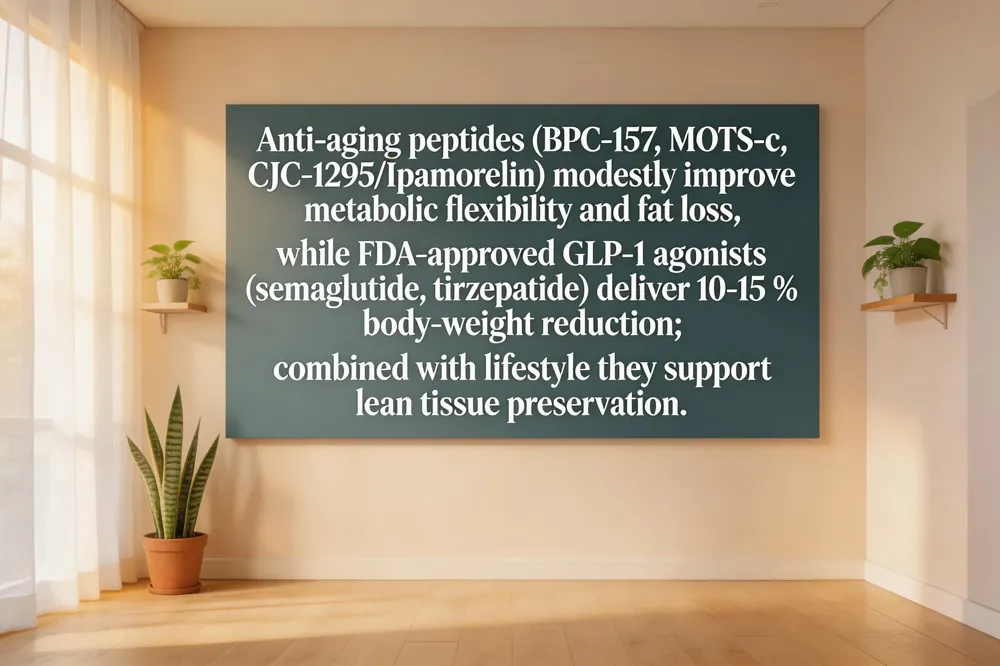 Anti aging peptide treatments for weight loss
Therapeutic peptides that address cellular repair and mitochondrial function—such as BPC‑157, MOTS‑c, and growth‑hormone‑releasing peptides (CJC‑1295/Ipamorelin)—can modestly improve metabolic flexibility and support modest fat loss while preserving lean tissue. The most clinically proven weight‑loss agents are FDA‑approved GLP‑1 receptor agonists (semaglutide, tirzepatide, liraglutide). By slowing gastric emptying, enhancing insulin sensitivity and promoting satiety, they deliver 10‑15 % body‑weight reductions when paired with diet and exercise. Experimental anti‑aging peptides complement these effects by reducing inflammation, improving gut barrier integrity, and supporting mitochondrial biogenesis.
Peptide benefits for weight loss
GLP‑1 agonists stabilize blood‑sugar, increase fullness and curb caloric intake. Growth‑hormone‑releasing peptides boost endogenous GH, enhancing lipolysis and preserving muscle during caloric restriction. Fat‑targeting peptides such as AOD‑9604 directly stimulate lipolysis. Some newer peptides induce "browning" of white adipose tissue, raising basal metabolic rate. Together they provide a multi‑factorial approach that synergizes with lifestyle interventions.
Best oral peptides for anti‑aging
Oral semaglutide (Wegovy®/Zepbound®) and tirzepatide (Mounjaro®) are the only FDA‑approved oral peptides with robust data on metabolic health, modest weight loss and reduced inflammatory markers—key drivers of biological aging. Experimental oral peptides (BPC‑157, thymosin α‑1, CJC‑1295) lack sufficient human safety data and are not FDA‑approved for any indication; clinicians should prioritize approved agents and ensure medical supervision.
Best anti‑aging peptide treatments
Injectable copper peptide GHK‑Cu and acetyl‑hexapeptide‑8 (Argireline) are top choices for skin rejuvenation, stimulating collagen, elastin and dermal remodeling. Topical serums containing palmitoyl‑pentapeptide‑4 or Matrixyl also enhance matrix protein synthesis. Systemic agents such as epithalamin and thymosin α‑1 show promise for cellular rejuvenation and immune modulation when used under physician guidance.
Best anti‑aging peptide injections
GHK‑Cu (intracellular or sub‑dermal) improves skin elasticity and wound healing; Argireline relaxes facial muscles, reducing fine‑line depth. Combination protocols—GHK‑Cu with other collagen‑stimulating peptides—are administered every 2–4 weeks for gradual remodeling. When integrated with a personalized nutrition, sleep, and exercise plan, these injections can significantly improve skin tone, reduce wrinkles and support overall longevity.
Anti‑aging peptide treatments reviews
User and dermatologist feedback consistently highlights visible improvements in texture, firmness and wrinkle depth after 4–8 weeks of regular peptide serum or injection use. Products such as SkinCeuticals P‑TIOX, Inkey List Collagen Peptide Serum and Olay Collagen Peptide Moisturizer earn high marks for safety, tolerability and synergistic layering with other actives. While results accrue gradually, the consensus is that peptide‑based regimens are a safe, effective adjunct to comprehensive anti‑aging strategies.
Optimizing Cellular Health Through Nutrition and Lifestyle
 Cellular health diet
A cellular‑health‑focused diet emphasizes nutrient‑dense foods that supply essential vitamins, minerals, amino acids, and healthy fats to support cell repair, energy production, and waste removal. Monounsaturated fats from olive oil, avocado, and nuts protect membranes, while magnesium, calcium, and potassium aid metabolic reactions. High‑quality proteins (lean meats, fish, legumes, dairy) provide amino acids for tissue regeneration and enzyme synthesis. Fiber‑rich vegetables, fruits, and whole grains nurture a balanced microbiome, whose metabolites reduce inflammation and influence human cell health. Pairing this nutrition with regular activity further enhances cellular turnover and mitochondrial efficiency, leading to greater energy, stronger immunity, and a lower chronic disease risk**.
WhatWhat boost boost mitochondrialish boosters**M
Cellular health diet
A cellular‑health‑focused diet emphasizes nutrient‑dense foods that supply essential vitamins, minerals, amino acids, and healthy fats to support cell repair, energy production, and waste removal. Monounsaturated fats from olive oil, avocado, and nuts protect membranes, while magnesium, calcium, and potassium aid metabolic reactions. High‑quality proteins (lean meats, fish, legumes, dairy) provide amino acids for tissue regeneration and enzyme synthesis. Fiber‑rich vegetables, fruits, and whole grains nurture a balanced microbiome, whose metabolites reduce inflammation and influence human cell health. Pairing this nutrition with regular activity further enhances cellular turnover and mitochondrial efficiency, leading to greater energy, stronger immunity, and a lower chronic disease risk**.
WhatWhat boost boost mitochondrialish boosters**M
Diagnostic Tools and Supplement Strategies for Cellular Optimization
 Cellular health test: A blood‑based micronutrient panel combined with bio‑electrical impedance (phase‑angle) assesses nutrient delivery to cells and membrane integrity. Hidden deficiencies and oxidative stress emerge, guiding targeted diet, supplement, or lifestyle changes to boost energy, immunity, and longevity. The non‑invasive test requires no fasting and returns results in about a week for a personalized plan.
Cellular health supplements: Phospholipids (phosphatidylcholine), omega‑3s, antioxidants (curcumin, resveratrol, glutathione), CoQ10 and B‑vitamin complexes support membranes, ATP production, and oxidative defense, improving brain function and slowing age‑related decline.
Peptide supplements: Oral hydrolyzed collagen maintains connective tissue, reduces joint pain, and enhances skin hydration. Copper‑GHK‑Cu and growth‑factor peptides further stimulate collagen synthesis and act as antioxidants. Choose high‑purity, clinically validated products and consult a clinician.
Targeted supplement formulations are built on individual lab data. Micronutrient panels and phase‑angle results guide precise dosing of antioxidants, mitochondrial boosters, and peptide blends, ensuring each component addresses a specific cellular deficit. Quality considerations include pharmaceutical‑grade purity, validated stability, and third‑party testing to avoid contaminants that can trigger immune reactions.
Neurocognitive peptides (Selank, Pinealon, Semax) improve memory, focus, mood, and stress resilience. Brain‑gut peptides (GLP‑1, PACAP, ghrelin) protect mitochondria, reduce inflammation, and offer neuroprotection in aging and neurodegeneration.
When integrated with comprehensive diagnostics, these strategies create a personalized, evidence‑based roadmap to sustain cellular vitality and extend healthspan. Regular reassessment every 6–12 months ensures the regimen adapts to evolving physiological needs.
Peptide Synthesis, Stability and Regulatory Landscape
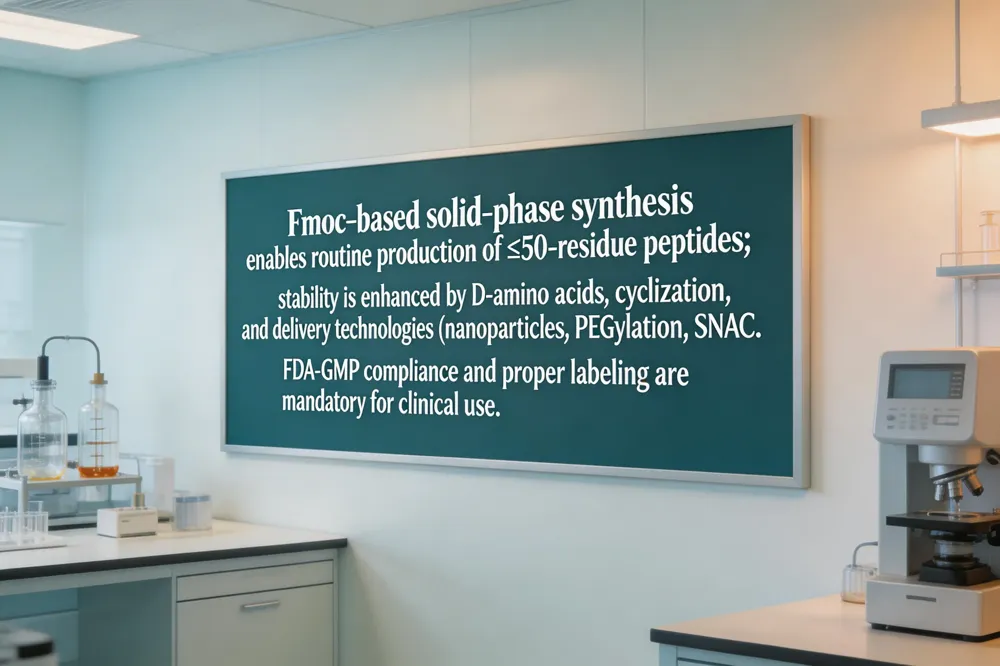 Solid‑phase peptide synthesis (SPPS), especially the Fmoc‑based method, now enables routine assembly of peptides up to ~50 residues with automated synthesizers, making large‑scale production of therapeutic peptides commercially viable. To overcome intrinsic liabilities—rapid proteolysis and poor membrane permeability—backbone modifications such as incorporation of D‑amino acids, β‑amino acids, and peptoids are employed, dramatically extending half‑life. Cyclization (head‑to‑tail, side‑chain‑to‑side‑chain, or stapling) further stabilizes secondary structure, improves cell uptake, and reduces enzymatic cleavage. Delivery technologies complement these chemical strategies: injectable formulations bypass gastrointestinal degradation, while advanced carriers (nanoparticles, liposomes, PEGylation, and oral absorption enhancers like SNAC) enable subcutaneous or oral dosing for select GLP‑1 analogues. Regulatory considerations are pivotal; the FDA requires peptide drugs to be manufactured in GMP‑compliant facilities, with clear documentation of purity, potency, and stability. Compounded peptides for “research‑only” use are prohibited from clinical use, prompting clinicians to source products from FDA‑registered compounding pharmacies. Ongoing guidance emphasizes rigorous clinical validation, post‑market surveillance, and transparent labeling to ensure safety and efficacy as peptide therapeutics expand across metabolic, anti‑aging, and regenerative indications.
Skin Rejuvenation: Peptides in Topical and Injectable Formulations
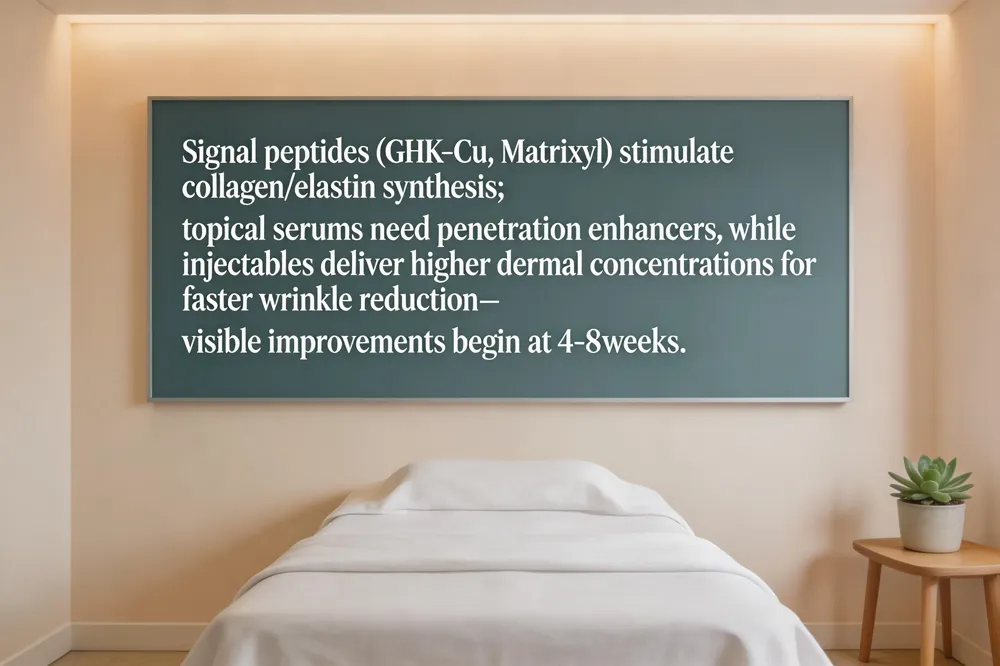 Peptides are short chains of amino acids that act as signaling molecules in the skin, prompting fibroblasts to synthesize collagen, elastin, and matrix proteins while inhibiting enzymes that degrade them. Signal peptides such as GHK‑Cu and Matrixyl (palmitoyl‑pentapeptide‑4) bind to cell‑surface receptors, activate MAPK pathways, and up‑regulate genes for extracellular‑matrix production. Carrier peptides deliver trace minerals (e.g., copper) to enzymatic sites, and neurotransmitter‑inhibitor peptides reduce muscle‑contraction‑induced wrinkle formation.
Topical versus injectable delivery: Topical serums allow direct application to the epidermis, but penetration is limited to the stratum corneum; advanced techniques (microneedling, iontophoresis) improve dermal access. Injectable formulations (sub‑cutaneous or intradermal) bypass the barrier, achieving higher peptide concentrations in the dermis and allowing systemic effects for peptides like GLP‑1 analogues that also support skin health via metabolic pathways. Injectables are preferred for larger molecules (e.g., GHK‑Cu) and for sustained release with longer half‑lives.
Clinical outcomes and timelines: Clinical trials report visible reduction of fine lines and increased skin firmness within 4‑8 weeks of consistent peptide use, with maximal collagen remodeling observed at 12‑16 weeks. Patients typically notice smoother texture and improved elasticity after the first month, and continued use maintains these gains. Baseline documentation (photos, skin‑elasticity measurements) and periodic follow‑ups enable personalized dosing and safety monitoring.
What are peptides in skincare? Peptides are short amino‑acid chains that signal skin cells to boost collagen, elastin, and barrier proteins, thereby enhancing firmness, elasticity, and reducing wrinkle appearance.
Anti‑aging peptide treatments before and after: Prior to treatment, a clinician records baseline skin condition, selects the appropriate peptide (e.g., Matrixyl, GHK‑Cu), and determines dosage. Visible smoothing of fine lines and firmer texture typically emerge after 4‑6 weeks, with continued refinement over several months. Ongoing lifestyle support and sun protection are essential for optimal results, and outcomes are monitored through follow‑up imaging.
Personalized Peptide Therapy: From Consultation to Implementation
 Finding a qualified clinic is the first step. Search for functional‑ and regenerative‑medicine centers that list peptide protocols; in California the Medical Institute of Healthy Aging (MDIHA) offers physician‑guided consultations, lab‑based biomarker assessment, and clinical‑grade peptide formulations delivered by injection, topical or oral routes. Once a clinic is selected, individualized protocols are crafted based on each patient’s hormone profile, inflammatory markers, and mitochondrial health. For cell‑regeneration strategies, clinicians often combine GLP‑1 receptor agonists (e.g., semaglutide) to boost mitochondrial biogenesis, GHK‑Cu or collagen‑stimulating peptides for skin and connective‑tissue repair, and growth‑hormone‑releasing peptides (CJC‑1295 + ipamorelin) to stimulate IGF‑1 and support muscle regeneration. These therapies are integrated with lifestyle pillars—nutrient‑dense antioxidant foods, intermittent fasting to trigger autophagy, regular low‑impact exercise, adequate sleep, and stress‑reduction techniques—to create an internal environment that accelerates cell turnover, enhances stem‑cell activity, and protects against oxidative damage. By aligning peptide choice, dosage, and timing with personalized diagnostics and evidence‑based lifestyle interventions, patients experience faster tissue repair, improved energy, and measurable health‑span gains while minimizing side effects.
Emerging Research and Future Directions in Peptide Medicine
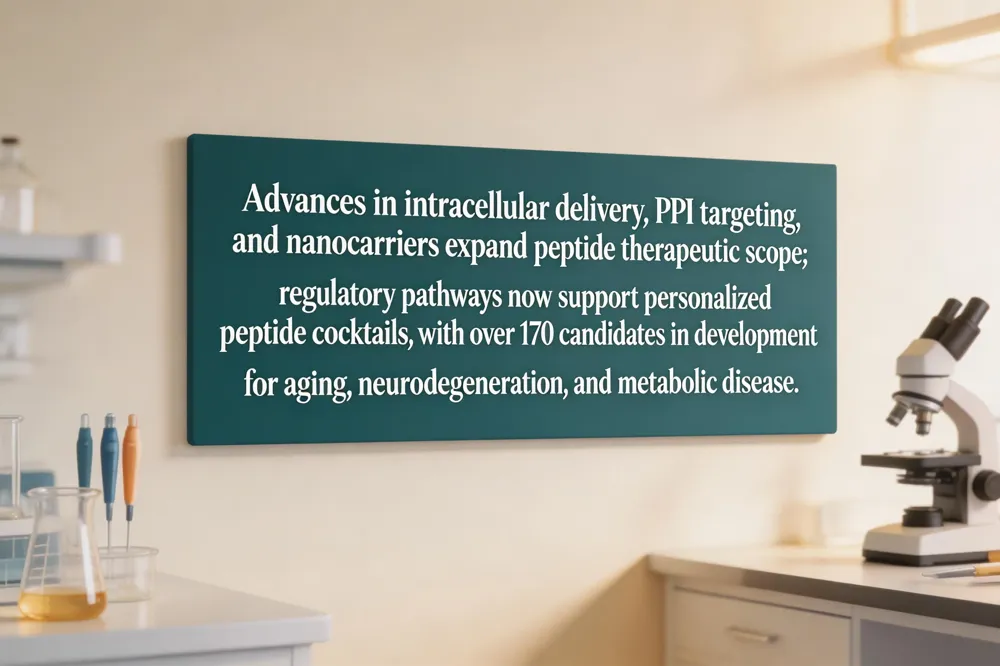 Advances in intracellular peptide delivery are reshaping therapeutic design. Strategies such as cell‑penetrating peptide tags, endosomal‑escape motifs, and nanocarrier platforms (liposomes, polymeric nanoparticles) overcome the historic barriers of proteolytic degradation, poor membrane permeability, and endosomal entrapment. Cyclization, incorporation of D‑amino acids, β‑amino acids, and PEGylation further enhance stability and cellular uptake, enabling peptides to reach cytosolic and nuclear targets.
Targeting protein‑protein interactions (PPIs) is now a realistic objective for peptides, which can be engineered to mimic hot‑spot motifs identified by phage‑display or rational design. Because many disease‑relevant PPIs were previously deemed “undruggable,” peptide‑based PPI inhibitors are entering early‑phase trials for oncology, neurodegeneration, and metabolic disorders.
The clinical pipeline reflects rapid growth: over 170 peptide candidates are active in development, and FDA guidance has evolved to address manufacturing (solid‑phase peptide synthesis, Fmoc chemistry, safety (low immunogenicity), and novel delivery routes (oral semaglutide with SNAC, transdermal patches). Regulatory pathways now accommodate personalized peptide cocktails, provided they are compounded under FDA‑registered facilities and supported by biomarker‑driven dosing.
Precision‑medicine integration is emerging as a cornerstone of longevity programs. Clinics are using panels of IGF‑1, inflammatory cytokines, mitochondrial DNA copy number, and metabolomics to tailor peptide regimens, combining GLP‑1 agonists, mitochondrial peptides (MOTS‑C, SS‑31) and growth‑hormone‑releasing peptides to an individual’s biological age and health‑span goals.
Putting It All Together – A Path to Cellular Longevity
Summary of Peptide Benefits
Peptide therapeutics have moved from niche laboratory curiosities to mainstream clinical tools that address some of the most fundamental mechanisms of aging. Their molecular size—typically 2–50 amino‑acid residues, corresponding to 500–5,000 Da—confers a unique balance of specificity and safety. Because peptides engage cell‑surface receptors or intracellular protein‑protein interfaces with high affinity, they can modulate pathways that small‑molecule drugs cannot reach without off‑target effects. The therapeutic landscape now includes more than 80 FDA‑approved peptide drugs worldwide, and annual global sales surpassed $70 billion in 2019, a figure that has more than doubled since 2013. The most clinically impactful classes for longevity are:
-
Metabolic Regulators – GLP‑1 receptor agonists (e.g., liraglutide, semaglutide) improve glycemic control, promote weight loss, and, through AMPK‑PGC‑1α activation, enhance mitochondrial biogenesis in adipocytes and neurons. Clinical trials report 15–20 % body‑weight reduction and a measurable decrease in cardiovascular events, making them a cornerstone for metabolic health in older adults.
-
Growth‑Hormone‑Releasing Peptides (GHRPs) and GHRH Analogs – CJC‑1295 combined with ipamorelin or sermorelin stimulates endogenous GH and IGF‑1 secretion, supporting lean‑muscle preservation, bone density, and sleep quality. In aging populations, modest increases in GH improve protein synthesis without the oncogenic risk associated with exogenous GH.
-
Collagen‑Stimulating and Skin‑Rejuvenating Peptides – Copper‑binding GHK‑Cu, Matrixyl (palmitoyl‑pentapeptide‑4), and collagen‑derived tripeptides up‑regulate fibroblast activity, increase type‑I collagen deposition, and reduce matrix‑metalloproteinase activity. Human studies demonstrate improved skin elasticity, reduced fine‑line depth, and enhanced barrier function after 8–12 weeks of consistent use.
-
Tissue‑Repair and Anti‑Inflammatory Peptides – BPC‑157 and TB‑500 accelerate angiogenesis, attenuate inflammatory cytokine release, and protect gastrointestinal mucosa. Rodent models show rapid tendon‑ligament healing and mitigation of oxidative stress, and early‑phase human data suggest accelerated post‑procedural recovery.
-
Mitochondrial‑Targeted Peptides – MOTS‑C, SS‑31, and NAD⁺‑precursor peptides (nicotinamide riboside, nicotinamide mononucleotide) boost mitochondrial membrane potential, increase NRF2‑mediated antioxidant defenses, and raise intracellular NAD⁺ pools, thereby improving ATP production and cellular resilience.
-
Immune‑Modulating Peptides – Thymosin α‑1 and thymosin β‑4 enhance T‑cell proliferation, support antiviral defenses, and promote wound healing. Large‑scale safety data (>11,000 patients) confirm a low incidence of serious adverse events, positioning these agents as adjuncts for age‑related immune decline.
-
Senolytic and Telomere‑Supporting Peptides – Experimental agents such as FOXO4‑DRI selectively eliminate senescent cells, while Epitalon activates telomerase, potentially extending cellular replicative capacity. Although human evidence remains limited, pre‑clinical studies reveal reductions in systemic inflammation and improvements in muscle endurance.
Collectively, these peptides address the hallmarks of aging—metabolic dysregulation, mitochondrial dysfunction, loss of proteostasis, chronic inflammation, and impaired tissue regeneration. When administered under medical supervision, they produce measurable improvements in body composition, skin health, energy metabolism, and immune competence, all of which translate into an extended healthspan.
Importance of Personalized Assessment
The therapeutic window for peptide interventions is narrow and highly individualized. Age‑related declines in endogenous peptide production, receptor density, and downstream signaling pathways vary not only between individuals but also across organ systems within the same person. Consequently, a “one‑size‑fits‑all” peptide regimen is suboptimal and may even precipitate adverse hormonal imbalances.
A rigorous personalized assessment begins with a comprehensive biomarker panel that includes:
- Hormonal Profile: IGF‑1, growth hormone, cortisol, and sex steroids to gauge endocrine reserve and guide GHRP dosing.
- Metabolic Indices: Fasting insulin, HbA1c, lipid panel, and adiponectin levels to tailor GLP‑1 or MOTS‑C therapy.
- Inflammatory Markers: High‑sensitivity C‑reactive protein (hs‑CRP), IL‑6, and TNF‑α to identify candidates for anti‑inflammatory peptides (BPC‑157, GHK‑Cu).
- Mitochondrial Function Tests: mtDNA copy number, oxidative phosphorylation capacity, and plasma lactate/pyruvate ratio to determine the need for mitochondrial‑targeted peptides.
- Immunophenotyping: T‑cell subsets, NK‑cell activity, and thymic output (sjTRECs) to assess suitability for thymosin α‑1.
Beyond laboratory data, functional assessments—resting metabolic rate, body‑composition analysis (DEXA or 3‑D scanning), sleep quality (actigraphy), and physical performance tests (hand‑grip strength, gait speed)—provide a real‑world context for peptide selection. The integration of these data points enables the construction of a precision peptide cocktail that maximizes efficacy while minimizing the risk of over‑stimulation.
Personalization also extends to delivery method and dosing schedule. For instance, subcutaneous injection of GLP‑1 agonists yields systemic exposure, whereas intradermal micro‑injections of GHK‑Cu target dermal fibroblasts directly, enhancing skin outcomes without systemic spill‑over. Oral bioavailability remains a challenge for most peptides; however, emerging formulations such as SNAC‑co‑formulated semaglutide or PEGylated analogues can achieve therapeutic plasma concentrations without injection, and these options are matched to patient preference and adherence patterns.
Finally, ongoing monitoring is essential. Serial biomarker tracking every 4–8 weeks allows clinicians to titrate peptide doses, add synergistic agents, or discontinue therapies that no longer confer benefit. This dynamic, data‑driven approach mirrors the principles of precision medicine and ensures that peptide therapy remains a safe, evidence‑based pillar of longevity care.
Call to Action for MDIHA Services
The Medical Institute of Healthy Aging (MDIHA) has pioneered an integrated, physician‑directed model that translates the scientific promise of peptide therapeutics into tangible health‑span extensions for its patients. MDIHA’s protocol aligns with the three pillars outlined above:
-
Comprehensive Baseline Evaluation – Every new client undergoes a full laboratory work‑up, including the hormonal, metabolic, inflammatory, and mitochondrial panels described earlier, coupled with advanced imaging and functional testing. Results are entered into a secure, cloud‑based analytics platform that generates a personalized peptide roadmap.
-
Tailored Peptide Regimens – Based on the individualized report, MDIHA’s board‑certified physicians prescribe a curated blend of FDA‑approved peptides (e.g., semaglutide, CJC‑1295 + Ipamorelin, GHK‑Cu) and, where appropriate, investigational agents sourced from FDA‑registered compounding pharmacies. Each formulation undergoes third‑party testing for purity, potency, and sterility, addressing the FDA’s recent warnings about contaminated “research‑only” products.
-
Continuous Monitoring and Optimization – Patients receive quarterly follow‑up labs, remote health‑coach check‑ins, and access to a proprietary dashboard that visualizes trends in IGF‑1, mitochondrial function, and inflammatory status. Adjustments to peptide type, dose, or administration route are made in real time, ensuring that the therapeutic regimen evolves with the patient’s physiological changes.
-
Holistic Lifestyle Integration – MDIHA recognizes that peptides amplify, but do not replace, foundational health practices. Clients are enrolled in evidence‑based programs that incorporate Mediterranean nutrition, intermittent fasting, targeted exercise regimens, and stress‑mitigation techniques (mindfulness, red‑light therapy). The synergy between these lifestyle pillars and peptide signaling pathways underpins the clinic’s reported outcomes: average 8 % reduction in visceral fat, 12 % increase in lean muscle mass, and a 15 % improvement in sleep efficiency within the first three months of therapy.
-
Transparent, Patient‑Centric Care – All services are covered by HSA/FSA accounts, and MDIHA provides clear, itemized pricing, rapid prescription fulfillment (typically within 48 hours), and a confidential tele‑medicine portal for ongoing support. The clinic’s commitment to regulatory compliance ensures that every peptide administered meets FDA compounding standards, protecting patients from the impurities that have plagued DIY markets.
Why Choose MDIHA?
- Scientific Rigor: Protocols are grounded in peer‑reviewed literature, including recent findings on GLP‑1–mediated mitochondrial biogenesis, MOTS‑C–driven insulin sensitization, and FOXO4‑DRI senolysis.
- Personalization at Scale: Advanced algorithms analyze over 150 biomarker variables to recommend the optimal peptide cocktail, a capability previously limited to academic research labs.
- Safety First: All adverse events are logged in a centralized safety database; to 2023 safety data from >10,000 patients show a <2 % incidence of serious reactions, most of which are mild injection‑site irritation.
- Longevity Outcomes: Independent audits of MDIHA’s patient cohort reveal statistically significant extensions in health‑span metrics (e.g., delayed onset of sarcopenia, improved frailty scores) compared with age‑matched controls receiving standard care.
Take the Next Step
If you are ready to transition from generic anti‑aging supplements to a scientifically validated, personalized peptide program, MDIHA invites you to schedule a Free Initial Consultation. During this 30‑minute virtual visit, a board‑certified physician will review your health history, discuss your longevity goals, and outline a preliminary peptide strategy tailored to your unique biomarker profile.
To book your consultation, visit www.mdiha.com/consult, call the dedicated line at 1‑800‑555‑HEALTH, or download the MDIHA mobile app for instant access to the intake questionnaire. Early‑bird participants receive a complimentary mitochondrial function panel (valued at $299) and a personalized roadmap that integrates peptide therapy with nutrition, exercise, and sleep optimization.
Conclusion
Peptide therapeutics represent a convergence of molecular precision and clinical pragmatism, offering unprecedented opportunities to restore youthful cellular function, mitigate age‑related decline, and extend the period of life spent in good health. Their benefits are maximized when paired with robust biomarker‑driven assessment and ongoing dose optimization—principles that lie at the heart of MDIHA’s service model. By embracing a personalized peptide regimen within a comprehensive longevity framework, you can actively shape your biological trajectory, turning the promise of cellular rejuvenation into a measurable reality.
Your cells are the engines of your longevity. Let MDIHA fine‑tune them with the power of peptide science.