A New Era in Skin Rejuvenation
Stem‑cell‑based dermatologic interventions have transitioned from proof‑of‑concept studies to clinically viable options for skin rejuvenation. Approaches include autologous adipose‑derived mesenchymal stem cells (MSCs) injected intradermally, MSC‑conditioned media or secretomes applied topically, and extracellular‑vesicle (EV) preparations that deliver antioxidant enzymes, microRNA, and growth factors. These cell‑free products modulate key pathways—NF‑κB, MAPK, NRF2, SIRT‑1—reducing inflammatory cytokines (IL‑6, TNF‑α) and matrix‑metalloproteinases while boosting collagen‑I/III, elastin, hyaluronic acid, and angiogenic signals (VEGF, PDGF). The regenerative medicine paradigm matters because aging skin reflects cumulative oxidative stress, chronic inflammation, and stem‑cell exhaustion; restoring a youthful secretome re‑activates fibroblast proliferation, keratinocyte migration, and autophagy, thereby reversing wrinkle depth, loss of elasticity, and pigmentation. The Medical Institute of Healthy Aging (MDIHA) embraces this science through a personalized, proactive longevity model: comprehensive health assessments guide the selection of autologous MSCs or their secretome, delivered via microneedling or micro‑needling to enhance penetration, and combined with adjuncts such as PRP, antioxidant nutrition, and lifestyle coaching. This integrative strategy aims to extend healthspan by targeting the root cellular mechanisms of skin aging rather than merely treating surface appearance.
Stem Cell Anti‑Aging Injections, Costs, and Longevity Potential
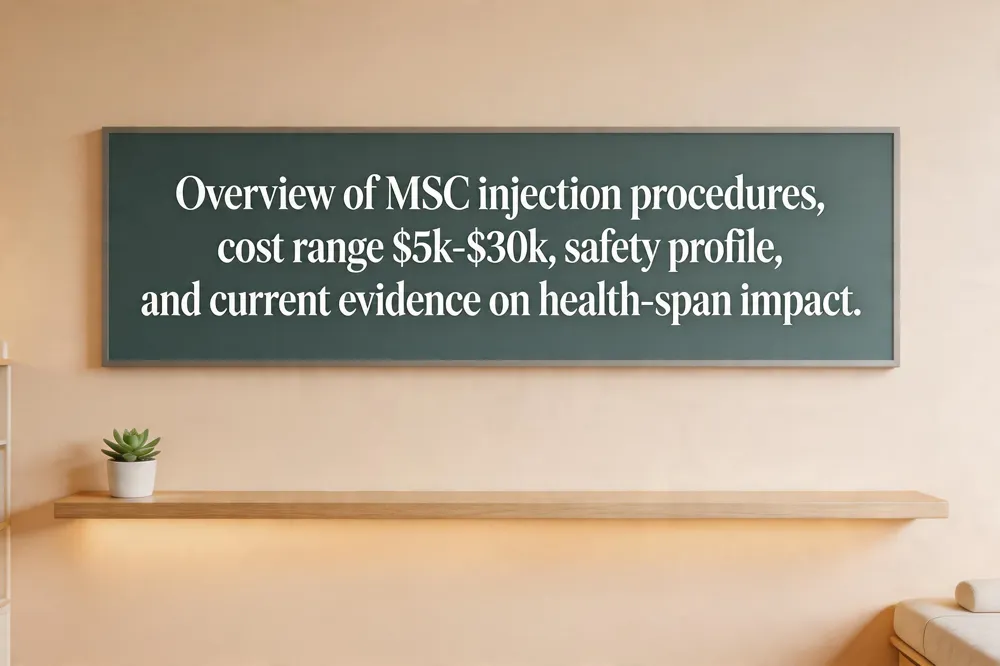 A stem‑cell anti‑aging injection is a minimally invasive procedure in which autologous or allogeneic mesenchymal stem cells (MSCs)—most often harvested from adipose tissue, bone‑marrow, or umbilical cord—are introduced into the dermis or bloodstream. Once delivered, the cells secrete a rich secretome of growth factors (TGF‑β1, PDGF‑AA, GDF‑11), cytokines, and extracellular vesicles that boost collagen‑I/III, elastin, and hyaluronic acid while suppressing matrix metalloproteinases and inflammatory mediators (IL‑6, IL‑1β, TNF‑α). In vitro and early‑clinical studies show enhanced fibroblast proliferation, reduced senescence markers, and antioxidant defenses. Clinical trials report modest but statistically significant improvements in wrinkle depth, dermal density, elasticity, hydration, and even systemic markers of inflammation after topical, microneedle‑ or IV delivery. The therapies are still investigational; the FDA classifies minimally manipulated autologous MSCs for cosmetic use under the 361 pathway, but full approval for anti‑aging indications has not been granted. Safety data are encouraging, with most adverse events limited to transient erythema, mild swelling, or brief fatigue. Cost varies widely: a single injectable session typically ranges from $5,000 to $30,000, depending on cell source, processing, and geographic location, and insurance coverage is rare. While stem‑cell therapies can improve tissue vitality and may modestly extend healthspan, definitive evidence that they increase human lifespan remains pending.
Regenerative Medicine in Dermatology: From Secretomes to Stem‑Cell Niches
 Regenerative medicine in dermatology
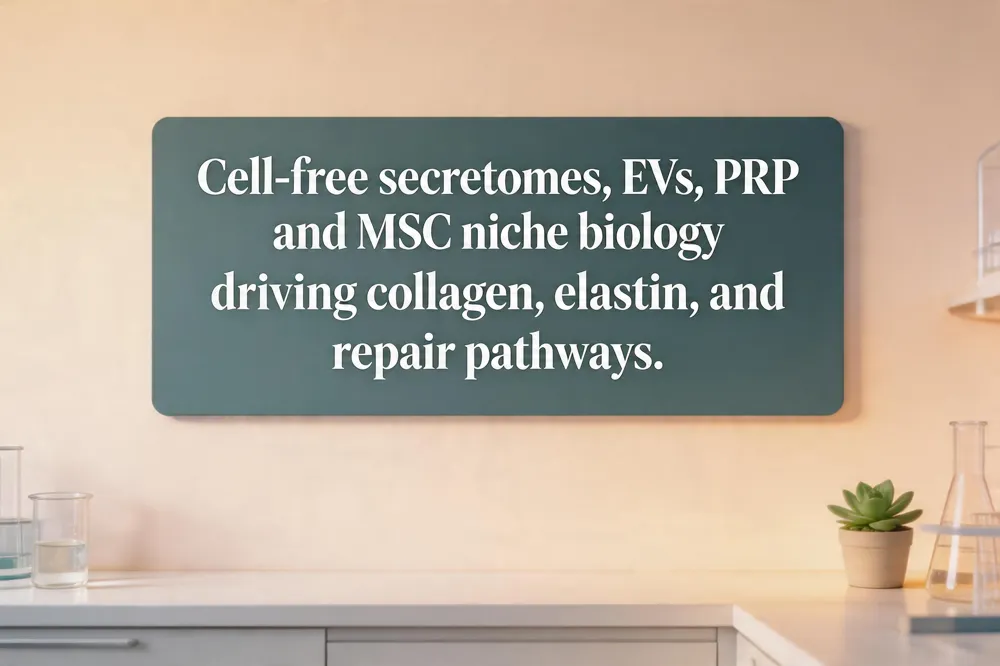
Regenerative medicine is reshaping dermatology by employing mesenchymal stem‑cell (MSC secretomes), extracellular vesicles (EVs) and exosomes, platelet‑rich plasma, and growth‑factor‑rich formulations to repair and rejuvenate aging skin. These biologic agents activate NF‑κB, AP‑1, MAPK, NRF2, SIRT‑1 and P‑AKT pathways, boosting collagen‑I/III, elastin, hyaluronic acid while suppressing MMP‑1/3/9 and pro‑inflammatory cytokines (IL‑6, IL‑1β, TNF‑α. Clinical trials of topical or microneedle‑delivered secretomes/EVs report reduced wrinkle depth, increased dermal density, improved elasticity and hydration with minimal adverse effects. Combining cell‑free therapy with microneedling or fractional laser enhances penetration and accelerates outcomes.
Skin stem cell therapy
Autologous MSCs harvested from adipose tissue or bone marrow are injected intradermally, where they differentiate into fibroblasts and keratinocytes and release a secretome rich in TGF‑β1, PDGF‑AA, GDF‑11 and antioxidant enzymes (SOD, CAT, GPx. This promotes angiogenesis, extracellular‑matrix remodeling, and autophagy, leading to smoother skin, reduced fine lines and better scar healing. Ideal candidates are adults 20‑70 years with loss of firmness, sun‑damage, or early‑stage wrinkles. The approach offers longer‑lasting, natural‑looking results compared with fillers or lasers.
Stem cells in skin located
Skin‑resident stem cells reside primarily in the basal epidermal layer and the bulge region of hair follicles. The basal layer houses proliferating keratinocyte progenitors, while the follicular bulge contains slow‑cycling, label‑retaining cells capable of generating epidermal, follicular and sebaceous lineages. Additional niches exist in sebaceous glands and the dermal mesenchymal compartment. These populations sustain continuous turnover, mediate rapid repair after injury and serve as targets for regenerative interventions.
Comprehensive Anti‑Aging Treatments: Injections, Wrinkle Targeting, and Local Availability
Stem cell Anti aging treatment
Stem‑cell anti‑aging therapy leverages the body’s own regenerative capacity, most often using mesenchymal stem cells (MSCs) harvested from adipose tissue, bone marrow, or umbilical cord. Delivered by localized injections or intravenous infusion, these cells secrete a rich secretome of growth factors (TGF‑β1, PDGF‑AA, GDF‑11) and extracellular vesicles that stimulate collagen‑I/III, elastin, hyaluronic acid, and antioxidant enzymes (SOD, CAT, GPx). The paracrine signaling attenuates NF‑κB, MAPK, and ROS pathways, reducing chronic inflammation and senescence markers (p16, p21). Clinical observations report smoother skin, improved elasticity, and enhanced joint health, while laboratory data show increased fibroblast proliferation (Ki‑67↑) and angiogenesis. The procedure is minimally invasive, individualized, and may be combined with PRP or micron‑needling for synergistic effect.
Stem cell anti aging wrinkle treatment
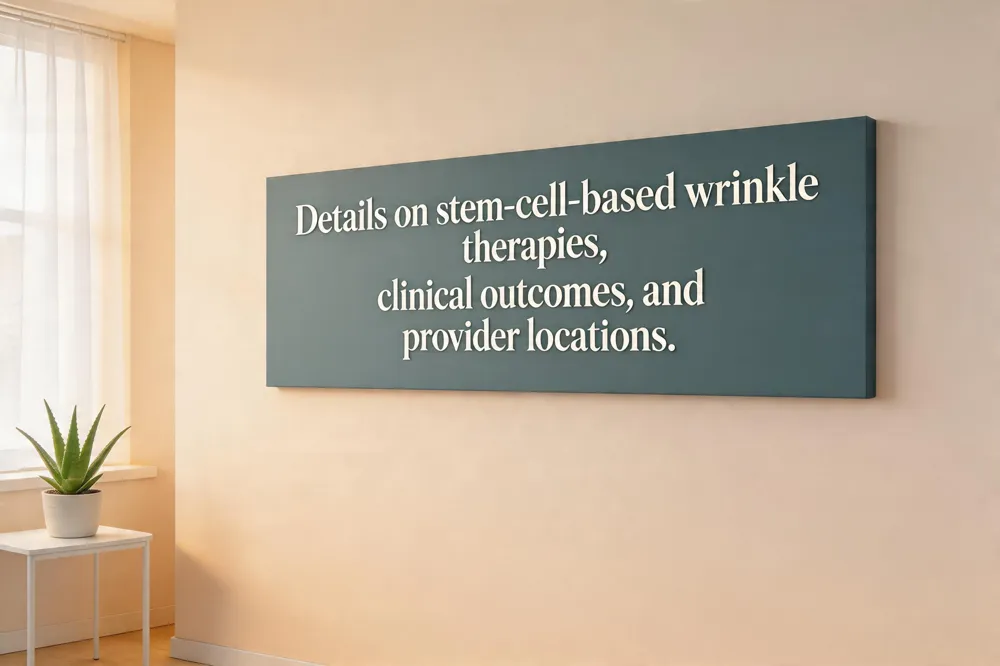
Wrinkle‑focused stem‑cell therapy uses highly viable MSCs—often sourced from adipose or umbilical‑cord tissue—to directly replenish the dermal matrix. Injections into the forehead, periorbital region, nasolabial folds, and décolletage deliver exosomes that boost collagen and elastin synthesis, activate NRF2 antioxidant signaling and down‑regulate MMP‑1/3/9. Clinical trials demonstrate lasting reductions in fine‑line depth and improved dermal density, outperforming temporary filler outcomes. The treatment is tailored after a thorough assessment, ensuring optimal cell potency and safety.
Anti aging stem cell therapy near me
The Medical Institute of Healthy Aging (Los Angeles, CA) offers FDA‑compliant, autologous MSC therapies administered by board‑certified physicians. Patients receive a personalized regimen that may include micro‑needling‑enhanced delivery or adjunct PRP to maximize skin rejuvenation. Tele‑health screenings are available statewide, and a free evaluation can be scheduled via the institute’s website or by phone.
Topical Innovations: Stem‑Cell Creams, Serums, and Ampoules
 Plant‑derived stem‑cell extracts (e.g., PhytoCellTec™ apple cells, algae‑derived exosomes) are large macromolecules that act mainly as antioxidant and barrier‑supportive agents; they cannot penetrate the viable epidermis but can improve surface hydration and reduce oxidative stress when encapsulated in liposomes. In contrast, cell‑derived actives such as mesenchymal‑stem‑cell‑conditioned media, exosome‑rich vesicles, or recombinant growth‑factor cocktails contain bioactive proteins, miRNAs and cytokines (TGF‑β1, PDGF‑AA, GDF‑11 that can modulate (NF‑κB, NRF2 and SIRT‑1 pathways, stimulate fibroblast proliferation, and lower matrix‑metalloproteinase activity, thereby supporting deeper dermal remodeling.
Key ingredients and mechanisms: 1) Growth‑factor‑rich secretomes that boost collagen‑I/III, elastin and hyaluronic acid synthesis; 2) Extracellular vesicles delivering antioxidant enzymes (SOD, CAT, GPx) and miRNAs that activate NRF2 signaling and reduce ROS; 3) Anti‑inflammatory cytokines (IL‑10, PGE₂) that shift macrophages toward an M2 phenotype, mitigating chronic inflammation. These actions translate into measurable improvements in wrinkle depth, dermal density and skin elasticity reported in clinical trials of topical or microneedle‑delivered secretomes/EVs.
How to incorporate into a daily routine: cleanse, apply a stem‑cell serum or ampoule while skin is still damp to enhance penetration, follow with a moisturizer containing hyaluronic acid or peptide complexes, and finish with sunscreen. Use once‑morning and once‑evening; for ampoules, a single dose provides a concentrated burst of actives that can be layered under the moisturizer.
Stem cell Anti Aging Cream – These creams blend plant‑derived stem‑cell extracts (e.g., apple PhytoCellTec™) with peptides, niacinamide and antioxidants to protect cells, stimulate collagen and improve elasticity. Clinical‑type studies show tighter, brighter skin after several weeks, offering a non‑invasive, daily‑care option within a proactive longevity regimen.
Stem Cell anti aging Serum – High‑concentration serums deliver botanical or marine stem‑cell extracts (e.g., Swiss Apple, Crambe maritima) alongside niacinamide and hyaluronic acid. Applied morning and evening, they enhance firmness, hydration and radiance, complementing broader anti‑aging protocols.
Stem Cell Anti Aging skin Ampoule – Ampoules provide a potent burst of marine or botanical stem‑cell extracts, vitamin E and squalane. Used once or twice daily after cleansing, they improve elasticity, plumpness and reduce fine lines, serving as a concentrated layer beneath moisturizers.
Natural Strategies for a 20‑Year‑Younger Look
 Effective skin‑rejuvenation begins with habits that preserve the extracellular matrix and limit oxidative damage. A diet rich in antioxidants (vitamins C, E, polyphenols) and regular aerobic exercise support mitochondrial function and reduce ROS, while adequate sleep and daily hydration maintain barrier integrity. Broad‑spectrum sunscreen, gentle cleansing, and hyaluronic‑acid moisturizers protect against UV‑induced NF‑κB activation and preserve collagen‑I/III.
Non‑invasive procedures that amplify these benefits include radio‑frequency microneedling (e.g., Morpheus8) to stimulate P‑AKT and NRF2 pathways, fractional laser or microneedle‑delivered MSC‑derived secretomes/exosomes, and platelet‑rich plasma (PRP) injections that supply PDGF‑AA and TGF‑β1. Clinical trials report reduced wrinkle depth, increased dermal density, and improved elasticity with minimal adverse effects when secretomes or EVs are applied topically or via microneedling.
FAQ
- How to make your skin look 20 years younger? Combine lifestyle optimization with minimally invasive modalities such as RF microneedling, PRP, and MSC‑derived exosome therapy to boost collagen, elastin, and hyaluronic acid while lowering MMP‑1/3/9 and inflammatory cytokines (IL‑6, TNF‑α).
- Can you reverse skin aging naturally? Complete reversal is not possible, but antioxidant nutrition, sun protection, and regular exfoliation can markedly improve texture and slow further decline. Pairing these habits with cell‑free stem‑cell products enhances endogenous repair.
- Can stem cells help aging skin? MSC‑derived secretomes and extracellular vesicles deliver growth factors (TGF‑β1, PDGF‑AA, GDF‑11 and miRNAs that increase collagen‑I/III, elastin, and antioxidant enzymes (SOD, CAT, reducing senescence markers and improving fibroblast proliferation.
- Stem cell anti‑aging before and after – Photographic series from clinical studies show visible reduction in fine lines, increased dermal thickness, and more uniform pigmentation within weeks to months after topical or microneedle‑administered secretomes/exosomes.
- Stem cell facial before and after – Patients progress from dull, sagging skin to a smoother, firmer complexion with enhanced hydration and elasticity, reflecting MSC‑driven extracellular matrix remodeling and angiogenesis.
These strategies integrate evidence‑based lifestyle measures with emerging, investigational stem‑cell‑derived therapies to achieve a youthful appearance while maintaining safety and regulatory compliance.
Wound Healing, Skin Repair, and 3‑D Regeneration
 Stem‑cell‑based wound healing leverages autologous Mesenchymal stem cells (MSCs), endothelial progenitor cells, and other multipotent populations harvested from bone marrow, adipose tissue, or dermal niches. After minimal manipulation, the cells are delivered via injection, microneedling, or scaffold‑embedded matrices directly to chronic or diabetic ulcers. The secretome of these cells releases growth factors (e.g., TGF‑β1, PDGF‑AA), cytokines, and extracellular vesicles that modulate inflammation, activate NRF2/Keap1 signaling, and stimulate angiogenesis, markedly accelerating closure and reducing infection risk. Clinical studies report >50 % faster healing in murine models and improved closure rates in human chronic‑ulcer trials, supporting a safe, minimally invasive option for patients at the Medical Institute of Healthy Aging.
For skin repair, resident stem cells—epidermal, hair‑follicle, and dermal MSCs—are re‑activated to secrete matrix‑remodeling enzymes, collagen I/III, elastin, and hyaluronic acid, restoring dermal thickness and elasticity. Autologous adipose‑MSC therapy has reversed UV‑induced elastin loss and improved skin texture, offering a regenerative alternative to conventional fillers.
Emerging 3‑D bioprinting combines these stem cells with bio‑ink scaffolds to fabricate vascularized, multilayered skin constructs. Autologous epidermal and dermal stem cells are printed in precise architectures, creating functional epidermis, dermis, and microvascular networks that integrate rapidly with host tissue. Early clinical trials in severe burns and non‑healing wounds demonstrate accelerated re‑epithelialization and reduced scarring, while ongoing research refines cell sources, bio‑ink composition, and printing parameters to enhance graft durability and long‑term functionality.
Systemic Anti‑Aging: Longevity, Liver Health, and Primate Studies
 Stem‑cell‑based interventions are moving beyond topical skin rejuvenation toward systemic anti‑aging strategies that target multiple organs and overall healthspan. Mesenchymal stem cells (MSCs) and their cell‑free derivatives (conditioned‑medium secretomes and extracellular vesicles modulate key pathways—NF‑κB, NRF2, SIRT‑1, and MAPK—reducing chronic inflammation, oxidative stress, and cellular senescence. In pre‑clinical models, MSC‑derived exosomes deliver antioxidant enzymes (SOD, CAT, GPx) and miRNAs that restore mitochondrial function and stimulate autophagy, effects that translate into improved tissue repair and metabolic resilience.
Can stem cells cure liver cirrhosis? While not a definitive cure, early clinical reports suggest that autologous MSC infusions can attenuate fibrosis, enhance hepatocyte proliferation, and modestly improve liver function tests in compensated cirrhosis. Benefits appear greatest when the underlying etiology is controlled and therapy is combined with standard medical management; robust randomized trials are still pending.
How can Chinese reverse aging in monkeys? A 2025 Cell study engineered senescence‑resistant stem cells (SRCs) with constitutive FOXO3 activation. Intravenous SRC administration to aged crab‑eating macaques for 44 weeks reduced systemic inflammation, restored youthful epigenetic marks, and improved cognition, bone density, and reproductive health without adverse immune reactions.
Can stem cells make you live longer? In mice, transplantation of young hematopoietic stem cells extends median lifespan by ~9 % and delays age‑related decline. Human data are limited to safety and modest functional gains; current clinical practice focuses on rejuvenating the patient’s own stem‑cell pool through autologous MSC therapy, lifestyle, and nutrition to support longevity rather than guarantee an extended lifespan.
International Perspectives and Professional Training
 Stem cell skin treatment Korea – South Korea is a leading destination for stem‑cell‑based skin rejuvenation. Clinics offer autologous growth‑factor injections such as the LIENCELL dermal treatment, which harvests stem‑cell‑derived factors from a patient’s own blood, isolates them by centrifugation, and delivers them intradermally, often together with platelet‑poor plasma, hyaluronic acid, or microneedling. Procedures are performed under GMP‑style conditions with on‑site anesthesia and same‑day use to minimize contamination. Reported outcomes include smoother texture, increased elasticity, and reduced fine lines, though treatments are premium‑priced, require multiple sessions, and demand verification of sterility protocols and clinical data.
Does MD Anderson do stem cell therapy? – Yes. The University of Texas MD Anderson Cancer Center operates a dedicated Stem Cell Transplantation and Cellular Therapy Center, one of the world’s largest facilities for autologous and allogeneic transplants. It performs over 850 adult and pediatric procedures annually for hematologic malignancies, aplastic anemia, myelodysplastic syndromes, and select solid tumors. The center also runs clinical trials of innovative stem‑cell‑based therapies and maintains an on‑site cell‑processing laboratory.
Anti‑Aging and Regenerative Medicine Fellowship – The Anti‑Aging and Regenerative Medicine Fellowship, offered by A4M, provides a CME‑accredited, hands‑on curriculum for physicians, PAs, nurses, pharmacists, dentists, chiropractors, and other advanced practitioners. Participants receive live and online modules, extensive case studies, and expert mentorship covering early detection, prevention, and reversal of age‑related decline. Training includes practical experience in stem‑cell therapies, metabolic optimization, and personalized longevity protocols, enabling graduates to practice independently within their specialty.
Celebrity Cases, FAQs, and Real‑World Queries
 Public fascination with stem‑cell rejuvenation has been amplified by high‑profile stories, yet the underlying science remains rooted in rigorous pre‑clinical and early clinical data. Mesenchymal stem cells (MSCs) and their secretomes—conditioned media, extracellular vesicles, and exosomes—have demonstrated the ability to boost collagen‑I/III, elastin, and hyaluronic acid while suppressing matrix‑metalloproteinases and inflammatory cytokines (NF‑κB, AP‑1, MAPK). In vitro, these cell‑free products improve fibroblast proliferation and reduce senescence markers after UV, oxidative, or hyper‑glycemic stress, and clinical trials report reduced wrinkle depth, enhanced dermal density, and improved elasticity with minimal adverse events.
Can stem cells help aging skin? Yes, MSC‑derived secretomes and exosomes can rejuvenate skin by modulating oxidative stress (NRF2, SIRT‑1), inflammation (IL‑6, TNF‑α), and extracellular‑matrix remodeling, leading to measurable improvements in wrinkle depth and skin hydration. However, these therapies are still investigational and not yet FDA‑approved for cosmetic use.
What did Mel Gibson get stem cells for? Media reports linked Gibson to orthobiologic injections for shoulder arthritis and rotator‑cuff pathology, a therapeutic indication that utilizes autologous MSCs to reduce inflammation and support tissue repair. Such applications are performed under clinical protocols but remain off‑label for cosmetic rejuvenation.
Where did Kim Kardashian get stem cells? Kardashian’s reported treatment involved a “vampire facelift” combining microneedling with autologous PRP and stem‑cell‑enriched fat grafts in a non‑U.S. setting. While autologous MSCs are generally safe, cross‑border procedures may lack FDA oversight, raising concerns about sterility, product consistency, and regulatory compliance.
What patients should know before treatment** Verify that the product is minimally manipulated autologous MSCs or a cell‑free secretome, confirm GMP‑compliant manufacturing, and understand that long‑term safety data are limited. Discuss realistic expectations, potential mild adverse events (transient erythema, swelling), and the need for repeat sessions to sustain benefits.
Your Path Forward with Regenerative Dermatology
Stem‑cell‑based skin rejuvenation is rapidly moving from bench to bedside, leveraging the paracrine power of mesenchymal stem cells (MSCs), their secretomes, and extracellular vesicles to restore collagen, elastin, and hyaluronic acid while dampening inflammation, oxidative stress, and cellular senescence. Clinical trials of topical and microneedle‑delivered MSC secretomes or exosomes consistently report reduced wrinkle depth, increased dermal density, and improved elasticity with minimal adverse events. At the Medical Institute of Healthy Aging (MDIHA) we integrate these advances into a personalized, evidence‑based protocol: each patient undergoes comprehensive molecular profiling, skin‑biopsy‑derived stem‑cell assessment, and lifestyle audit. on to evaluate injections cellular therapy,‑ stem‑ of or exosomal formulations, or regenerative scaffolds, always aligning with FDA‑compliant manufacturing standards. Finally, regenerative dermatology is most effective when paired with a proactive longevity lifestyle—balanced nutrition, regular exercise, photoprotection, and stress‑reduction—creating a synergistic environment that supports stem‑cell vitality and sustains healthspan. Together, these strategies empower patients to actively shape a youthful, resilient skin phenotype.