Introduction
Peptide therapy harnesses short chains of amino acids to restore signaling pathways that wane with age, offering a mechanistic bridge between advanced diagnostics and personalized interventions. By targeting metabolic balance—enhancing gut‑derived incretins (GLP‑1, GIP, PYY), stimulating endogenous growth‑hormone release (CJC‑1295, Ipamorelin), and improving mitochondrial function (MOTS‑C, SS‑31)—peptides can increase satiety, boost energy expenditure, preserve lean mass, and refine insulin sensitivity. Clinical data demonstrate that protein‑hydrolysate–calcium mineral blends raise postprandial GLP‑1 iAUC up to nine‑fold, while GLP‑1 analogues (semaglutide, tirzepatide) achieve 15‑22 % weight loss and superior glycemic control. These metabolic effects translate into tangible outcomes for healthy aging, including reduced visceral adiposity, improved joint and tendon health, and enhanced cognitive‑physical scores. When integrated with biomarker‑guided dosing, lifestyle optimization, and rigorous safety monitoring, peptide protocols constitute a scientifically grounded strategy to extend healthspan and mitigate age‑related metabolic decline.
Safety, Administration, and Regulatory Landscape
 Delivery is most reliable via injection, allowing rapid entry into the bloodstream; subcutaneous administration is common for GLP‑1 analogues, CJC‑1295 / Ipamorelin, and MOTS‑C, whereas intramuscular routes are used for tissue‑repair peptides like BPC‑157. Oral formulations exist for collagen peptides (bioavailability up to 63 %) and some small peptides, but overall absorption remains low. Topical GHK‑Cu is employed for skin rejuvenation.
Regulatory status is heterogeneous. Over 100 therapeutic peptides have FDA approval (e.g., semaglutide, tirzepatide, oxytocin, trofinetide), yet the majority of “research‑grade” or anti‑aging peptides marketed to consumers lack FDA clearance and are compounded under Section 503A based on physician justification. Consequently, long‑term safety data are limited, emphasizing the necessity for medical supervision, sourcing from reputable compounding pharmacies, and routine monitoring of biomarkers during treatment.
Cost, Access, and Practical Considerations
 Peptide therapy pricing depends on the regimen’s complexity. Basic wellness formulas (e.g., oral collagen or low‑dose GLP‑1‑based peptides) typically cost $150‑$300 per month, while specialized anti‑aging, muscle‑building, or weight‑loss protocols that combine multiple injectable peptides (CJC‑1295, Ipamorelin, MOTS‑C, etc.) range from $500 to $2,000 month. Initial medical consultations add $100‑$300, and bundled annual packages often fall between $3,000 and $5,000. Insurance may cover a portion of therapy only when a peptide is prescribed for a FDA‑approved indication (e.g., semaglutide for type 2 diabetes); otherwise most patients pay out‑of‑pocket.
No peptide product is FDA‑approved as a dietary supplement—peptides are regulated as drug‑like molecules, and over‑the‑counter “supplements” are technically unapproved compounds. Consumers should obtain peptides from reputable compounding pharmacies and use them under physician supervision.
To locate qualified providers, search for clinics that combine anti‑aging peptide endocrinology, such as the Medical Institute of Healthy Aging (MDIHA) in California, which offers personalized, physician‑guided protocols, telemedicine intake, and comprehensive monitoring. Verify that any provider follows FDA‑registered compounding standards and conducts baseline labs before initiating treatment.
Core Metabolic‑Balance Protocols

What are the 8 rules of metabolic balance?
- Eat only three meals per day, spacing them at least five hours apart. 2. Consume each meal within a 60‑minute window. 3. Start every meal with a small amount of protein and limit the plate to a single protein type. 4. Finish eating by 9 p.m. 5. Drink the prescribed daily water volume. 6. End each meal with a fruit portion, including an apple daily. 7. Avoid snacking between meals. 8. Maintain consistent sleep timing.
What is the 2‑2‑2 method for metabolism?
A six‑week cycle that alternates fasting patterns: Week 1 – 14‑hour overnight fast (10‑hour eating window); Week 2 – 5:2 intermittent fasting (five regular days, two non‑consecutive low‑calorie days); Week 3 – return to a balanced daily eating schedule to consolidate benefits.
Peptide protocols metabolic balance PDF
Our clinic’s downloadable PDF outlines a balanced metabolic peptide regimen—typically GLP‑1 agonist (semaglutide), GHRH analog CJC‑1295 + Ipamorelin, mitochondrial peptide MOTS‑C, and AOD‑9604. It details dosing schedules, timing, and lifestyle cues. Access is via the Medical Institute of Healthy Aging patient portal or a free virtual consultation (mdiha.com).
Best peptide protocols metabolic balance
A synergistic protocol pairs a GLP‑1 receptor agonist (semaglutide or tirzepatide) for appetite control and insulin sensitivity with CJC‑1295 + Ipamorelin to preserve lean muscle and boost basal metabolism. Adding MOTS‑C or 5‑Amino‑1MQ enhances fatty‑acid oxidation and cellular energy. Most clinicians employ a “5‑days‑on, 2‑days‑off” injection schedule and cycle long‑acting agents every 6–10 weeks with a 4‑week break, monitoring glucose, hormone panels, and body composition.
Peptide protocols metabolic balance Reddit
Reddit users report similar combos: low‑dose semaglutide titrated to 1–2 mg weekly, sub‑cutaneous CJC‑1295 + Ipamorelin 100–200 µg 1–2 times daily, combined with intermittent fasting or low‑glycemic diets. They stress regular labs (glucose, lipids, liver) and professional supervision to mitigate risks.
Natural peptides for weight loss
Endogenous peptides such as GLP‑1 naturally curb hunger and slow gastric emptying; emerging AI‑designed fragments (e.g., BRP, a 12‑aa prohormone derivative) suppress appetite without nausea or muscle loss in animal models. Only clinically validated peptides—GLP‑1 analogues, investigational BRP—should be used for evidence‑based weight management.
Weight‑Loss Peptide Strategies
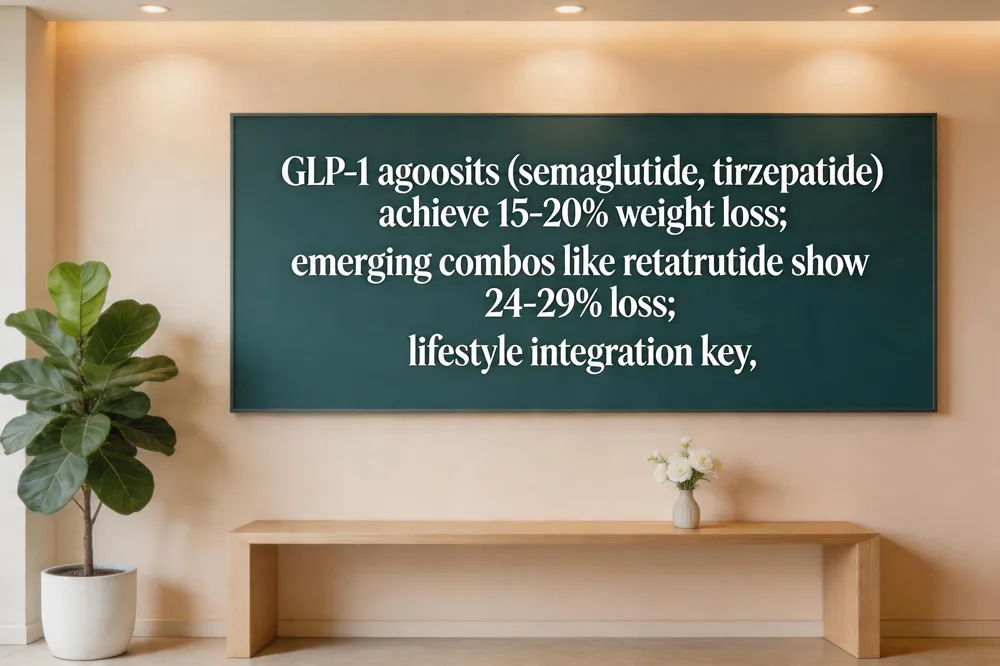 Anti‑aging peptide treatments can also drive weight loss by targeting appetite, insulin sensitivity, and cellular energy use. GLP‑1 receptor agonists such as semaglutide (Wegovy) and tirzepatide (Zepbound) increase satiety, improve glucose control and yield 10‑20 % body‑weight reductions while offering cardiometabolic and longevity benefits. Emerging research on naturally occurring peptides—BPC‑157, MOTS‑c and the experimental triple‑agonist retatrutide (GIP, GLP‑1, glucagon)—demonstrates enhanced gut health, mitochondrial function and metabolic flexibility, supporting fat loss and tissue repair without classic drug side‑effects. Retatrutide’s Phase 2 and Phase 3 trials reported average weight losses of 24‑29 % after 68 weeks, though it remains investigational. The most effective injectable peptide currently available is semaglutide, consistently achieving 15‑20 % reductions; liraglutide and tirzepatide are useful alternatives but with slightly lower efficacy. Non‑prescription peptide supplements lack robust evidence; natural GLP‑1 boosters (e.g., soluble fiber, berberine, yerba‑mate) modestly raise endogenous GLP‑1 but are not FDA‑approved. For sustainable, healthy aging, peptide therapy should be personalized—combining a prescribed GLP‑1 analogue or approved peptide regimen with targeted nutrition, resistance training, adequate sleep, and regular biomarker monitoring under qualified medical supervision.
Muscle Growth, Tissue Repair, and Performance

Peptide supplements for muscle growth
Peptide supplements are short amino‑acid chains that act as signaling molecules to influence muscle protein synthesis. Growth‑hormone‑secretagogue such as CJC‑1295 and Ipamorelin raise endogenous GH and IGF‑1, supporting lean‑mass gains and recovery when combined with resistance training. Clinical trials report modest fat‑free mass increases, but most agents lack FDA approval for athletic use, leaving dosing and long‑term safety uncertain. A supervised plan that pairs training, 1.6–2.2 g/kg protein, and evidence‑based dosing yields reliable outcomes.
Peptide supplements for hair growth
Hair‑health peptides such as copper peptide GHK‑Cu and biotinoyl‑tripeptide‑1 improve scalp circulation, stimulate collagen, and reduce inflammation, increasing hair density with minimal side effects. They are most effective when used alongside FDA‑approved treatments like minoxidil, and a 3‑to month trial is needed to assess benefit.
List of anti‑aging peptides
Common anti‑aging peptides include GHK‑Cu, TB‑500 (Thymosin β‑4), BPC‑157, AOD‑9604, and collagen‑stimulating sequences such as Matrixyl. They promote extracellular‑matrix synthesis, reduce inflammation, and support tissue repair, typically administered subcutaneously over weeks.
Healthy‑aging peptide protocols
A protocol combines GHK‑Cu (0.5–1 mg 2–3 × /week), a GH‑releasing blend (CJC‑1295 + Ipamorelin 100–200 µg nightly), and BPC‑157 (200–400 µg daily). Epitalon (10–20 mg every other day for 10 days) and Thymosin α‑1 (1.6 mg twice weekly) address telomere maintenance and immune modulation. Pair with sleep, antioxidant‑rich diet, exercise, and periodic labs.
Ageineer & Targeted Anti‑Aging Serums
 Ageineer’s Peptide Protocol Serum blends a probiotic skin‑barrier restoreer (32‑35 % Bifida Ferment Filtrate) with medical‑grade peptides—Arg‑Hexapeptide‑8 and Hexapeptide‑9—plus sodium hyaluronate for deep hydration and carnosine for antioxidant protection. Users apply the ampoule twice daily, spreading half on a damp face and neck, then moisturizing; the remaining half is used in the evening or saved for the next day. Clinical feedback shows firmer, more hydrated skin within two weeks, visible wrinkle reduction by weeks three to four, and deeper smoothing by weeks five to eight.
Amazon listings for the exact Ageineer protocol are currently limited, but comparable argireline‑based serums consistently earn 4‑4.5‑star ratings, with thousands reporting smoother fine lines, rapid absorption, and improved firmness. Price is noted, but users feel results justify the cost.
Direct purchase is available through the official website (ReverseAgeineer.com), offering free U.S. shipping and 4‑10 business day delivery. The serum is also stocked at the Medical Institute of Healthy Aging’s California clinic for in‑person patients. International shipping is offered, but U.S. customers receive the fastest service via the domestic site.
Future Directions, Safety, and Lifestyle Integration
 Clinical overview peptide therapy 2022
In 2022 peptide therapy moved from experimental niche to a mainstream component of regenerative and anti‑aging medicine. FDA‑approved GLP‑1 receptor agonists (e.g., semaglutide, liraglutide) demonstrated 15‑22 % body‑weight reductions and improved glycemic control, while growth‑hormone‑releasing peptides such as CJC‑1295 and ipamorelin increased lean‑mass gain and fat oxidation. Trials of mitochondrial‑derived peptides (MOTS‑C) showed enhanced insulin sensitivity and exercise capacity. Safety data were favorable: most adverse events were mild injection‑site irritation, transient headache, or brief hormonal fluctuations. Regulatory oversight required GMP‑grade manufacturing and physician supervision; “research‑only” peptides remained restricted to investigational use.
What are the 7 pillars of anti‑aging?
- Nutrition – nutrient‑dense, balanced diet with adequate protein, healthy fats, vitamins, and minerals.
- Physical activity – aerobic, resistance, balance, and flexibility training.
- Mental health – stress‑reduction, mindfulness, cognitive stimulation.
- Social engagement – strong relationships and community involvement.
- Sleep – sufficient, high‑quality sleep for cellular repair.
- Preventive care – regular screenings, vaccinations, and medical check‑ups.
- Purposeful living – meaningful goals that drive healthy habits.
Healthy aging peptide protocols for weight loss
A physician‑guided protocol typically starts with a GLP‑1 agonist (semaglutide weekly or liraglutide daily), titrated to tolerance while the patient follows a protein‑rich, anti‑inflammatory diet and combines aerobic with resistance training. Monthly labs (weight, lipids, renal function, IGF‑1) guide dose adjustments. Emerging agents such as retatrutide show promise but remain experimental. Continuous monitoring every 3–6 months ensures safety, addresses side‑effects, and reinforces lifestyle habits that sustain weight loss and metabolic health in older adults.
Conclusion
Peptide science is rapidly becoming a cornerstone of metabolic health optimization. By leveraging bioactive food‑derived peptides, GLP‑1 analogues, growth‑hormone‑releasing peptides, and mitochondrial‑targeted sequences such as MOTS‑C, clinicians can modulate satiety, insulin sensitivity, energy expenditure, and tissue repair in a coordinated manner. A personalized, evidence‑based protocol—guided by comprehensive biomarker panels, age‑specific hormonal profiling, and individual lifestyle factors—allows precise peptide selection, dose titration, and cycling strategies that maximize benefit while minimizing receptor desensitization. Safety remains paramount: all peptides must be sourced from FDA‑registered compounding pharmacies, administered under qualified medical supervision, and monitored through regular labs (IGF‑1, HbA1c, lipid panels, inflammatory markers). Ongoing research into long‑term outcomes, bioavailability technologies, and gender‑specific responses will continue to refine these regimens, ensuring that peptide‑driven interventions remain both effective and responsibly integrated into preventive longevity medicine.