
Beyond the Checkup: A New Measure of Success
The longevity clinic industry has grown rapidly, offering a promise that traditional medicine rarely makes: to slow the biology of aging itself. Some clinics charge annual memberships ranging from €10,000 to over €100,000, and the U.S. anti-aging services market is projected to grow at 10.4% annually through 2035. Patients are drawn by the allure of personalized prevention — advanced diagnostics, biomarker-driven protocols, and the hope of a longer healthspan.
Yet a central tension underlies this growth. The field's most visible evidence often comes not from peer-reviewed studies but from patient testimonials: stories of renewed energy, recovered mobility, and reversed symptoms. These narratives are powerful, but they raise a critical question for anyone considering longevity care. How do you separate genuine success stories from marketing hype?
This article explores what patient testimonials reveal and what they leave out. It examines the diagnostic depth that distinguishes leading clinics, the importance of evidence-based protocols, and the emerging frameworks that could help standardize success in the field. At the Medical Institute of Healthy Aging (mdiha.com), the approach centers on personalized, proactive health optimization built from comprehensive diagnostics and ongoing physician-led care.
Defining the Longevity Clinic Model
 A longevity clinic is a specialized medical practice focused on proactively extending healthspan — the number of years a person lives in good health and free from chronic disease. This approach contrasts directly with the reactive model of traditional primary care, which typically waits for a patient to present with symptoms before intervening.
These clinics operate under a core philosophy that is proactive, preventive, and fully personalized. They aim to identify and address the biological drivers of aging before they develop into diagnosable conditions. As described by a PMC overview of the field, this model represents "what the medicine of the future should be," though critics also note it can be a "costly experiment bordering on pseudoscience" when not grounded in rigorous science [link to: https://pmc.ncbi.nlm.nih.gov/articles/PMC12606959/].
To deliver on this premise, longevity clinics offer a suite of advanced diagnostics far beyond a standard physical. A typical client may undergo genomic sequencing, multi-omics profiling, advanced imaging like full-body MRI, immune system assessments, microbiome analysis, and epigenetic testing. The results are used to design individualized regimens that might include exercise prescriptions, nutritional guidance, nutraceuticals, sleep optimization, hormone replacement, or more experimental therapies [link to: https://pmc.ncbi.nlm.nih.gov/articles/PMC12606959/].
Depending on the institution, these clinics are marketed under a variety of names, including age-management practices, personalized health centers, or wellness-longevity hybrids. The cost of this premium service reflects its intensive nature; annual memberships frequently range from €10,000 to €50,000, with some executive packages exceeding €100,000, making them accessible primarily to a wealthy clientele [link to: https://pmc.ncbi.nlm.nih.gov/articles/PMC12606959/].
Clinics like the Medical Institute of Healthy Aging operate within this space by offering a similarly personalized approach. Unlike a fragmented healthcare experience, a well-integrated longevity clinic provides a coordinated framework for advanced diagnostics and ongoing care, aiming to catch metabolic disruptions early and keep patients ahead of age-related decline.
The Power and Pitfalls of Personal Stories
 High-profile patient testimonials offer a compelling window into what longevity clinics promise. At the Longevity Medical Institute, Grammy-winning artist Paula Abdul described seeking a "deeper understanding" after years of "significant wear and tear in my spine and joints." Her protocol combined comprehensive labs, a full-body MRI, stem cells, exosomes, and peptides. NFL player Ahkello Witherspoon called the diagnostics "next level" and highlighted the precision of ultrasound-guided injections for his recovery plan. Parkinson's patient Brent Phelps, age 59, noted that the staff "took the time to listen" and developed an individualized plan that included stem cells, exosomes, and hyperbaric oxygen therapy. He reported that "since completing the initial treatment, my symptoms have lessened, and I feel better."
These stories consistently feature thorough diagnostics, personalized protocols, advanced regenerative therapies, and the feeling of being heard. Yet a 2024 PMC review cautions that such testimonials lack scientific rigor and can overhype unproven interventions, risking the field's credibility. Clinics like the Medical Institute of Healthy Aging (mdiha.com) bridge this gap by grounding their personalized care in evidence-based diagnostics and physician oversight, offering tangible benchmarks that balance compelling patient narratives with verifiable outcomes.
Diagnosing Deeper: What High-End Testing Uncovers
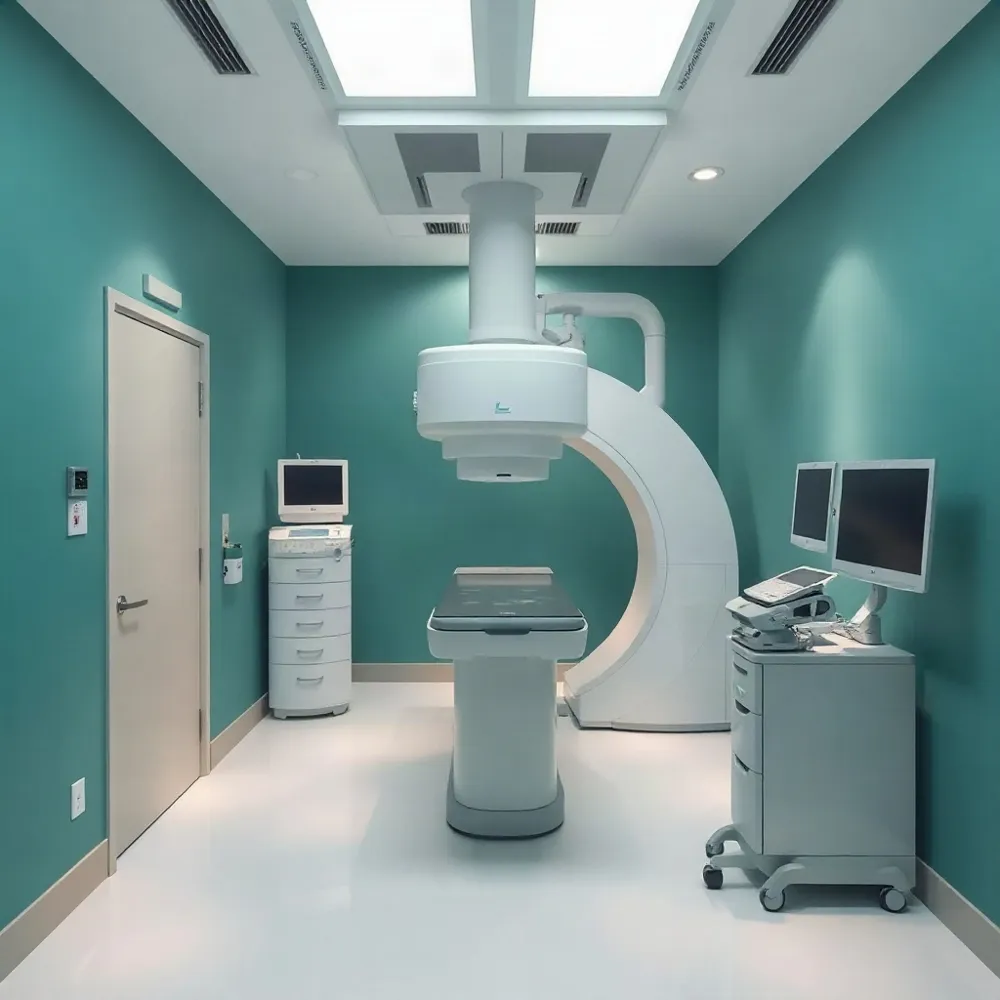 When most people picture a "checkup," they see a standard physical: blood pressure, a basic blood panel, and a few questions about diet and exercise. A longevity clinic in the traditional sense starts where that checkup ends. The accepted model, described in a framework for effective healthy longevity clinics published in Aging and Disease, centers on a preventive, data-driven approach. Instead of waiting for a diagnosis, clinicians collect dense baseline information, identify early markers of decline, and intervene before chronic disease takes hold. The goal is not just to add years but to extend healthspan, the period of life spent in good health free from significant disease.
Many leading clinics share a common toolkit. Advanced diagnostics such as whole-body MRI, DEXA scans, VO2 max testing, and biomarker panels form the foundation. The UC Davis Healthy Aging Clinic and organizations like the National Institute on Aging's healthy aging guidance both emphasize that this level of testing uncovers risks that standard physicals miss. Patient success stories from preventive medicine highlight how early identification of metabolic or cardiovascular risk can reverse decline before it becomes symptomatic.
Whole-body MRI. A full-body scan that detects silent abnormalities, from aneurysms to early tumors, that would not surface in routine labs.
DEXA scan. Measures bone density and body composition, revealing frailty risk or metabolic issues years before they affect mobility.
VO2 max testing. Assesses cardiorespiratory fitness, one of the strongest predictors of longevity, providing a baseline for personalized exercise.
Comprehensive biomarkers. Deep panels measuring hormones, inflammatory markers, and metabolic health, giving clinicians a complete picture of biological age.
The longevity clinic model also relies on personalized interventions once diagnostics are complete. This extends beyond supplements to include targeted hormone optimization, peptide therapies, and structured exercise and nutrition protocols. A 2024 review on longevity pyramid interventions notes that the most effective programs layer these interventions based on individual risk profiles rather than applying a one-size-fits-all approach. Clinics that succeed at this, like those highlighted in patient testimonials, use the diagnostic data to build a highly specific roadmap.
What separates a genuine longevity clinic from a spa with a blood test is the rigor of the medical oversight. A credible clinic is staffed by physicians who interpret every result and adjust treatments accordingly. Patient testimonials from a longevity institute describe how physicians at leading clinics review biomarker trends over months, not just once, to fine-tune protocols. This continuous loop of testing, treating, and retesting is what moves the needle from vague wellness to measurable healthspan gains.
From Data to a Personalized Protocol
A longevity clinic is a medical practice that focuses on extending healthspan, the period of life spent in good health, rather than merely treating disease. Unlike traditional reactive care, these clinics use advanced diagnostics to identify biomarkers of aging early, then build personalized protocols around hormone optimization, nutrition, supplementation, and lifestyle changes. The approach is physician-led and prevention-first.
Core Pillars of Care
Comprehensive longevity programs share a common foundation. Each patient receives a deep dive into their biological data, which is then translated into a targeted action plan. This is where a personalized protocol comes to life, guided by a licensed physician who interprets the numbers and adjusts treatments over time.
Advanced Diagnostics. Blood panels, genetic testing, and functional assessments reveal metabolic, hormonal, and inflammatory markers that predict future health risks.
Hormone Optimization. Careful balancing of testosterone, thyroid, and other hormones to restore youthful energy, cognition, and body composition.
Nutraceutical Support. Targeted supplements, prescribed based on lab results, address specific deficiencies and support cellular repair.
Personalized Coaching. Continuous guidance on diet, exercise, sleep, and stress management, adapted as your biomarkers evolve.
The National Institute on Aging confirms that healthy aging is influenced by a combination of genetics, environment, and lifestyle. A longevity clinic operationalizes this science into a repeatable process.
| Aspect | Traditional Care | Longevity Clinic |
|---|---|---|
| Focus | Disease treatment | Health optimization |
| Diagnostics | Narrow testing | Comprehensive biomarker panels |
| Plan | Generic guidelines | Personalized protocol |
| Providers | Specialist visits | Integrated physician team |
Where Patient Stories Meet Science
A longevity clinic is a medical practice that focuses on extending both lifespan and healthspan through proactive, personalized care. Unlike a standard primary care office that treats illness when it appears, these clinics emphasize prevention, advanced diagnostics, and targeted interventions to slow the biological aging process. Organizations such as the Healthy Aging Clinic at UC Davis Health integrate these principles into clinical practice, while the National Institute on Aging provides foundational guidance on what constitutes healthy aging through its healthy aging resources.
The scientific foundation for these clinics is growing. A framework published in Aging and Disease outlines how preventive longevity clinics should operate, emphasizing evidence-based interventions over unproven treatments. Similarly, the longevity pyramid model organizes interventions by strength of evidence, helping clinicians prioritize lifestyle changes, metabolic optimization, and pharmacologic therapies that have demonstrated benefit. This evidence-driven approach is central to the care philosophy at mdiha.com, where diagnostics and treatments are chosen for their scientific validity.
Diagnostics. Comprehensive testing goes beyond standard blood panels to include advanced biomarkers, genetic data, and imaging that reveal biological age, inflammation levels, and organ function. mdiha.com uses these diagnostics to create a baseline for tracking intervention effectiveness.
Personalized protocols. Each patient receives a plan tailored to their unique genetic predispositions, metabolic profile, and personal health goals. This contrasts with generic checkups that apply the same tests and advice to everyone.
Continuous monitoring. Regular follow-ups and repeat testing allow for course correction, ensuring that therapies remain effective and safe over time. This proactive loop is a defining feature of the longevity clinic model.
While the concept is promising, consumers should distinguish between clinics grounded in peer-reviewed research and those relying on testimonials or unproven interventions. A balanced perspective, as seen in patient stories and clinical outcomes, can help guide decisions. For a deeper look at how real patients have responded to such care, our patient success stories highlight the practical benefits and challenges of these approaches.
| Feature | Typical Longevity Clinic | mdiha.com Approach |
|---|---|---|
| Diagnostics | Advanced biomarkers, genetic testing | Comprehensive panels with emphasis on biological age |
| Care model | Proactive, preventive | Personalized, evidence-based longevity protocols |
| Focus | Extending healthspan | High-touch, ongoing monitoring and adjustments |
Building Credibility: The Need for Standards
For longevity medicine to be taken seriously as a clinical discipline, it needs more than promising case reports. It needs a framework of scientific rigor, standardized protocols, and published outcomes that hold clinics accountable. Without this, patients have no way to separate evidence-based care from expensive experimentation. The field is young, but the expectation is already forming: longevity clinics should look more like academic medical centers and less like lifestyle retreats.
Part of the solution is structural. Clinics that integrate with academic institutions and hospitals can access peer review, research infrastructure, and a culture of scrutiny. The National Institute on Aging's research on healthy aging points to the value of understanding aging as a modifiable process, which supports a clinical model that uses biomarkers and targeted interventions rather than generic advice. Standardized protocols give clinicians a consistent way to assess patient risks, track changes, and report outcomes. Published results, even from a single center, build the evidence base that the field needs.
That level of rigor is central to how mdiha.com structures its approach. We combine advanced diagnostics with personalized treatment plans, and we hold ourselves to the same standards we expect from academic partners. Our own advanced diagnostics and personalized longevity care are part of a practice that emphasizes measurable outcomes and patient-centered protocols. We partner with health systems and researchers to align with published evidence. This is not about being the loudest voice in the room; it's about being the most credible one.
The Role of Regulatory and Ethical Oversight
Regulatory oversight remains the weakest link in longevity medicine. Few countries have specific frameworks for longevity clinics, so clinics operate in a gray zone where the burden of quality control falls on the provider. A framework for an effective healthy longevity clinic, published in Aging and Disease, outlines the components that should be standard: a defined patient population, structured intake procedures, and a system for measuring outcomes over relevant time horizons. These elements are not optional sidebars; they are the foundation of responsible care.
Clinics that ignore standards risk becoming outlets for unvalidated therapies, which does real damage to patient trust. A responsible longevity clinic uses only interventions that are supported by peer-reviewed evidence, and it is transparent about the limits of that evidence. This includes being honest about what is experimental and what is established. At mdiha.com, we document our basis and share our published outcomes with the community. We are not trying to be all things to all people; we are building a model that can be measured, audited, and improved. The credibility that flows from that discipline is what separates a clinic you can recommend from a gamble you can't.
The 7 Pillars of Healthy Aging at Home
A traditional annual physical offers a snapshot of your current health, but it rarely captures how well you will function in the decades ahead. Longevity clinics and preventive medicine programs shift the focus from treating existing conditions to actively managing the aging process itself. Rather than waiting for a diagnosis, this approach uses advanced diagnostics and personalized interventions to extend the number of healthy, active years you enjoy, a concept known as healthspan.
The National Institute on Aging defines healthy aging as more than the absence of disease; it involves maintaining the physical, mental, and social well-being needed to remain independent and engaged. Clinics like the Medical Institute of Healthy Aging turn this definition into a practical roadmap. They use comprehensive lab panels and body composition analysis to identify biological markers of decline early, often years before symptoms appear, and then address them through targeted nutrition, exercise, and medical protocols.
Nutrition. Anti-inflammatory diets and personalized supplementation based on your lab results form the foundation for cellular repair and metabolic health.
Exercise. A mix of strength, cardio, and flexibility work helps preserve muscle mass, bone density, and mobility, which are critical for independence.
Mental well-being. Stress management and cognitive engagement protect brain health and emotional resilience, supporting better decision-making about your care.
Social engagement. Maintaining meaningful relationships reduces isolation and has been linked to lower risks of chronic disease and cognitive decline.
How the Seven Pillars Shape a Longevity Plan
Many longevity programs, including the team at the Medical Institute of Healthy Aging, organize their care around seven core pillars: nutrition, exercise, mental well-being, social engagement, quality sleep, preventive healthcare, and purpose. Each pillar is not a standalone suggestion but part of an interconnected system. For example, quality sleep supports hormonal balance and immune function, while a sense of purpose has been correlated with lower mortality risk in observational studies. This holistic framework turns abstract aging science into daily habits you can actually follow, whether you are 40 planning for the future or 75 focused on maintaining vitality.
A structured longevity program typically begins with a comprehensive assessment, including advanced blood biomarkers, hormonal panels, and genetic or epigenetic testing. From there, the clinic creates a personalized roadmap that integrates each pillar based on your unique lab data and health history. Unlike a standard checkup that ends with a prescription, this roadmap is a living document, reviewed and adjusted at regular follow-ups. The goal is not just to add years to your life, but to ensure those years are lived with energy, clarity, and independence.
| Pillar | Focus | Example Intervention at mdiha.com |
|---|---|---|
| Nutrition | Cellular repair and metabolism | Personalized supplement stacks and anti-inflammatory meal plans |
| Exercise | Muscle, bone, and cardiovascular health | Strength and HIIT programs designed for your fitness level |
| Mental well-being | Brain health and stress resilience | Cognitive training and stress-reduction coaching |
| Social engagement | Emotional and mental vitality | Group wellness sessions and community support |
| Quality sleep | Hormonal and immune regulation | Sleep tracking and optimization protocols |
| Preventive healthcare | Early detection of decline | Advanced lab panels and imaging |
| Purpose | Motivation and longevity mindset | Life coaching and goal-setting sessions |
The effectiveness of these approaches is not just theoretical. A 2024 framework for healthy longevity clinics in Aging and Disease highlights how preventive, personalized care can reduce the burden of age-related diseases. Patient stories shared by the Medical Institute of Healthy Aging reinforce these findings, showing real-world improvements in energy, metabolic health, and overall well-being when patients commit to their personalized plans. By actively engaging with all seven pillars, you move beyond passive healthcare into an active partnership with your own biology, making intentional daily choices that compound over time.
Addressing the Hardest Challenges of Aging
Most"longevity" clinics fixate on a single metric: biological age. They market pricey IV drips, supplements, and genetic tests, all in service of a longer chronological span. Yet far less common is a more meaningful and comprehensive approach that treats the entire aging process, rather than a handful of markers. Superficial protocols often ignore the lifestyle, nutritional, and environmental factors that genuinely determine how well you age, which is a significant gap between promise and actual longevity care.
Superficial Protocols. These amenities focus on isolated, trendy treatments without a cohesive strategy. They fail to address root causes like chronic inflammation, metabolic health, or oxidative stress.
Genuine Longevity. True longevity involves a personalized, evidence-based plan that integrates advanced diagnostics, nutritional guidance, hormone optimization, and proactive health monitoring.
A properly designed longevity clinic does much more than chase an elusive biological marker. It functions as a medical institute dedicated to identifying and addressing age-related decline. This involves a full-spectrum assessment that evaluates metabolic function, cardiovascular health, inflammation, and hormonal balance. According to a framework for an effective healthy longevity clinic, the most successful programs are those that integrate diagnostic and clinical strategies, moving beyond superficial metrics. At Medical Institute of Healthy Aging, the goal is to implement systematic checks that detect early signs of decline to maintain not just lifespan but also a high quality of life.
The Financial reality of a longevity clinic is also a major consideration. Standard medical practice often works on a fee-for-service model, addressing illness as it arises. A longevity clinic, by contrast, focuses on prevention, often requiring a membership model or direct-pay structure. The costs can be significant, though many patients find the investment preferable to the high costs of chronic disease management. For example, a top-tier clinic might charge thousands of dollars for an initial evaluation, whereas more accessible options, like the UC Davis Healthy Aging Clinic, offer a more affordable entry point. The most effective care, however, lies in a proactive model that catches problems early and prevents the need for expensive interventions later.
The Five Stages of Aging and Proactive Planning
The aging journey follows a continuum of five distinct stages: Self-Sufficiency, where individuals manage their own health and plan for the future; Interdependence, where physical or cognitive decline begins, and help from family or friends becomes necessary; Dependency, which requires assistance with daily activities such as bathing or transportation; Complex Care, where needs exceed what family can provide; and the Finale, requiring 24/7 skilled nursing or hospice care.
Understanding this continuum is essential for proactive planning. For example, without early staging, many older adults find themselves unprepared when they cross the threshold from Interdependence to Dependency. The California Health Care Foundation notes that fragmented systems and insufficient services make it difficult for many to age independently.
The primary goal of a longevity clinic is to help patients maximize the time spent in Stages 1 and 2, delaying the onset of dependency. Advanced diagnostics allow clinicians to identify risk factors decades before they become disabling conditions, shifting the focus from crisis management to prevention.
This framework aligns closely with Dr. Rosanne Leipzig's concept of "interdependence" — accepting help to achieve goals while preserving autonomy. As the 74-year-old geriatrician explains, it is "keeping your eye on what you really want to do and allowing others to help you do those things." At the Medical Institute of Healthy Aging (mdiha.com), care plans are designed around this principle, using comprehensive diagnostics to stage-manage the aging process rather than waiting for a crisis.
Redefining Success in Longevity Care
The value of a longevity clinic ultimately rests on the outcomes it delivers. Patient testimonials, at their best, capture the real-world impact of personalized, science-backed care: a regained ability to walk without pain, stabilized chronic conditions, or the mental clarity to enjoy retirement. These stories are the most human measure of success, but they must reflect genuine, verifiable improvements in healthspan, not just marketing narratives.
The most meaningful testimonials come from patients who have not simply added years to their lives but have improved the quality of those years. They describe regaining function, reducing dependence on medications, and feeling a renewed sense of vitality. A 78-year-old patient at the Longevity Medical Institute, for example, reported feeling "stronger and more alive" than he did decades earlier, while a 66-year-old patient with neuropathy saw his pain decrease and medication cut in half. These are not claims of reversing time, but of extending the period of life lived well.
The challenge for the field is to ensure that every glowing testimonial is backed by measurable evidence. Clinics that integrate advanced diagnostics with transparent, physician-led care and publish peer-reviewed outcomes will be the ones that earn lasting credibility. The Medical Institute of Healthy Aging exemplifies this approach, combining comprehensive testing with personalized protocols designed around each patient's unique biology.
Looking ahead, the future of longevity care depends on making this proactive, personalized model accessible and credible for everyone. As the aging population grows, the demand for clinics that merge the power of personal stories with the rigor of evidence-based medicine will only intensify. Success in this field will be defined not by extravagant claims, but by consistent, science-backed improvements in the healthspan of those they serve.