Understanding Biological Age
Biological age is a composite metric that reflects the functional integrity of an individual’s cells, tissues, and organ systems, rather than the number of years since birth. Unlike chronological age, which advances uniformly, biological age can be younger or older than a person’s calendar age, providing a more precise predictor of health outcomes, disease risk, and mortality. Several biomarkers underpin this assessment. DNA‑methylation patterns, captured by epigenetic clocks such as Horvath’s Clock and the DunedinPACE algorithm, are the most widely validated tools, quantifying age‑related epigenomic drift. Telomere length, though less consistent, offers additional insight into cellular senescence. Blood‑based panels—including albumin, creatinine, fasting glucose, high‑sensitivity C‑reactive protein, and lipid profiles—contribute to phenotypic age calculations. Emerging urine markers (e.g., 8‑oxoGsn) and multi‑gene expression signatures further refine estimates. Functional testing, such as cardiopulmonary exercise testing (CPEX) to determine VO₂ max, yields a fitness‑age that correlates with physiological resilience. Together, these methods enable clinicians to detect accelerated aging early, tailor preventive strategies, and monitor the impact of lifestyle or therapeutic interventions on an individual’s biological clock.
Exercise as a Pillar of Age Reversal
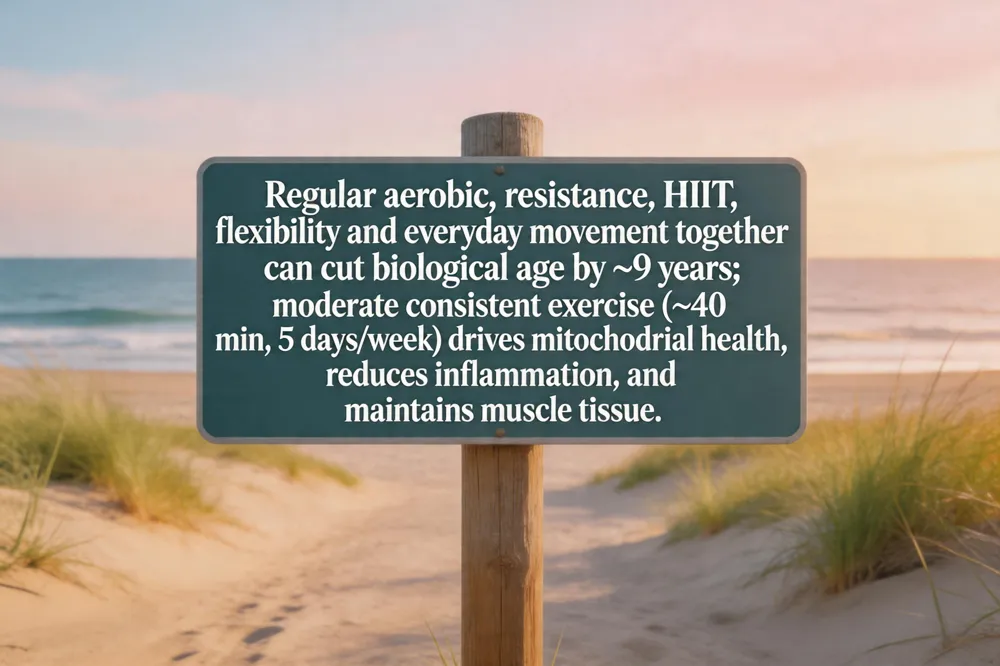 Regular physical activity is the most potent, evidence‑backed lever for lowering biological age. Regular aerobic exercise and resistance training have been shown to reduce epigenetic age by improving mitochondrial function and decreasing systemic inflammation. Compound lifts (squats, deadlifts, bench presses, pull‑ups) boost testosterone and maintain muscle tissue with age. High‑intensity interval training (HIIT) enhances mitochondrial regeneration and slows cellular aging. Dynamic flexibility work (yoga, dynamic flow, animal flow) maintains joint mobility and offsets age acceleration from prolonged sitting. Everyday movement (standing, walking, brief activity bouts) adds cumulative benefits, especially when paired with consistent Getting 7‑9 hours of sleep each night lowers inflammatory markers and prevents excess “heart age” compared with chronological age and a A Mediterranean‑style diet rich in fish, vegetables, whole grains, and unrefined carbohydrates cuts all‑cause mortality by ~25% and preserves brain volume, and Omega‑3 fatty acids from oily fish, olive oil, nuts, seeds, and avocado have anti‑inflammatory effects and lower mortality rates. Together, these exercise modalities form a comprehensive program that can shave roughly nine biological‑age years, as shown in Moderate, consistent exercise (~40 minutes, 5 days/week) can reduce biological age by about nine years (Brigham Young University study), and support a healthier, longer healthspan.
Nutrition Strategies that Turn Back the Clock
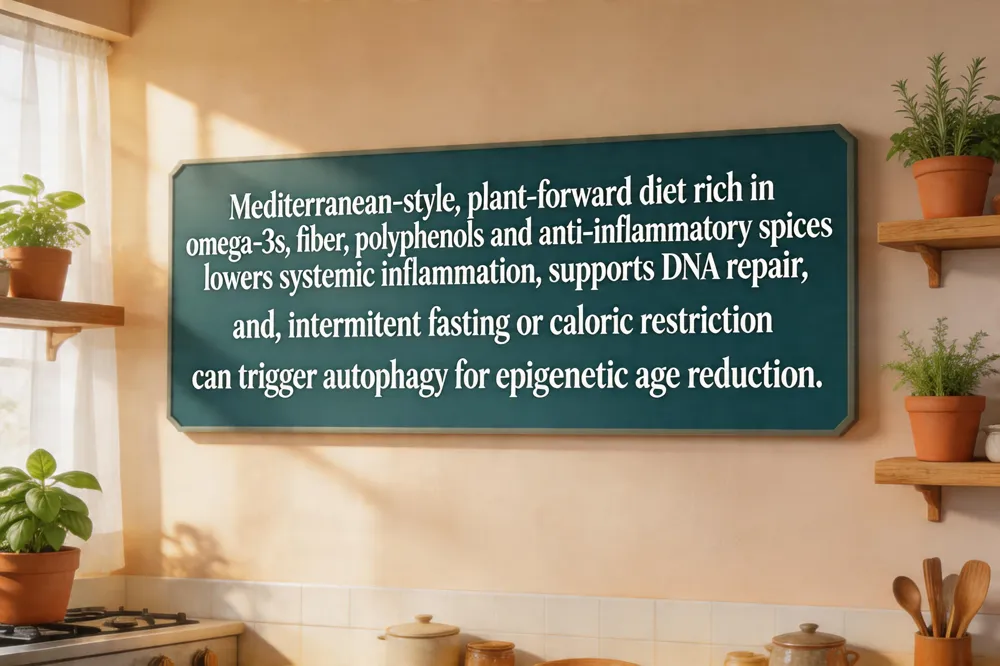 A Mediterranean‑style dietary pattern—abundant in oily fish, olive oil, nuts, seeds, legumes, whole grains, and colorful vegetables—consistently lowers biological‑age markers by reducing systemic inflammation and supporting DNA repair. Omega‑3 fatty acids from salmon, sardines, mackerel, as well as plant sources such as walnuts and flaxseed, provide anti‑inflammatory eicosanoids that blunt age‑related oxidative stress. Plant‑forward foods high in fiber (e.g., dark leafy greens, cruciferous veggies, berries) feed a diverse gut microbiome, improve insulin sensitivity, and deliver polyphenols that favorably modulate epigenetic clocks. Spices like turmeric (curcumin) and ginger add potent anti‑inflammatory compounds that further protect cellular membranes and cholesterol profiles. Caloric restriction and intermittent fasting trigger autophagy and mitochondrial biogenesis, which have been shown to shave years off epigenetic age in short‑term trials.
10 tips for healthy aging – Eat a nutrient‑dense, plant‑focused diet; stay active with ≥30 min daily moderate exercise; prioritize 7‑8 h sleep; manage stress via mindfulness; keep learning and socially engaged; monitor blood pressure, cholesterol, and glucose; avoid smoking and limit alcohol.
Which food reduces biological age? – Antioxidant‑rich, fiber‑dense plant foods combined with omega‑3‑rich fish and anti‑inflammatory spices.
What diet reverses your biological age in 8 weeks? – A calorie‑restricted, plant‑forward (often vegan) diet rich in leafy greens, cruciferous vegetables, nuts, seeds, and low‑glycemic fruit, paired with intermittent fasting, has demonstrated modest epigenetic‑age reductions in pilot studies.
5 factors that influence longevity – 1) Balanced, nutrient‑dense diet; 2) Regular aerobic and resistance exercise; 3) Healthy body weight and metabolic profile; 4) Cognitive engagement and mental stimulation; 5) Avoidance of tobacco and moderate alcohol use.
Sleep, Stress Management, and Mind‑Body Practices
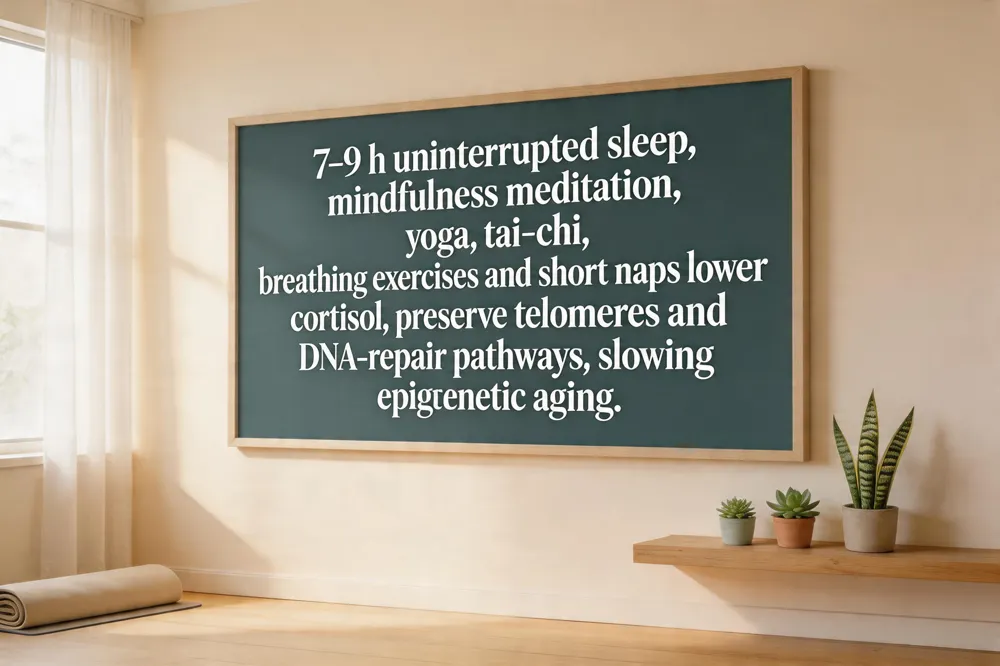 Optimal sleep hygiene—7‑9 hours of uninterrupted rest, a cool dark room, and a regular bedtime‑wake schedule—supports DNA‑repair pathways, balances hormone levels, and preserves telomere length, thereby slowing epigenetic age acceleration. Stress‑reduction techniques such as mindfulness meditation, yoga, and tai‑chi lower cortisol and systemic inflammation, which are major drivers of cellular aging. Short, daily breathing exercises (e.g., 4‑7‑8 or diaphragmatic breathing) and brief daytime naps (10‑20 minutes) further modulate autonomic tone and reduce oxidative stress.
How to reverse aging naturally: eliminate smoking and limit alcohol, prioritize quality sleep and regular aerobic/strength training, follow a nutrient‑dense Mediterranean‑style diet, and consider modest calorie restriction. Use proven antioxidants (vitamin C, E, CoQ10, alpha‑lipoic acid) and monitor biological‑age biomarkers with a longevity‑focused clinician.
Reduce biological age meaning: it refers to lowering the physiological “clock” measured by DNA‑methylation, organ‑function, and inflammatory markers, making tissues function like those of a younger person.
What is the #1 predictor of longevity? objective physical activity captured by accelerometer data outperforms traditional risk factors in forecasting all‑cause mortality.
What are the 5 P’s to avoid for longevity? pizza, pasta, protein (especially animal), potatoes, and pane (bread) – foods that raise insulin and growth‑factor signaling and accelerate age‑related decline.
Monitoring and Measuring Biological Age
 Modern longevity clinics use a suite of diagnostics to quantify functional age. DNA‑methylation clocks such as Horvath, GrimAge and the newer DunedinPACE read epigenetic patterns across hundreds of CpG sites, providing a precise molecular age. Cardiopulmonary exercise testing (CPEX) and VO₂ max measurements give a fitness‑age readout that correlates with cardiovascular and pulmonary reserve. Blood‑based panels—including albumin, creatinine, fasting glucose, hs‑CRP and lipid profiles—track organ health and systemic inflammation, while urinary 8‑oxoGsn reflects oxidative DNA damage. Integrating these data, personalized longevity programs tailor diet, exercise, sleep and stress‑management to each individual’s biomarker profile.
Is it possible to decrease your biological age? Yes. Targeted lifestyle changes—nutrient‑dense foods, regular aerobic and resistance training, restorative sleep, and stress reduction—have repeatedly lowered epigenetic and phenotypic age scores in clinical studies. Ongoing monitoring of >100 biomarkers enables fine‑tuning of interventions and measurable age reversal.
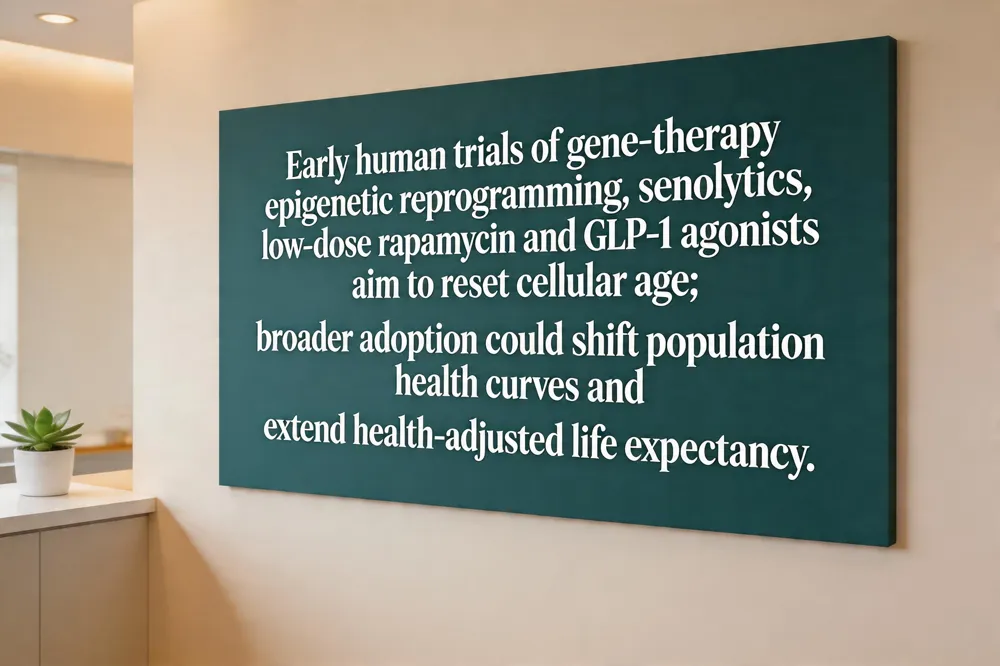
Longevity research breakthrough Recent advances include senolytic drugs that clear senescent cells, intermittent low‑dose rapamycin regimens, and GLP‑1‑based metabolic geroprotectors, all showing health‑span gains in early human trials.
Age reversal human trials In 2026, an FDA‑cleared gene‑therapy study began partial epigenetic reprogramming to restore youthful function in aged ocular tissues, marking the first human test of cellular age reset.
Signs you will live a long life Strong social connections, consistent aerobic activity, a fiber‑rich diet, stable blood pressure, robust grip strength, and avoidance of daily sugary drinks are physiological and behavioral predictors of extended health‑span.
Social Connection, Cognitive Engagement, and Purpose
 Strong social ties and community involvement are repeatedly linked to slower epigenetic aging and lower mortality risk. Regular participation in clubs, volunteering, or group hobbies mitigates chronic stress‑induced cortisol spikes, protecting telomere length and DNA‑methylation patterns. Lifelong learning—learning a new language, instrument, or puzzle—stimulates neuroplasticity, increases gray‑matter volume, and counters age‑related cognitive decline. A clear sense of purpose further reduces inflammatory markers and supports mental well‑being, which together can shave years off biological age.
Healthy aging tips pdf – A concise, evidence‑based PDF typically outlines stress‑management (yoga, journaling), balanced nutrition, physical activity, and fall‑prevention strategies, and links to NIH‑approved resources.
Healthy aging tips and exercises – Blend aerobic (≥150 min/week), resistance (2×/week), balance, and flexibility work (tai chi, yoga) with a Mediterranean‑style diet, 7‑9 h sleep, and regular health screenings.
Healthy aging articles – They emphasize strength training, nutrition, oral health, chronic‑disease prevention, and mental engagement as pillars of personalized longevity programs.
Healthy aging tips for seniors – Encourage daily social interaction, balanced exercise routines, nutrient‑dense meals, hydration, stress‑reduction practices, routine screenings, smoking cessation, and home‑safety modifications to maintain independence.
Weight Management, Body Composition, and Metabolic Health
 Visceral Fat and Its Impact
Visceral adiposity drives systemic inflammation and accelerates epigenetic aging; reducing abdominal fat through regular aerobic activity and a Mediterranean‑style diet lowers biological age by up to nine years in studies.
BMI and Healthy Weight Range
Maintaining a BMI below 25 correlates with a younger phenotypic age and a 15‑20% reduction in all‑cause mortality. Body‑mass indices in the normal range support optimal metabolic and organ function.
Muscle Preservation and Protein Intake
Resistance training (≥2 sessions/week) preserves lean mass and bone density. Consuming 1.0‑1.3 g protein per kilogram body weight daily fuels muscle protein synthesis and mitigates sarcopenia‑related age acceleration.
Bone Density and Weight‑Bearing Exercise
Weight‑bearing activities such as walking, jogging, or dynamic yoga stimulate osteoblast activity, enhancing bone density and reducing fracture risk, a key component of a younger biological profile.
How to live long life without disease
Adopt a plant‑rich Mediterranean diet, exercise 30 min daily, keep BMI < 25, quit smoking, prioritize 7‑9 h sleep, nurture social ties, and engage in preventive screenings.
What is the healthiest way to age?
Blend moderate aerobic cardio with strength training, consume nutrient‑dense foods with adequate protein, stay cognitively active, manage stress, and maintain regular medical check‑ups.
Five factors that influence longevity
- Nutrient‑dense diet 2. Consistent physical activity 3. Healthy body weight/metabolic profile 4. Cognitive engagement 5. Tobacco avoidance and moderate alcohol use.
Emerging Therapeutics and Pharmacological Aids
 Longevity research breakthrough – Recent studies highlight several pharmacologic avenues that are moving toward clinical use. Senolytic agents such as dasatinib‑quercetin, fisetin and other small‑molecule compounds have entered early human trials, showing safety and potential to clear senescent cells, thereby improving healthspan. Metformin and rapamycin, long‑standing metabolic and mTOR‑targeting drugs, continue to demonstrate modest reductions in biological‑age markers and functional benefits in older adults. NAD⁺ precursors (e.g., nicotinamide riboside) have shown modest epigenetic‑age reductions by supporting DNA‑repair pathways. Gene‑therapy approaches that deliver partial epigenetic reprogramming factors are being explored in limited human studies to reset cellular age, though safety and efficacy data remain preliminary.
Age reversal human trials – Human investigations of age‑reversal strategies are nascent. Small‑scale trials of senolytic combinations, intermittent rapamycin dosing, and NAD⁺ supplementation have reported short‑term declines in epigenetic‑age estimates. Early gene‑therapy pilots targeting epigenetic clocks are ongoing, but results are not yet available to confirm clinical impact.
Who is the billionaire obsessed with longevity? – Current peer‑reviewed literature does not identify a specific billionaire linked to a personal longevity experiment; such anecdotal claims lie outside the documented scientific evidence.
Personalized Proactive Longevity Programs
 How to live long life without disease
Adopt a Mediterranean‑style diet rich in fruits, vegetables, whole grains, olive oil, and fish while limiting processed foods and excess red meat. Pair this with at least 150 minutes of moderate aerobic activity weekly, plus strength and flexibility work to preserve muscle, bone density, and mitochondrial health. Maintain a healthy BMI (<25), avoid smoking, and secure 7‑9 hours of restorative sleep. Regular social engagement and stress‑reduction practices (mindfulness, yoga) further lower cortisol and inflammation, slowing epigenetic age acceleration.
How to live long life without disease
Adopt a Mediterranean‑style diet rich in fruits, vegetables, whole grains, olive oil, and fish while limiting processed foods and excess red meat. Pair this with at least 150 minutes of moderate aerobic activity weekly, plus strength and flexibility work to preserve muscle, bone density, and mitochondrial health. Maintain a healthy BMI (<25), avoid smoking, and secure 7‑9 hours of restorative sleep. Regular social engagement and stress‑reduction practices (mindfulness, yoga) further lower cortisol and inflammation, slowing epigenetic age acceleration.
Healthy aging tips for seniors Prioritize balanced nutrition, adequate hydration, and regular physical activity that includes aerobic, resistance, balance, and dynamic flexibility exercises. Engage daily in cognitively stimulating hobbies and maintain strong social connections to protect neuroplasticity. Schedule routine health screenings, vaccinations, and medication reviews; ensure home safety to prevent falls. Adequate sleep and stress‑management are essential for preserving telomere length and immune function.
What are the 7 pillars of healthy ageing?
- Nutrition – nutrient‑dense, whole‑food diet. 2. Exercise – aerobic + strength + flexibility. 3. Mental health – stress‑reduction, lifelong learning. 4. Social engagement – supportive relationships. 5. Sleep – 7‑9 hours/night. 6. Preventive care – regular screenings, vaccinations. 7. Purpose – meaningful activities and goals.
The Medical Institute of Healthy Aging offers comprehensive biomarker panels (DNA methylation clocks, blood‑based age‑related markers), integrates genetics and epigenetics, and provides individualized coaching and nutrition plans to tailor interventions and monitor progress.
Practical Daily Implementation and Safety
 Healthy aging tips pdf – A concise PDF offers evidence‑based recommendations on stress management (yoga, journaling), regular movement (walking, gardening, biking), nutrient‑dense eating, medication review, fall prevention, and links to reputable resources such as the National Institute on Aging.
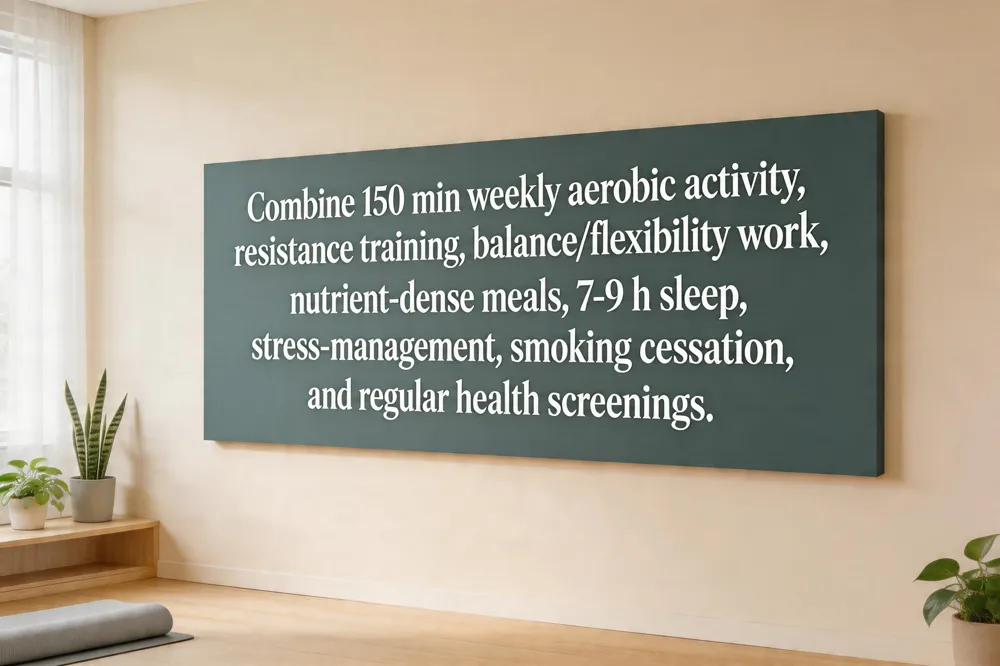
Healthy aging tips and exercises – Combine aerobic, strength, balance, and flexibility work (brisk walking, resistance bands, tai chi, yoga) for at least 150 minutes weekly, follow a Mediterranean‑style diet rich in vegetables, fruits, lean protein and fish, prioritize 7–9 hours sleep, manage stress, stay current on vaccinations and screenings, quit tobacco, and maintain social connections for mental health and longevity.
Future Directions and Outlook
 Age reversal human trials
Human trials testing age‑reversal therapies have finally begun. In early 2026 the FDA cleared Life Biosciences, co‑founded by Harvard’s David Sinclair, to run a gene‑therapy study using partial epigenetic reprogramming. The trial will enroll a dozen participants with glaucoma, delivering three reprogramming genes via a doxycycline‑responsive viral vector. Safety is primary, but success could validate the information‑theory of aging and open larger organ‑targeted studies.
Longevity research breakthrough
Recent breakthroughs include senolytic agents (dasatinib‑quercetin, fisetin) that clear senescent cells, low‑dose intermittent rapamycin regimens improving muscle and pain outcomes, and metabolic geroprotectors (GLP‑1 agonists, SGLT2 inhibitors) showing health‑span gains. Reliable biological‑age biomarkers now enable precise monitoring and personalized longevity plans.
Who is the billionaire obsessed with longevity?
Bryan Johnson, the billionaire biohacker, runs Project Blueprint—a $2 million‑per‑year experiment that has reduced his biological age to that of an 18‑year‑old at 46.
Advancements in epigenetic clock technology
Next‑generation clocks integrate multi‑omics data, improving precision and allowing organ‑specific aging rates. Large‑scale clinical trials on anti‑aging drugs are leveraging these clocks to assess efficacy.
Public health impact
Widespread adoption of proven longevity interventions could shift population health curves, reducing chronic‑disease burden and extending health‑adjusted life expectancy by years.
Bottom Line: Living Younger, Living Better
A growing body of evidence shows that a handful of evidence levers can shave years off your biological age and extend health‑span. Regular aerobic activity (≥150 min/week) and high‑intensity interval training improve mitochondrial function, VO₂ max, and cardiovascular fitness, while resistance training and compound lifts preserve muscle mass, bone density, and testosterone production. A Mediterranean‑style, plant‑forward diet rich in omega‑3 fatty acids, antioxidants, fiber, spices (ginger, turmeric) and gut‑friendly foods supports a youthful epigenome, reduces systemic inflammation, and slows telomere attrition. Consistent sleep (7‑9 h/night) enables DNA repair and hormonal balance; stress‑reduction practices (mindfulness, yoga, breathing exercises) lower cortisol and oxidative stress, which otherwise accelerate epigenetic aging. Social engagement, lifelong learning, and purposeful activities further protect neuroplasticity. Together, these habits translate into lower inflammatory markers, stronger immunity, better cognition, and reduced risk of cardiovascular disease, diabetes, and neurodegeneration—ultimately delivering a higher quality of life and additional years of functional independence. To turn these insights into measurable gains, seek a personalized longevity assessment that integrates epigenetic clocks, blood‑based biomarkers, and functional fitness testing. Tailored feedback will pinpoint your fastest‑aging systems and guide a data‑driven, proactive plan to lower your biological age and maximize health‑span.