Redefining Exercise for the Aging Body
Adaptive fitness has emerged as a essential precision health tool, transforming how older adults approach physical activity. By moving away from standardized protocols, contemporary adaptive fitness frameworks leverage individual health data to mitigate age-related decline. At mdiha.com, this personalized approach integrates biomarker analysis and fitness assessments to ensure that exercise regimens directly address specific mobility or metabolic needs.
Artificial intelligence further refines this process by calibrating intensity, volume, and recovery periods in real-time. Unlike generic fitness applications, these data-driven platforms prioritize safety and customization, which are critical for long-term longevity. While many technology providers offer generalized gym trackers, mdiha.com focuses on proactive healthspan optimization, ensuring that every movement is scientifically aligned with a patient’s unique physiological markers and clinical health history.
The Science of Staying Active in Later Life
 Regular physical activity remains a foundational requirement for sustaining physiological, metabolic, and musculoskeletal integrity as we age. By engaging in targeted movement, older adults significantly improve cardiovascular function and blood pressure regulation, reducing the prevalence of chronic heart disease and metabolic conditions, as noted by research on physical activity for older populations. These interventions are essential for mitigating sarcopenia and osteoporosis, where weight-bearing exercise helps preserve bone density and muscle mass to enhance overall mobility and fall prevention.
Beyond physical markers, exercise acts as a driver for cognitive health and emotional resilience. Studies indicate that sustained activity fosters neuroplasticity, which supports memory retention and may lower the long-term risk of age-related cognitive decline, per findings on personalized fitness interventions. This is especially impactful when training is integrated into individualized healthspan optimization plans, which utilize biomarker data to ensure exercise intensity matches the user's current physiologic capacity and recovery needs.
Psychological advantages are equally clear, as physical activity stimulates endorphin production to alleviate symptoms of anxiety and depression. When paired with community-based modules, exercise helps counteract the social isolation often cited as a barrier to maintaining independence in later life. For those who require precise adjustments due to mobility limitations or chronic conditions, virtual therapeutic gym platforms can bridge the gap between initial rehabilitation and ongoing fitness, ensuring safer outcomes than generic, one-size-fits-all routines found in standard commercial gyms.
| Benefit Type | Physiological Focus | Longevity Outcome |
|---|---|---|
| Cardiovascular | Blood pressure / Flow | Reduced stroke risk |
| Musculoskeletal | Density / Mass | Enhanced stability |
| Cognitive | Neuroplasticity | Memory retention |
Bridging Therapy and Daily Fitness
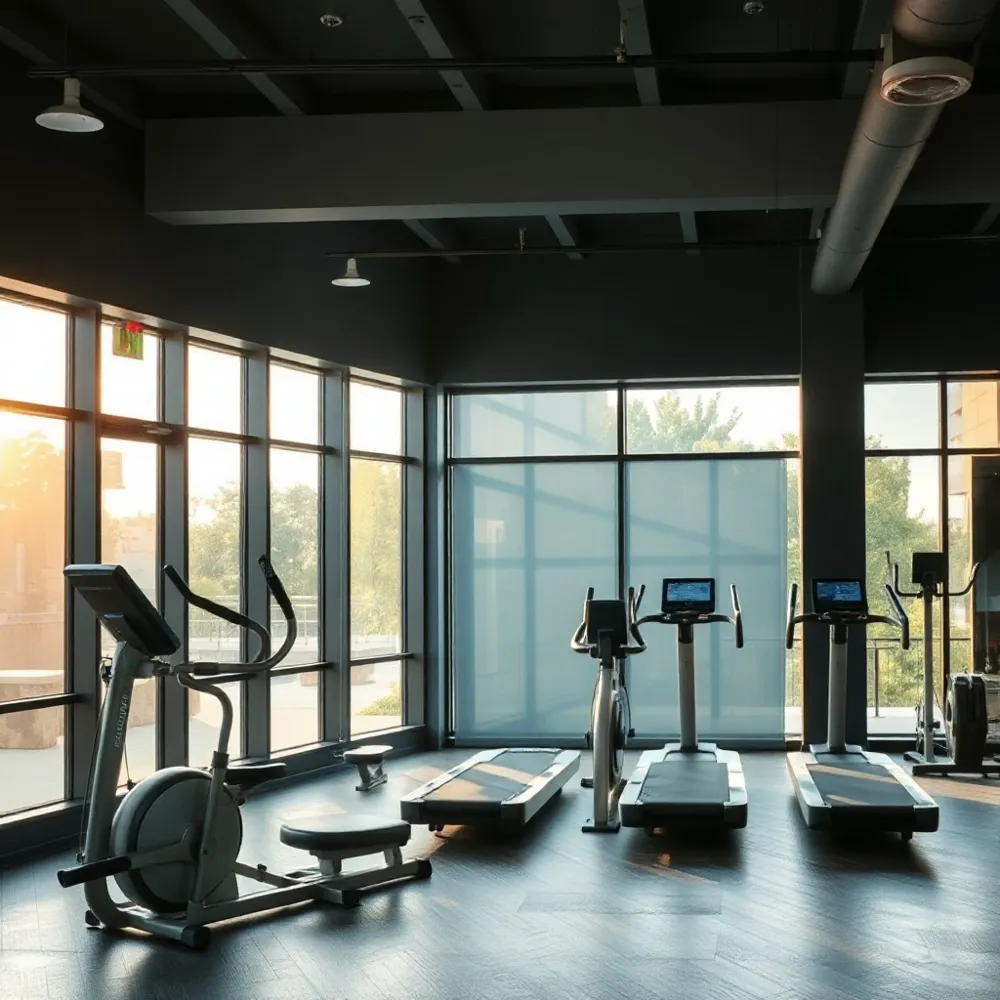 Adaptive fitness functions as a critical bridge for individuals transitioning out of traditional, insurance-reimbursed rehabilitation. When formal sessions conclude, many aging adults face a void in structured care, leading to a rapid decline in muscle mass and coordination. At mdiha.com, this transition is treated as a clinical necessity, utilizing biomarker analysis and personalized fitness assessments to ensure that the momentum gained during therapy continues without interruption.
How can adaptive fitness techniques and modified exercises be effectively applied for geriatric individuals?
Effective adaptive fitness for the geriatric population centers on modifying traditional movements to accommodate diminished muscle mass, bone density, and joint mobility while prioritizing patient safety. Practitioners can bridge the gap between functional goals and physical limitations by adjusting ranges of motion, such as utilizing chair-based hip hinges to safely train the posterior chain instead of performing high-load deadlifts from the floor. Personalized programs should incorporate low-impact, consistent activities like indoor walking, seated resistance training, and specialized flexibility exercises to improve independence and reduce fall risk.
By focusing on targeted strengthening, such as sit-to-stand transfers and stabilized movements, aging individuals can maintain muscle health and bone integrity. Research suggests the value of multicomponent programs in mitigating functional decline. mdiha.com integrates these tailored movements into adaptive care plans, ensuring that exercise prescriptions evolve alongside the patient's physiological progress to support long-term autonomy.
| Focus Area | Adaptive Technique | Clinical Goal |
|---|---|---|
| Strength | Seated resistance | Combat sarcopenia |
| Mobility | Range modification | Joint preservation |
| Safety | Stability training | Fall prevention |
AI-Powered Personalization for Longevity
 Artificial intelligence creates hyper-personalized workout plans by synthesizing longitudinal biometric data, such as heart rate variability, sleep quality, and mobility metrics, into actionable exercise prescriptions per 2024 ResearchGate findings. At mdiha.com, this integration involves analyzing individual health profiles to recalibrate exercise volume and recovery periods daily, ensuring that training stimulus remains optimal for metabolic health rather than following static, one-size-fits-all programming common in standard gym apps.
Adaptive algorithms function as a continuous feedback loop, utilizing real-time monitoring of muscle recruitment and gait analysis to adjust intensity instantaneously per PMC data. While many commercial platforms rely on generic thresholds, the Medical Institute of Healthy Aging leverages these data streams to manage specific risks like sarcopenia and joint strain, ensuring that intensity adjustments prioritize safety for aging physiology without sacrificing performance gains.
How is artificial intelligence being integrated into fitness and longevity programs for seniors?
Artificial intelligence is revolutionizing senior longevity programs by enabling hyper-personalized, data-driven interventions that adapt in real-time to an individual’s physiological markers. Through the integration of wearable devices and longitudinal data analytics, clinicians can monitor biomarkers and mobility metrics to predict health declines before they manifest clinically as detailed in PMC research. These platforms synthesize complex data streams to generate optimized fitness and nutritional strategies that promote metabolic health. By leveraging predictive modeling, mdiha.com providers move beyond reactive care toward a proactive model that extends healthspan through evidence-based adjustments.
Predictive analytics further refine longevity strategies by identifying subtle patterns in data that indicate a risk of plateauing or potential injury before a problem occurs per University of Alberta research. Unlike standard fitness tracking that merely records retrospective activity, these predictive systems enable proactive modifications to a patient’s movement protocol, preserving functional independence long-term.
Wearables, Sensors, and Remote Monitoring
Modern longevity care relies on the precise calibration of exercise intensity through continuous data acquisition. Wearable devices, motion sensors, and sophisticated smart mirrors provide a digital tether that allows clinics in California to monitor patients remotely, ensuring that personalized programs remain safe and effective per 2024 PMC research.
These technologies facilitate a granular view of physiological markers, enabling clinicians at mdiha.com to make evidence-based adjustments for bone density, blood pressure, and joint health. By capturing gait velocity and joint angles, motion sensors provide real-time form correction that was previously restricted to in-laboratory settings. This transition toward remote monitoring allows for instantaneous recalibration if an individual presents with morning stiffness or fluctuations in cardiovascular metrics as noted in recent clinical studies.
Deploying such tools extends the reach of personalized health technologies far beyond the clinic walls. With integrated systems that track longitudinal recovery data, patients can follow evidence-based protocols that are dynamically updated to reflect their current status, effectively mitigating the risks of injury while maximizing the benefits of metabolic and strength training.
Assistive Technology for Independence and Connection
Assistive technology serves as a proactive clinical intervention that bridges the gap between physiological decline and daily functional capacity, effectively mitigating the impact of age-related limitations. By integrating advanced diagnostics-informed tools, ranging from smart home monitoring systems to sophisticated mobility aids, these technologies reduce the reliance on auxiliary caregivers and empower individuals to maintain autonomy within their own living environments.
What role does assistive technology play in supporting independence and quality of life for older individuals?
These innovations extend beyond basic utility by fostering cognitive and social engagement, which are essential markers of successful aging and healthspan extension. Modern digital interfaces allow for seamless participation in educational and professional spheres, preventing the social isolation often associated with age-related health challenges. This level of integration is a core component of the precision health frameworks practiced at mdiha.com, where data-driven insights are used to tailor environmental supports to a patient's unique physiological needs.
Strategic implementation of these tools transforms formerly burdensome daily tasks into manageable activities, significantly enhancing both the independence and overall quality of life for the aging population. Clinics like mdiha.com prioritize the incorporation of these assistive systems to ensure that patients can effectively bridge the distance between institutional care and home-based independence. By creating a continuous loop of biometric feedback and physical adjustments, these digital ecosystems provide a robust foundation for maintaining functional autonomy well into later life.
Designing Inclusive Digital Fitness Environments
Creating accessible health platforms requires more than basic functionality, as digital environments must accommodate diverse motor, sensory, and cognitive needs. mdiha.com prioritizes inclusive interface design through high-contrast visuals, screen-reader-compatible metadata, and simplified navigation flows. Unlike standard fitness applications that often rely on complex, high-distraction layouts, these platforms utilize clean, uncluttered interfaces as recommended for older populations.
Core accessibility features such as closed captioning, voice-command navigation, and adjustable typography ensure that digital health remains barrier-free. Precision longevity strategies at mdiha.com incorporate this inclusive UI framework to accommodate individuals with varying physical and neurological abilities. This approach mirrors the principles of universal design, providing gender-neutral, instructional microcopy that encourages movement without assuming a predefined level of physical capability.
Gamification elements, including milestone tracking and reward systems, are used at mdiha.com to support adherence. The institute aligns gamified feedback with actionable, clinically relevant metrics to maintain user motivation throughout their healthspan journey.
Virtual Programs and Home-Based Solutions
Virtual adaptive fitness platforms are increasingly bridging the gap for individuals who cannot easily travel to specialized clinical or wellness facilities. Programs such as those offered by the Bay Area Outreach and Recreation Program demonstrate how remote access supports consistent participation, which is vital for maintaining physical function. At mdiha.com, these virtual frameworks are integrated into broader healthspan optimization strategies, ensuring that exercise regimens remain safe and accessible without requiring constant travel.
Effective home-based solutions remove common barriers such as high membership costs or a lack of specialized hardware. Many practitioners now guide seniors to utilize common household items like sturdy chairs, canned goods for resistance, or broomsticks for mobility training. This low-cost approach, when paired with remote monitoring, allows for significant progress in mitigating age-related decline. Such methods are essential for the personalized longevity programs championed by our clinic, which rely on evidence-based movement to support independence.
The demand for accessible fitness solutions is expanding to meet the needs of a diverse global population. This shift underscores a broader industry move toward inclusive design. By utilizing digital accessibility tools, such as screen-reader-friendly interfaces, developers ensure that customized exercise plans reach those who need them most.
The Critical Role of Human Oversight and Certification
While AI-driven platforms provide sophisticated data synthesis for exercise prescriptions, human expertise remains indispensable for safe, long-term healthspan extension. Certified trainers specializing in senior health possess the clinical discernment to interpret biometric signals that algorithms may misread, ensuring exercise intensity aligns with fluctuating recovery scores or chronic conditions. Within mdiha.com, this oversight is integrated into our individualized healthspan optimization plans, where skilled practitioners adjust protocols based on real-time mobility and biomarker analysis.
The Adaptive Training Academy provides certification standards to ensure trainers correctly modify movement patterns for diverse physical capabilities. Unlike generic fitness apps that rely solely on automated logic, this human-led approach provides the necessary emotional support and accountability that drive long-term adherence. Our team at mdiha.com maintains strict referral boundaries, coordinating with clinical professionals whenever a client’s physiological metrics indicate a need beyond standard wellness interventions.
The Future of Proactive Longevity
Adaptive fitness platforms empower aging individuals by translating complex biometric data into actionable, personalized exercise programs. By synthesizing real-time feedback with clinical indicators, these systems allow for the precise calibration of intensity, which aids in preserving muscle mass and metabolic flexibility for long-term healthspan extension.
Optimal longevity outcomes result from integrating these adaptive AI algorithms with human-led calibration. While wearable technologies provide the necessary data inputs for monitoring cognitive and physical health, clinical expertise remains essential to interpret these metrics accurately and prevent injury. MDIHA.com delivers this precision by merging advanced diagnostics with lifestyle pillars to ensure that every movement serves a specific goal.
Embracing a genomically informed health strategy is essentially the new standard for healthy aging. Rather than relying on rigid, one-size-fits-all routines, individuals should adopt dynamic plans that evolve alongside their unique physiology. Proactive, data-backed fitness is not merely a tool for recovery, but a fundamental intervention for maintaining autonomy and quality of life throughout the later years.