Why a Data‑First Approach Matters
Laboratory testing is the cornerstone of a modern longevity protocol because it uncovers nutrient deficiencies that are invisible to the diet alone. In the United States more than 50 % of adults lack adequate magnesium,≈ 41 % are vitamin D‑deficient, and many have low B12 or omega‑3 status, as documented by CDC and NIH data. Blood‑based panels—covering 25‑hydroxy‑D, magnesium, B12, hs‑CRP, lipid profiles, and emerging markers such as NAD⁺ or telomere length—provide a personalized map of metabolic health. This map directs supplement selection: a low vitamin D 25‑OH level triggers D3 + K2 (2,000–5,000 IU + 100–200 µg K2), a magnesium deficit prompts 200–400 mg of glycinate, and a low omega‑3 index leads to 2–4 g EPA/DHA. By anchoring each ingredient to a measurable biomarker, clinicians can prioritize evidence‑based nutrients (e.g., high‑quality fish oil, creatine monohydrate, collagen peptides) and avoid unnecessary or potentially harmful additions, ensuring safety, efficacy, and cost‑effectiveness in anti‑aging regimens.
Foundational Supplements and the Vitamin D Advantage
 The current “hot new craze” in anti‑aging is NAD⁺‑precursor supplementation (NMN or NR). While laboratory studies show that NMN can raise NAD⁺ by up to 38 % and improve muscle function, the evidence base is still emerging, and clinicians stress that NAD⁺ boosters should be added only after confirmed deficiencies or specific biomarker goals are identified. In practice, a personalized stack starts with the foundational five, incorporates targeted agents such as collagen peptides, polyphenols (fisetin, quercetin), and, when warranted, NAD⁺ precursors, all guided by serial lab testing and safety checks from resources like the NIH DSLD and ConsumerLab.
Personalized Packs, Custom Formulas, and the Best Companies
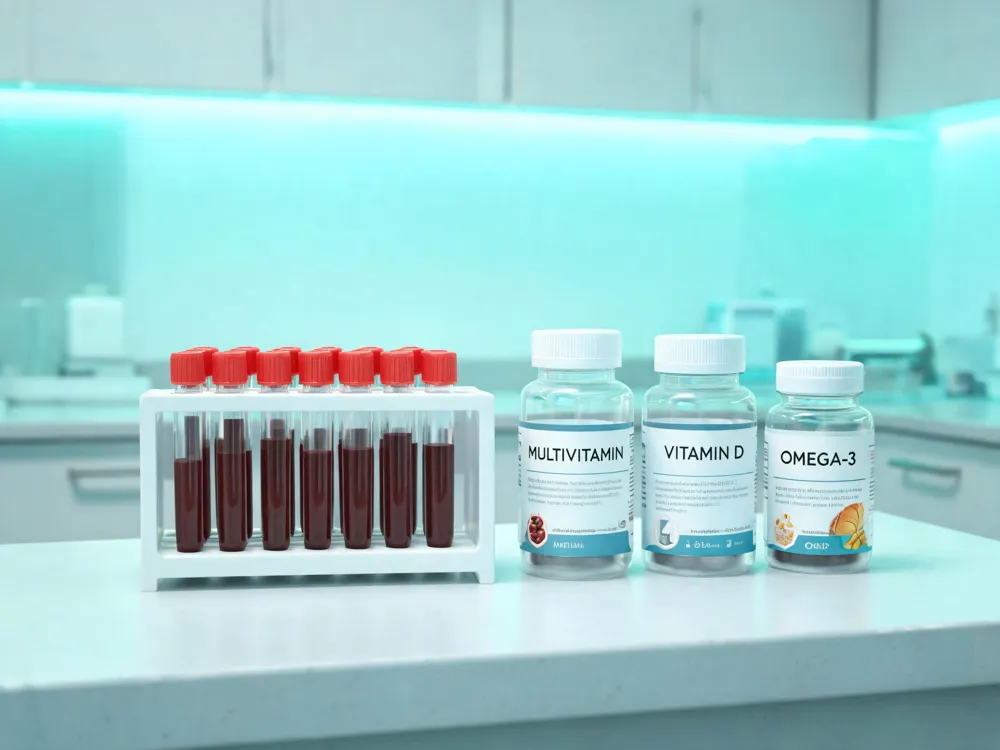 Personalized vitamin packs can be a valuable tool when a person’s laboratory data reveal persistent nutrient gaps that a balanced diet alone does not close. The U.S. CDC reports that >50 % of adults are magnesium‑deficient, and NIH data show that 41 % have low vitamin D levels, so targeted supplementation can correct these widespread deficiencies (Aging Expert Matt Kaeberlein; Prolonging healthy aging). However, because dietary supplements are regulated as foods under the DSHEA and not required to prove efficacy, the market is heterogeneous. Third‑party testing services such as Labdoor and ConsumerLab provide independent analyses of purity and label accuracy, helping consumers avoid products that contain fillers, contaminants, or inaccurate dosages (Labdoor; ConsumerLab). Therefore, personalized packs are worth it only when they are built on objective blood work, selected from manufacturers that follow GMPs, and verified by independent labs.
In 2026 the most reputable personalized‑vitamin brands include VitaminLab (Swiss‑grade granules with up to 35 ingredients), Persona (daily packs generated from a detailed health questionnaire), HUM Nutrition (goal‑specific formulas), and Autumn (full‑spectrum longevity regimens). All of these services integrate the NIH Dietary Supplement Label Database (DSLD) to confirm ingredient identity and dosage, and they routinely publish Certificates of Analysis to ensure compliance with the FDA’s GMP requirements (DSLD; FDA GMP).
Custom‑formulation companies such as Bioniq take personalization a step further by pairing a blood‑test‑driven assessment with a proprietary Swiss‑medic‑certified manufacturing process. Their “Build your Supplement” platform lets users select up to 35 evidence‑backed nutrients—ranging from high‑quality fish oil and magnesium glycinate to senolytic polyphenols—while the company continuously updates the blend based on repeat labs (Medical Institute of Healthy Aging; Kantesti AI). This iterative, data‑driven approach aligns with the emerging consensus that longevity stacks should be tailored to each individual’s biomarker profile rather than a one‑size‑fits‑all regimen.
Dietary Strategies: The 5 P’s, Bryan Johnson’s Menu, and Sinclair’s Tips
 Understanding which foods undermine long‑term health is a cornerstone of modern longevity science. What are the 5 P's to avoid for longevity? The "poisonous five P's" identified by longevity scientist Valter Longo are pizza, pasta, excess protein, potatoes, and pane (bread). These staples, common in Western and Italian diets, can promote obesity, metabolic dysregulation, and inflammation when consumed in excess, thereby eroding healthspan. Substituting them with plant‑based, low‑glycemic options supports cellular repair pathways such as autophagy and improves insulin sensitivity.
What did Bryan Johnson eat to reverse his age? Bryan Johnson’s daily routine starts with a 6:45 am breakfast of a blueberry‑nut mix containing collagen protein, extra‑virgin olive oil, and cocoa. At 9 am he has a second meal of black lentils, broccoli, cauliflower, garlic, herbs and fermented foods. This anti‑aging nutrition plan emphasizes high‑quality protein, healthy fats, polyphenol‑rich berries, and prebiotic vegetables to sustain mitochondrial function, collagen synthesis, and gut microbiome balance.
What are Dr. Sinclair's longevity tips? Sinclair recommends eating only one to two meals per day, engaging in low‑intensity exercise, and reducing or eliminating alcohol and meat to support lifespan and healthspan. By compressing the eating window, he leverages intermittent fasting–like metabolic benefits, while low‑intensity activity preserves muscle mass without overstimulating mTOR. Limiting alcohol and animal protein further reduces oxidative stress and supports NAD⁺‑dependent repair mechanisms. Together, these dietary strategies form a pragmatic blueprint for extending healthspan.
Core Pillars of Healthy Aging and Blood‑Based Anti‑Aging Factors
The 7 Pillars of Anti‑Aging The seven pillars of senior wellness form a holistic blueprint for extending healthspan: (1) Nutrition – a diet rich in micronutrients, omega‑3s, and protein to support cellular repair; (2) Exercise – regular aerobic and resistance training that preserves muscle mass, cardiovascular function, and mitochondrial health; (3) Mental Health – stress‑reduction practices, mindfulness, and cognitive engagement that mitigate neuro‑inflammation; (4) Social Engagement – meaningful relationships that lower chronic inflammation and improve immune resilience; (5) Sleep – 7‑9 hours of restorative sleep to facilitate autophagy and hormonal balance; (6) Preventive Care – periodic blood‑based biomarker panels (CRP, HbA1c, lipid profile, vitamin D, NAD⁺, telomere length) Personalized anti‑aging supplement stacks are built on individual laboratory results that assess biomarkers such as inflammatory markers (CRP, IL‑6), metabolic health (fasting glucose, HbA1c, lipid profile) to detect early dysregulation; and (7) Purposeful Lifestyle – goal‑directed activities that sustain motivation, endocrine health, and overall vitality.
Key Blood‑B Proteins That Influence Aging Recent translational research highlights several circulating proteins that act as systemic regulators of aging:
- Growth Hormone‑Releasing Hormone (GHRH) – an anti‑aging factor that enhances cognition, neurogenesis, and metabolic flexibility.
- CCL11 (Eotaxin) – a pro‑aging chemokine that impairs hippocampal neurogenesis and memory performance.
- Beta‑2‑Microglobulin (B2M) – a pro‑aging protein linked to reduced neurogenesis, cognitive decline, and increased systemic inflammation.
- GDF11 (Growth Differentiation Factor‑11) – an anti‑aging cytokine shown in animal and early‑human studies to reverse cardiac hypertrophy, promote skeletal‑muscle regeneration, stimulate neurogenesis, and improve vascular health.
Monitoring these biomarkers alongside the seven wellness pillars enables a data‑driven, personalized anti‑aging strategy that integrates lifestyle, nutrition, and targeted supplementation for optimal healthspan extension.
Advanced Tiers: Collagen, Senolytics, and Mitochondrial Boosters
A tiered, pyramid‑shaped protocol begins with a foundational layer of multivitamin, vitamin D3 + K2, magnesium, fish oil, and creatine, then adds Tier 3 components that address structural integrity, senescent‑cell clearance, and mitochondrial health.
Collagen peptides (10–20 g/day) supply the glycine‑rich amino acids needed for skin, joint, and bone matrix maintenance. Randomized, placebo‑controlled trials have documented improvements in skin hydration, elasticity, and density, confirming collagen’s role in preserving structural health as individuals age.
Senolytic agents such as fisetin (500 mg), quercetin (100 mg) and urolithin A selectively eliminate senescent cells. Fisetin and quercetin have shown preclinical lifespan‑extension and anti‑inflammatory effects, while a 2022 randomized trial demonstrated that urolithin A enhances muscle strength, exercise performance, and mitochondrial biomarkers in middle‑aged adults. Cyclical dosing is recommended to maximize senescent‑cell clearance while minimizing potential adverse effects.
**Mitochondrial boosters target the cellular powerhouses directly. CoQ10 (100 mg) restores declining electron‑transport capacity, PQQ stimulates mitochondrial biogenesis via PGC‑1α activation, and MitoQ (20 mg) delivers a mitochondria‑targeted antioxidant that improves endothelial function and may reverse vascular aging. Together, these agents support ATP production, reduce oxidative stress, and preserve cellular homeostasis, complementing the foundational nutrients and the broader anti‑aging strategy.
Putting It All Together: Lab Monitoring, Safety, and Quality Assurance
How often should you re-test and adjust your supplement protocol?
A personalized longevity protocol requires regular monitoring. Experts recommend re-testing every three to six months to track changes in key biomarkers. This frequency allows for evidence-based dose adjustments or ingredient substitutions based on objective data. Regular tracking ensures the protocol remains effective and safe as your biology changes over time.
What are the core biomarkers to track?
A data-driven approach focuses on a core panel of biomarkers. 25-hydroxy vitamin D levels ensure optimal dosing for immune and bone health. High-sensitivity C-reactive protein (hs-CRP) monitors systemic inflammation. HbA1c provides a window into long-term blood sugar control and metabolic health. A comprehensive lipid panel (including LDL, HDL, and triglycerides) assesses cardiovascular risk. For advanced tracking, telomere length testing offers a measure of cellular aging.
How can you verify product quality and safety?
Selecting high-quality supplements is critical. The Dietary Supplement Label Database (DSLD) from the NIH allows you to verify the exact ingredients and amounts on a product’s label. For independent quality assessment, look for products with the ConsumerLab (CL) Seal or reviews from Examine, which provide third-party testing results for purity, potency, and contaminants.
| Resource | Primary Function | Key Benefit for Protocol Safety |
|---|---|---|
| Dietary Supplement Label Database (DSLD) | Verify product ingredients and label claims | Prevents ingredient duplication and confirms product composition |
| ConsumerLab.com | Independent testing of supplement quality | Identifies products meeting standards for purity and potency (CL Seal) |
| Examine | Evidence-based supplement analysis | Provides unbiased efficacy, safety, and dosage information |
| FDA GMPs (21 CFR 111) | Regulatory manufacturing standard | Ensures product identity, purity, and freedom from contaminants |
What regulatory standards apply?
In the U.S., manufacturers must follow FDA Current Good Manufacturing Practices (GMPs) to ensure product identity, purity, and strength. Opt for supplements tested by USP or an ISO 17025-accredited lab. Always verify that a Certificate of Analysis (CoA) is available for each batch to confirm it meets quality specifications.
Your Blueprint for a Lab‑Guided Longevity Stack
A tiered, pyramid‑shaped protocol begins with a foundational layer of universally needed nutrients—high‑quality multivitamin, vitamin D3 + K2, magnesium, fish oil (EPA/DHA), and creatine monohydrate. Dosages follow evidence‑based ranges (e.g., vitamin D3 2,000‑5,000 IU, magnesium 200‑400 mg glycinate, fish oil 2‑4 g EPA/DHA, creatine 3‑5 g). Blood work—25‑hydroxy‑D, magnesium, lipid panel, hs‑CRP, HbA1c, and, when available, mitochondrial or telomere markers—confirms deficiencies and guides the first tier. Every 3‑6 months clinicians re‑evaluate these labs, adjusting doses or adding Tier 2 agents such as collagen peptides, polyphenols (fisetin, quercetin) or urolithin A to target skin, joint, or senolytic goals. As personal objectives shift—cognitive vigor, athletic performance, or cardiovascular health—Tier 3 and Tier 4 compounds (NMN/NR, rapamycin, metformin, spermidine) are introduced only after safety review and physician oversight. Professional oversight also includes reviewing potential drug‑nutrient interactions via tools like Examine or ConsumerLab, and confirming product purity through the NIH DSLD or third‑party testing. This approach ensures each supplement is safely added to a longevity plan.