Understanding the Foundations of Preventive and Traditional Healthcare
Overview of preventive medicine
Preventive medicine focuses on maintaining health and preventing disease before symptoms appear. It encompasses a broad range of services, including immunizations, screenings for cancer and chronic conditions, lifestyle counseling, and public health initiatives. This approach prioritizes early detection and health promotion to reduce the incidence and severity of diseases, thereby improving longevity and quality of life. Preventive care also supports public health through immunizations and infectious disease monitoring, which helps curtail disease spread within communities. In the U.S., many preventive services are covered by insurance without cost-sharing, encouraging their utilization.
Definition and scope of traditional healthcare approaches
Traditional healthcare primarily involves diagnosing and treating established diseases through scientifically validated methods, including pharmaceuticals and surgical interventions. These methods are regulated to ensure efficacy and safety. While traditionally reactive—often responding to symptoms—modern traditional care also integrates evidence-based prevention strategies. Additionally, there is rising incorporation of complementary therapies and holistic approaches, such as acupuncture and chiropractic care, to provide more comprehensive patient-centered outcomes.
Importance of proactive health management versus reactive treatment
Proactive health management emphasizes preventing disease onset and managing risk factors before clinical symptoms arise. This strategy leads to improved health outcomes, reduced healthcare costs, and enhanced patient well-being. Conversely, reactive treatment focuses on managing illnesses after they develop, which may result in higher costs and increased morbidity. By integrating preventive care with traditional practices, healthcare systems can shift towards more sustainable and personalized models that address the whole person, including physical, mental, and social health determinants.
Key Facts About Preventive Medicine and Traditional Healthcare Approaches
- Preventive medicine emphasizes immunizations, screenings, and lifestyle counseling to maintain health and prevent diseases.
- Traditional healthcare includes herbal medicine, acupuncture, yoga, and natural therapies, rooted in cultural practices.
- Modern medicine is characterized by scientific diagnostics and targeted treatments, focusing on disease management.
- Integration of traditional and modern medicine is expanding, combining holistic approaches with evidence-based treatments.
- Preventive healthcare reduces chronic disease incidence, lowers healthcare costs, and promotes longer, healthier lives.
- Traditional healthcare methods are often cost-effective, accessible, and personalized, emphasizing whole-person well-being.
- Prevention focuses on risk reduction (vaccinations, screenings), while treatment manages existing health conditions.
- Preventive medicine and primary care are interconnected, with primary care providers implementing preventive services during routine visits.
- Lifestyle medicine concentrates on behavioral changes like diet and exercise to address root causes of chronic diseases.
- Combining preventive medicine with lifestyle medicine offers a comprehensive, proactive healthcare model to improve outcomes.
1. Preventive Medicine: The Proactive Path to Longevity and Health Optimization
Core concepts of preventive medicine
Preventive medicine focuses on maintaining health and preventing diseases before they occur or progress. It encompasses a broad range of services including immunizations, screenings, lifestyle counseling, and health risk assessments. This proactive approach aims to reduce the incidence and complications of chronic diseases by identifying risk factors early and intervening promptly.
Role of screenings, immunizations, and lifestyle counseling
Routine screenings such as blood pressure screenings, cholesterol, diabetes, and cancer tests (mammograms, colonoscopies, cervical cancer screening) are vital tools for early detection. Immunizations protect against contagious diseases like influenza, measles, and COVID-19, contributing to public health safety. Lifestyle counseling addresses behaviors related to diet, physical activity, smoking cessation, and mental health, empowering individuals to adopt healthier habits that reduce disease risk.
Insurance coverage and economic benefits in the U.S.
In the United States, most health insurance plans, supported by provisions like the Affordable Care Act preventive services coverage, cover preventive services at no out-of-pocket cost when obtained through in-network providers. These services include counseling, screenings, and vaccines. This coverage encourages regular health monitoring and early intervention, reducing the need for costly treatments of advanced illnesses. Preventive care not only improves individual health outcomes but also substantially lowers healthcare expenditures by minimizing hospitalizations and complications.
Impact on chronic disease management and healthcare costs
Chronic diseases such as heart disease, cancer, diabetes, and stroke account for a significant portion of morbidity and mortality. Preventive care helps detect these conditions early or even prevent their onset through risk factor modification. Early intervention can slow disease progression, reduce disability, and improve quality of life. Economically, it decreases the enormous direct and indirect costs associated with managing chronic illnesses, which amounted to trillions of dollars annually in the U.S. (Chronic diseases in the U.S.)
Public health implications and community benefits
Preventive medicine extends benefits beyond the individual to the broader community by reducing disease transmission through immunizations and screening programs. Public health initiatives promote accessibility and equity in preventive services, addressing social determinants such as education, income, and transportation barriers. Community engagement fosters health literacy and encourages adherence to preventive practices, ultimately enhancing population health and sustainability of healthcare systems. (Preventive medicine and public health)
Why is preventive healthcare important?
Preventive healthcare identifies and addresses health issues early, significantly reducing the risk of disease, disability, and death. By focusing on screenings, vaccinations, and lifestyle interventions, it lowers healthcare costs and supports healthier, longer lives.
What are some benefits or potential benefits of taking preventive action?
Preventive actions lead to early diagnosis and effective management of health risks, decreasing chronic disease incidence and medical expenses. They also promote overall well-being, quality of life, and empower individuals to control their health outcomes (Benefits of Preventive Medicine).
Is preventative medicine worth it?
Preventive medicine is a worthwhile investment due to its role in early detection and management of health issues. It often comes at minimal or no cost through insurance coverage and prevents severe health crises, reducing emergency care needs and enhancing life quality (Preventive care benefits).
What are the preventative benefits covered by many health plans?
Many U.S. health plans cover essential preventive services including screenings for blood pressure, cholesterol, diabetes, and various cancers; immunizations; and lifestyle counseling for smoking cessation, weight control, and mental health. These benefits ensure accessible preventive care for a broad population (Preventive care services).
2. Traditional Healthcare Approaches: Holistic and Culturally Rooted Practices
What are traditional methods of healthcare?
Traditional healthcare encompasses a diverse range of healing practices rooted in cultural and historical contexts worldwide. These methods include herbal medicine and Ayurveda, acupuncture, yoga, Ayurveda, Siddha, Unani, homeopathy, and naturopathy. Each utilizes natural remedies, lifestyle modifications, and spiritual therapies aimed at restoring balance among mind, body, and spirit. For instance, Ayurveda—originating in India—focuses on individualized treatment through herbal preparations and dietary adjustments. Acupuncture, a pillar of Traditional Chinese Medicine (TCM), involves stimulating specific points on the body to promote healing and energy flow. Yoga, practiced for thousands of years, integrates physical postures, breathing exercises, and meditation to enhance flexibility, strength, and mental calmness.
What are the advantages of traditional health care?
Traditional healthcare methods frequently offer several distinct benefits. They are often cost-effective and accessible, making them valuable in resource-limited settings. Emphasizing patient-centered care, these approaches attend to the whole person rather than isolated symptoms, fostering holistic well-being. They play a prominent role in disease prevention and early intervention through lifestyle counseling and natural therapies. Furthermore, traditional treatments tend to carry fewer side effects compared to conventional pharmaceuticals due to their natural composition and gentler action on the body. This personalized approach nurtures mental, emotional, and physical harmony, improving overall health quality.
What are the differences between traditional medicine and modern medicine?
Traditional and modern medicine differ principally in their paradigms and methodologies. Traditional medicine relies on cultural healing systems, natural products, and holistic care emphasizing prevention, balance, and the interconnectedness of mind, body, and spirit. Conversely, modern medicine centers on empirical scientific research, advanced diagnostics, and targeted treatments, often involving pharmaceuticals and technology to manage and cure disease. Despite these differences, integration efforts have gained momentum, combining strengths of both to enhance patient outcomes. For example, acupuncture is increasingly used alongside chemotherapy to mitigate side effects, illustrating integrative healthcare's potential.
What are the benefits of a holistic approach to healthcare?
A holistic healthcare approach considers the full spectrum of patient health—physical, mental, emotional, and spiritual aspects—rather than isolated symptoms. This model combines conventional treatments with complementary modalities like meditation, yoga, nutritional guidance, and stress management techniques. Holistic care aims to uncover and address underlying causes of illness while empowering patients with self-care strategies. This results in reduced reliance on medication and improved treatment adherence. Mental health benefits include reduction of anxiety and depression, while physical improvements encompass enhanced flexibility, cardiovascular function, and immune resilience. Holistic medicine's comprehensive nature aligns with preventive care principles and supports long-term wellness.
Integration and evidence-based validation efforts
Efforts to integrate traditional healthcare with modern medicine are expanding globally. In countries like India, government initiatives promote combining Ayurveda, Yoga, and other traditional systems with contemporary medical practices to offer inclusive care (Ministry of AYUSH initiatives). Scientific validation of traditional methods is progressing, with clinical studies substantiating benefits of practices such as acupuncture and yoga. This evidence-based approach encourages acceptance within mainstream healthcare, improving patient access to holistic options. The integration supports personalized care plans that consider patient preferences and cultural contexts while adhering to rigorous safety and efficacy standards.
| Aspect | Traditional Healthcare | Modern Medicine | Integration Benefits |
|---|---|---|---|
| Approach | Holistic, natural, culturally rooted (Ancient healing practices) | Scientific, diagnostic, technologically advanced | Comprehensive, patient-centered (Integrative medicine approaches) |
| Focus | Prevention, balance of mind-body-spirit (Disease prevention strategies) | Disease diagnosis and treatment (clinical preventive services) | Early intervention and wellness promotion (Preventive medicine overview) |
| Treatments | Herbal remedies, acupuncture, yoga, lifestyle (Complementary health approaches | Pharmaceuticals, surgery, evidence-based therapies (Evidence-based health practices | Complementary use enhances outcomes (Integrative health |
| Side Effects | Generally fewer (Fewer side effects of traditional medicine) | Possible higher, includes drug reactions | Safer combined protocols |
| Accessibility | Often cost-effective, accessible in communities (Affordable healthcare practices | High-tech, may be costly or less accessible | Broader patient reach |
| Patient Empowerment | Emphasizes self-care, lifestyle changes (Prevention and empowerment in health | Sometimes passive treatment model | Enhanced engagement and adherence (Patient-centered care in integrative medicine |
Difference Between Prevention and Treatment in Healthcare
What is the difference between prevention and treatment in health care?
Prevention and treatment serve distinct yet complementary functions within healthcare systems. Prevention focuses on reducing the risk of disease occurrence before symptoms appear. This includes proactive measures such as lifestyle modifications, vaccinations, and routine screenings designed to detect health issues at an early, more manageable stage.
Conversely, treatment addresses existing health conditions and aims to manage symptoms, control disease progression, and improve patient quality of life. It is typically reactive and involves interventions such as medications, surgery, or rehabilitative therapy.
Both prevention and treatment are essential components of comprehensive healthcare. Prevention reduces the incidence and severity of diseases, thereby minimizing healthcare costs and improving population health outcomes. Treatment complements this by managing acute or chronic conditions that may arise despite preventive efforts, ensuring patient recovery and ongoing care.
An integrated healthcare approach often combines preventive strategies with effective treatment plans to maintain overall health and well-being over a lifetime.
Distinguishing Preventive Medicine and Primary Care
What is the difference between preventive medicine and primary care?
Preventive medicine primarily focuses on health promotion and disease prevention through services such as immunizations, screenings (e.g., blood pressure, cholesterol, cancer), and lifestyle counseling aimed at early detection and maintenance of health. Its goal is to identify risk factors and intervene before illnesses develop, helping individuals avoid or manage chronic conditions.
Primary care providers (PCPs) play a central role in delivering preventive medicine by integrating these services into routine visits. PCPs diagnose and treat active illnesses while coordinating overall patient care, ensuring that preventive measures are personalized and updated according to age, gender, and risk factors.
Preventive services are incorporated into primary care visits as part of a holistic approach to health. These include annual physical exams, immunizations, cancer screenings, and behavioral counseling. The collaboration between preventive medicine strategies and primary care providers facilitates comprehensive health management that addresses physical, mental, and social well-being.
Together, preventive medicine and primary care cooperate to optimize patient outcomes by emphasizing early disease detection, health maintenance, and patient empowerment. This integration supports longevity and quality of life, aligning with modern healthcare models that prioritize proactive and personalized care.
Comparing Preventive Medicine and Lifestyle Medicine
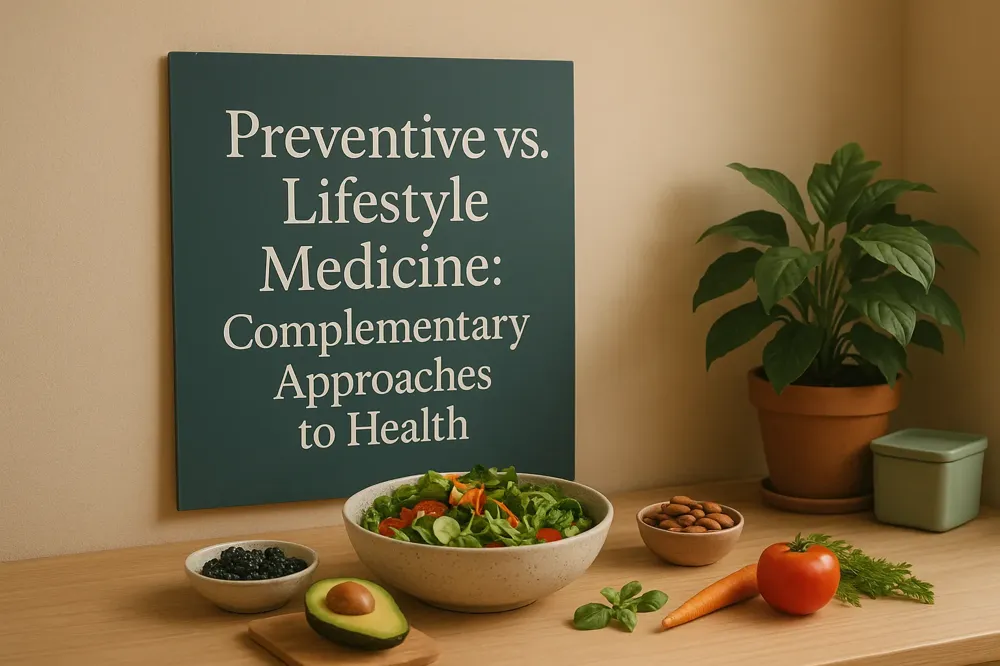
What is preventive medicine?
Preventive medicine overview is a medical specialty dedicated to promoting health and preventing disease across all ages. It encompasses a wide range of services such as immunizations and disease screenings, screenings (blood pressure, cholesterol, cancer screenings), lifestyle counseling, and early detection strategies. Its primary goal is to reduce the incidence and impact of diseases before symptoms arise, thereby improving longevity and quality of life.
What defines lifestyle medicine?
Lifestyle medicine definition is a focused subset within preventive medicine that emphasizes evidence-based interventions centered on behavioral changes. These include adopting a whole-food, plant-predominant diet, engaging in regular physical activity, managing stress, ensuring restorative sleep, avoiding risky substances, and fostering positive social connections. Lifestyle medicine specifically targets chronic diseases by addressing their root causes rather than solely managing symptoms.
How do these approaches complement each other?
Preventive medicine provides a broad framework of health promotion and early disease detection, while lifestyle medicine offers personalized strategies to prevent, treat, and even reverse chronic conditions through sustainable behavior modifications. The synergy of both approaches supports a comprehensive model of care that advances holistic health, combining screenings and medical interventions with proactive lifestyle management to optimize outcomes.
| Aspect | Preventive Medicine | Lifestyle Medicine | Integration Benefits |
|---|---|---|---|
| Scope | Broad disease prevention and screening | Focused on behavioral lifestyle changes | Holistic prevention and chronic disease reversal |
| Methods | Immunizations, screenings, early interventions | Diet, exercise, stress management, sleep | Combines early detection with root cause treatment |
| Target Conditions | Infectious diseases, chronic diseases | Primarily chronic diseases like diabetes, heart disease | Enhanced patient outcomes and quality of life |
Together, these disciplines embody a proactive healthcare paradigm that prioritizes maintaining health and addressing chronic diseases at their core through evidence-based, personalized care.
Integrating Preventive and Traditional Healthcare for Optimal Wellbeing
Comparative Insights on Preventive and Traditional Medicine
Preventive medicine emphasizes early detection, health promotion, and disease prevention through routine screenings, immunizations, and lifestyle counseling. Traditional medicine, including alternative therapies such as acupuncture, herbal remedies, and yoga, focuses on holistic care, addressing mind, body, and spirit.
Benefits of Combining Approaches
Integrating preventive care with traditional practices allows for comprehensive health strategies that empower individuals and improve outcomes. This combination enhances early disease detection while supporting mental and physical well-being, stress reduction, and chronic disease management.
Future Prospects in Personalized Care
Advancements in molecular medicine and growing evidence support personalized preventive interventions alongside traditional therapies. These integrative models promote healthspan extension, resilience, and address individual risk factors in a culturally sensitive manner.
Promoting Balanced Integration
Encouraging collaboration between conventional and traditional health providers fosters patient-centered care. Balanced integration facilitates optimized health outcomes by combining scientifically validated preventive measures and holistic treatments, thus advancing overall healthcare quality and accessibility.