Why Biological Age Matters for the Brain
Biological age reflects the physiological state of an organism and can differ markedly from chronological years. It is quantified using biomarkers such as DNA‑methylation (epigenetic clocks), telomere length, and systemic inflammation markers (e.g., IL‑6, CRP). Studies consistently show that a younger biological age predicts better performance on memory, processing speed, and executive‑function tests, while an older biological age is associated with reduced hippocampal volume, white‑matter hyperintensities, and higher dementia risk. Interventions that shift biological age include regular aerobic and resistance exercise, Mediterranean‑style or calorie‑restricted diets, adequate 7‑9 hours of sleep, stress‑reduction practices (mindfulness, breathing), and targeted supplementation (omega‑3 fatty acids, NAD⁺ precursors). Multimodal programs that combine these lifestyle factors with personalized monitoring of biomarkers have demonstrated 1‑3‑year reductions in epigenetic age and concurrent gains in cognitive test scores, underscoring the therapeutic potential of addressing biological age to preserve brain health.
Foundations of Biological Age and Cognitive Health
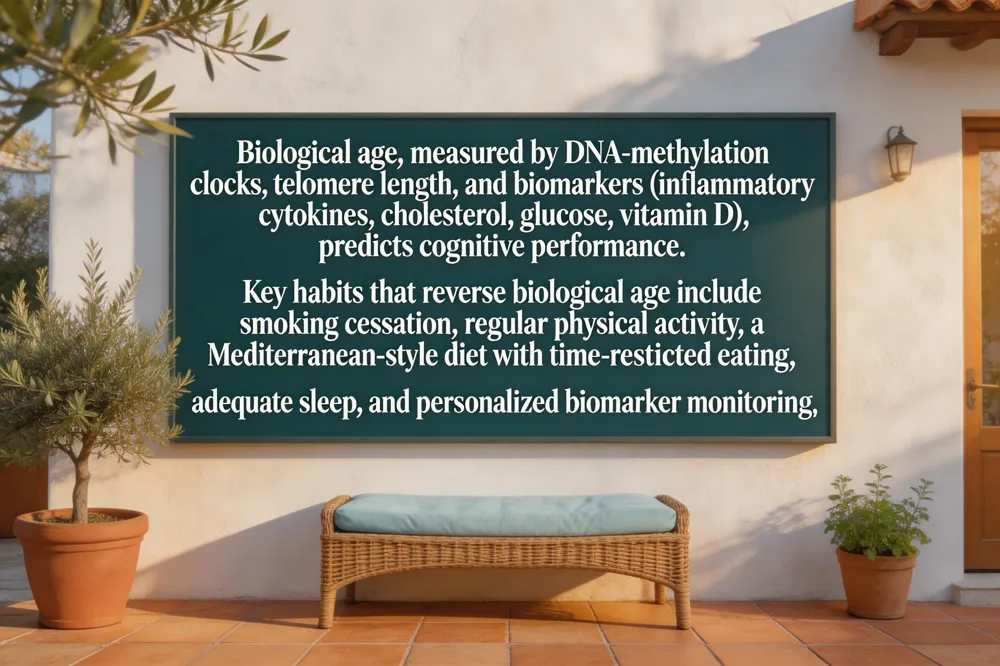 Biological age reflects physiological health using biomarkers such as DNA‑methylation clocks, telomere length, inflammatory cytokines, cholesterol, glucose, and vitamin‑D status. Epigenetic clocks (e.g., Horvath, PhenoAge) predict cognitive performance because they capture cellular damage that translates into reduced hippocampal volume, slower processing speed, and lower executive function. Longitudinal cohort data reveal that subtle cognitive slowing can be detected in healthy adults as early as their 20s–30s, with brain‑age gaps emerging well before clinical dementia. The most powerful habits for extending healthspan are smoking cessation (the single biggest mistake that accelerates aging) and regular physical activity, which is the only activity consistently shown to reduce cognitive decline. A Mediterranean‑style diet rich in leafy greens, berries, fish, and healthy fats, combined with time‑restricted eating, short fasting‑mimicking periods, adequate 7‑9 hours sleep, and personalized biomarker monitoring, can naturally reverse biological age by up to two decades. Use a biological‑age calculator to translate lab results into a phenotypic age, guide individualized interventions, and track progress toward a younger, healthier physiological state.
Nutrition Strategies for Brain and Aging
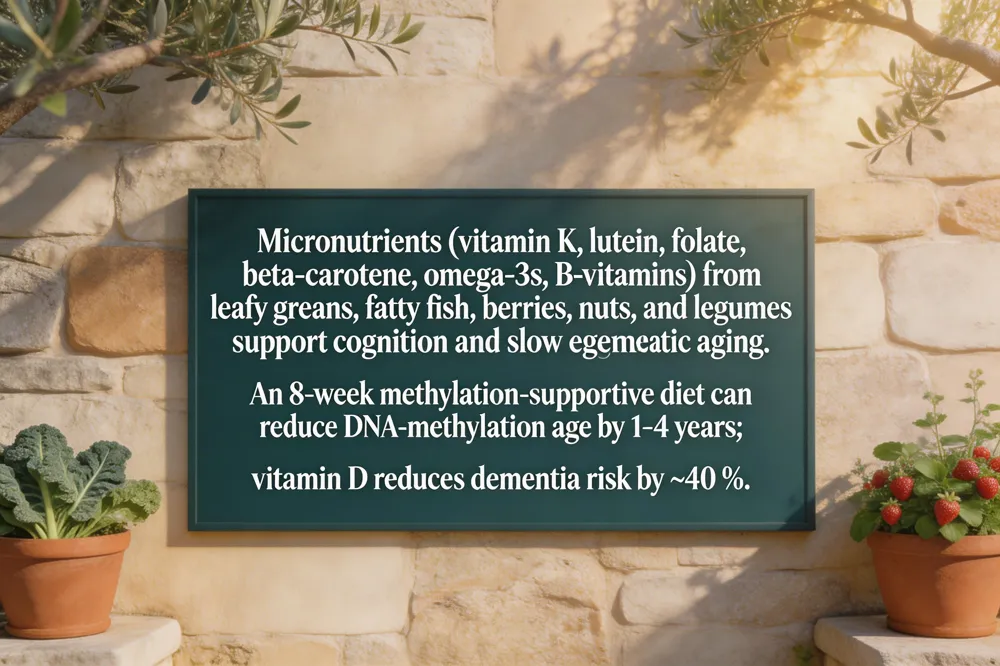 Micronutrients that support cognition include vitamin K, lutein, folate, and beta‑carotene from leafy greens (kale, spinach, broccoli); omega‑3 fatty acids (DHA/ALA) from fatty fish, walnuts, flaxseeds, and avocados; flavonoid‑rich berries that improve cerebral blood flow; and B‑vitamins (B6, B12, choline) from eggs and grass‑fed meat, all of which protect neuronal membranes and reduce inflammation.
Mediterranean‑style diets—rich in whole grains, legumes, olive oil, nuts, fish, and vegetables—are linked to slower epigenetic aging and a 20‑25 % decline in all‑cause mortality; they also preserve brain volume and lower dementia risk.
Short‑term interventions that reverse epigenetic age include an eight‑week methylation‑supportive program combining dark leafy greens, cruciferous vegetables, berries, nuts, fatty fish, probiotic foods, and daily breathing exercises; studies report reductions of 1–4 years in DNA‑methylation age.
Omega‑3s, antioxidants, and methylation‑supporting foods supply DHA, EPA, polyphenols, folate, and B‑vitamins that enhance synaptic health, lower inflammatory cytokines, and promote healthy DNA methylation patterns.
Answers to key questions: • Foods that improve cognitive function: leafy greens, fatty fish, walnuts, blueberries, coffee, dark chocolate, whole grains, legumes, olive oil, and eggs. • What diet reverses biological age in 8 weeks? A plant‑forward, methylation‑supportive diet with the above foods and intermittent fasting has shown measurable epigenetic age reductions. • How to reverse biological age with diet: follow a methylation‑rich eating plan, add probiotics, practice periodic fasting‑mimicking, and pair with sleep, exercise, and stress‑reduction. • Vitamin that cuts dementia risk by 40 %: vitamin D, achieved through sun exposure, fortified foods, or supplementation. • Nine powerful ways to reverse aging: regular aerobic & resistance exercise, Mediterranean diet, adequate protein & vitamin D, 7‑9 h sleep, stress management, smoking/alcohol avoidance, social engagement, routine health screenings, and personalized longevity programs.
Mind‑Body Practices and Lifestyle
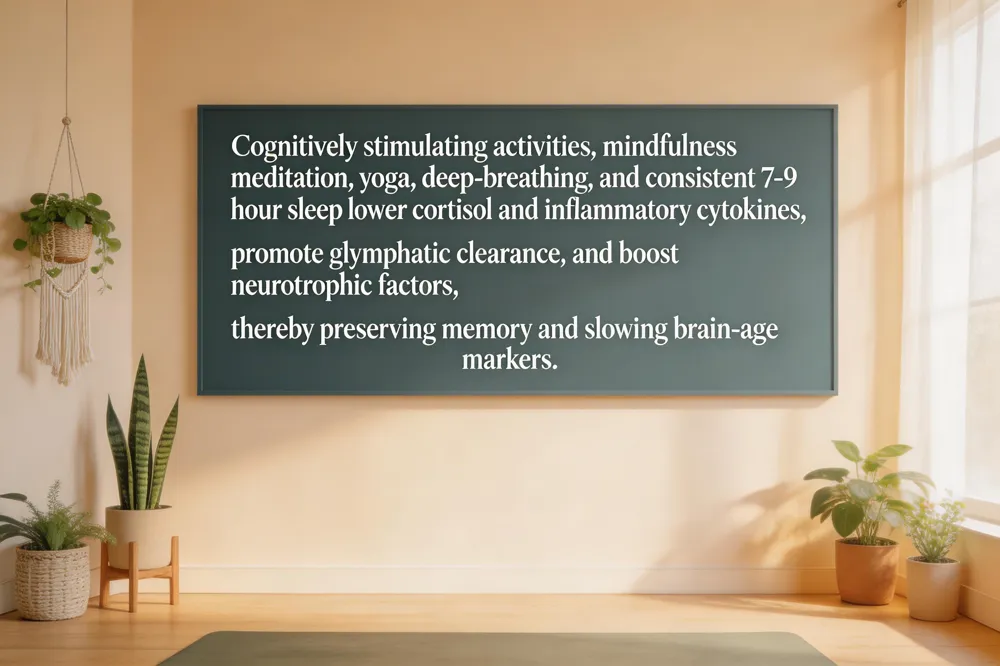 Reading and other cognitively stimulating activities activate neural circuits that preserve episodic and working memory, slowing age‑related decline (Harvard Health). Regular mental engagement—whether through books, puzzles, or learning new skills—strengthens attention, reasoning, and executive planning, thereby improving overall cognitive function (Mayo Clinic, CDC). Stress‑reduction techniques such as mindfulness meditation, yoga, and deep‑breathing lower cortisol and inflammatory cytokines (IL‑6, CRP), which are linked to slower epigenetic aging and better memory consolidation (Harvard Health, NIH). Consistent sleep hygiene—aiming for 7‑9 hours of quality sleep—supports glymphatic clearance of neurotoxic waste, reduces brain‑age markers, and enhances attention and processing speed (HHS.gov, CDC. A brief seven‑minute routine that combines diaphragmatic breathing, rapid cognitive challenges, and a short burst of high‑intensity movement can boost brain‑derived neurotrophic factor, sharpening mental performance within weeks (Mayo Clinic). Together, these mind‑body practices form a core pillar of healthy aging, complementing nutrition, physical activity, and social connection to maintain a younger biological age and robust cognitive health.
Exercise, Physical Activity, and Cognitive Gains
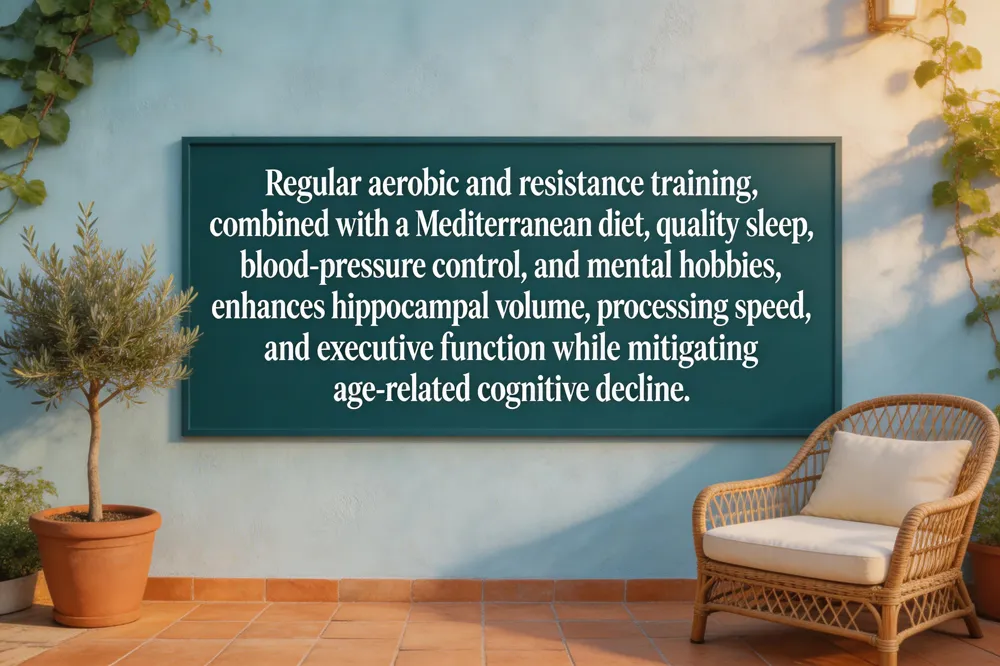 How to improve cognitive function in elderly: Combine aerobic exercise, a Mediterranean‑style diet, 7‑9 h sleep, blood‑pressure control, and mentally stimulating hobbies; maintain social connections and review medications to protect brain health.
How to reverse aging at 40: Adopt a mixed program‑resistance workout plan, eat omega‑3‑rich whole foods, ensure quality sleep, quit smoking, limit alcohol, and monitor biomarkers with a clinician for targeted supplements.
Age‑related cognitive decline symptoms: Forgetting recent events, word‑finding difficulty, slower problem‑solving, and mood changes signal early decline; seek evaluation if daily function is affected.
Cognitive decline by age: Processing speed, working memory, and attention gradually slow after the 30s, with noticeable changes in the 60s, driven by brain volume loss and neuronal alterations.
Cognitive changes in aging: Vocabulary and knowledge expand, while speed, multitasking, and episodic memory decline modestly; lifestyle engagement can mitigate these effects.
#1 mistake that will make you age faster: Smoking, which accelerates inflammation, damages DNA, and hastens biological aging across systems.
Clinical Interventions and Longevity Clinics
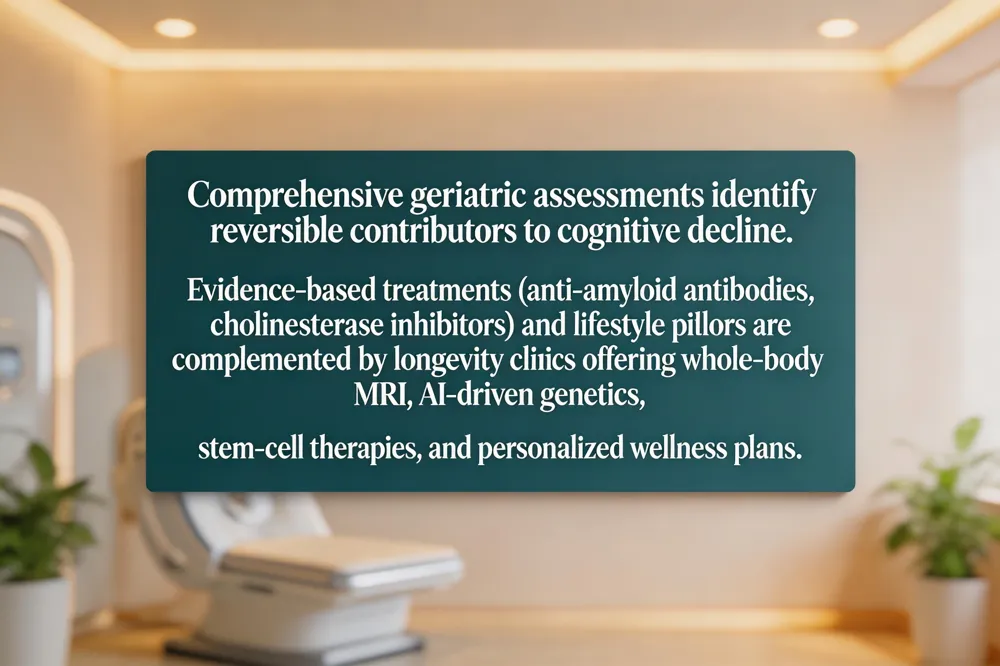 Comprehensive Geriatric Assessment
A thorough evaluation—medical history, neurological exam, labs, brain imaging, and functional tests—identifies reversible contributors to cognitive decline (e.g., vitamin B12 deficiency, thyroid dysfunction, medication side‑effects). This assessment guides personalized interventions.
Evidence‑Based Treatments for Cognitive Decline
When mild cognitive impairment or early Alzheimer’s is detected, FDA‑approved disease‑modifying agents (e.g., anti‑amyloid antibodies) may be considered alongside symptomatic therapies such as cholinesterase inhibitors and memantine. Lifestyle measures—150 min/week aerobic exercise, Mediterranean‑style diet, optimal cardiovascular risk control, and regular cognitive‑stimulation activities—are essential adjuncts that preserve function and may lower biological age markers.
Top Longevity Clinics and Their Services
- Fountain Life (USA) – whole‑body MRI, AI‑driven genetic testing, stem‑cell therapies; programs start ~ $20,000 yr.
- Synergy Life Centers – cost‑effective IV therapy, hormone balancing, personalized wellness plans.
- Healthy Longevity Clinic – extensive health assessments, regenerative therapies, lifestyle coaching.
- Premium Longevity Clinic – multi‑omics testing, Longevity Roadmaps.
Cost and Value Considerations
Investments range from $10 k to $150 k annually. Value hinges on the clinic’s scientific rigor, physician expertise, and evidence‑backed protocols. For individuals prioritizing proactive health‑span extension and able to shoulder the expense, the potential to detect early disease, tailor interventions, and reduce biological‑age gaps can outweigh costs; otherwise, conventional preventive care may be more practical.
Personalized Assessment and Future Directions
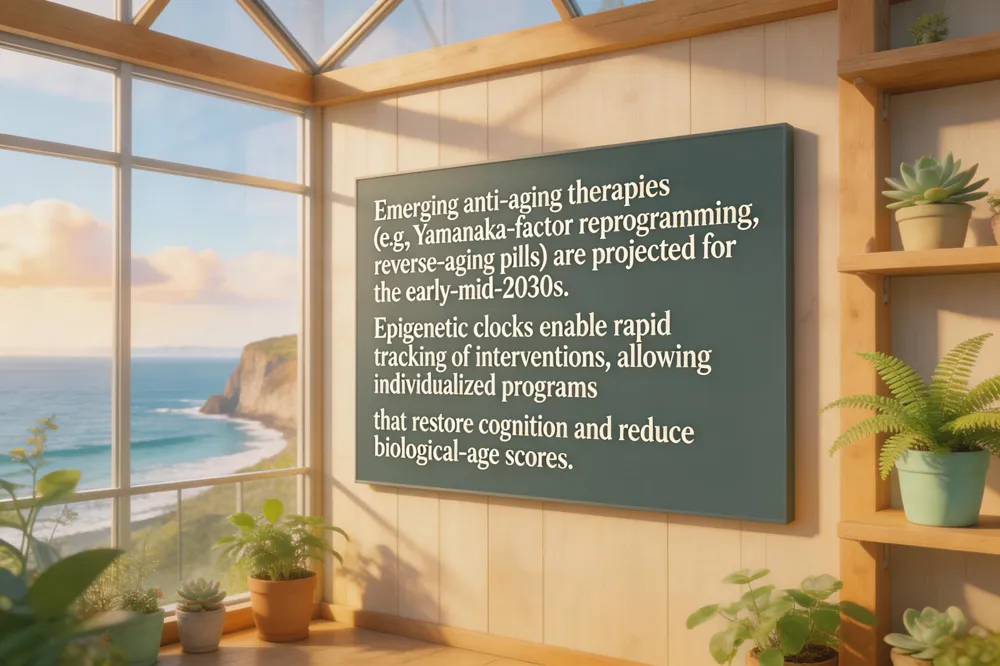 When will reverse aging be possible?
Scientists anticipate practical age‑reversal therapies emerging in the early‑to‑mid‑2030s. Dr. David Sinclair predicts reverse‑aging pills by ~2035, supported by Yamanaka‑factor reprogramming successes in mice and early human trials. Precise epigenetic clocks (e.g., Horvath DNA‑methylation) now allow rapid validation of rejuvenation effects.
Can you regain your cognitive function?
Yes. Regular aerobic and resistance exercise, a Mediterranean‑style diet, and optimal control of vascular risk factors boost hippocampal volume and neurogenesis. Mentally stimulating activities—learning languages, instruments, or puzzles—enhance neuroplasticity. Combined, these interventions can restore and preserve memory, processing speed, and executive function into older age.
Age‑related cognitive decline treatment
A comprehensive geriatric assessment identifies reversible contributors (e.g., B12 deficiency, medication effects). Disease‑modifying agents (anti‑amyloid antibodies) and symptomatic drugs (cholinesterase inhibitors) are used when appropriate. Lifestyle pillars—exercise, diet, sleep, stress reduction, and social engagement—are essential adjuncts that slow decline and improve quality of life.
Biological‑age test
Epigenetic clocks estimate cellular age from DNA‑methylation patterns. Clinics such as the Medical Institute of Healthy Aging incorporate these tests into personalized longevity programs, tracking interventions (exercise, nutrition, sleep, stress management) and guiding adjustments to reduce biological‑age scores and enhance cognitive health.
Putting It All Together: A Roadmap to a Younger Brain
Recent evidence shows that combining targeted nutrition, regular physical activity, and evidence‑based clinical interventions can reverse biological aging and boost cognition. A Mediterranean‑style diet rich in omega‑3s, antioxidants, and methyl‑donors supports epigenetic health, while aerobic and resistance training improve hippocampal volume and processing speed. Clinical programs that add hormone optimization, peptide therapy, and biomarker monitoring further accelerate epigenetic age reduction. In trials participants achieved 2‑3‑year epigenetic gains and 15‑20 % improvements on standardized cognitive tests. To apply these gains, seek an assessment at the Medical Institute of Healthy Aging, where multi‑omics profiling guides a longevity plan.