Introduction
Age‑specific wellness matters because physiological changes—such as the 1 % annual loss of muscle mass after age 40, declining bone density, and altered sleep architecture—accelerate risk of chronic disease and cognitive decline. The five pillars of healthy aging—nutrition, movement, sleep, stress management, and preventive care—provide an evidence‑based framework for mitigating these risks. A Mediterranean‑style, nutrient‑dense diet rich in fiber (25‑31 g/day) and protein (1.0‑1.2 g/kg) supports muscle preservation and anti‑inflammatory pathways, while the U.S. DHHS recommends at least 150 minutes of moderate aerobic activity plus twice‑weekly resistance training to counter sarcopenia. Quality sleep of 7‑9 hours and regular stress‑reduction practices (meditation, deep‑breathing) protect cardiovascular and cognitive health. Preventive care, including annual blood‑pressure, cholesterol, and diabetes screens, colonoscopy at 45, and mammograms from 40, enables early disease detection. The Medical Institute of Healthy Aging tailors longevity plans by integrating these pillars with individualized lab testing, genetic risk profiling, and lifestyle coaching, ensuring each patient’s program aligns with their unique biological age and health goals.
Optimizing Health in Your 30s
 In the third decade the body begins a subtle metabolic slowdown and the earliest signs of sarcopenia. Basal metabolic rate drops a few percent each year, making weight gain easier and muscle loss (~1 % per year) probable if unopposed. A plant‑forward, Mediterranean‑style diet rich in fruits, vegetables, whole grains, lean protein and healthy fats supplies antioxidants (vitamin C, polyphenols) that preserve collagen, support gut health and blunt inflammation. Aim for 150 minutes of moderate‑intensity aerobic activity (brisk walking, cycling) or 75 minutes of vigorous work weekly, plus resistance training on ≥2 days to counteract muscle loss, improve bone density and maintain insulin sensitivity. Sleep of 7–9 hours, consistent bedtime, limited evening screens, and a cool, dark bedroom are essential for hormone regulation and cognitive reserve.
How to look younger at 30 naturally – Apply broad‑spectrum SPF 30+ daily, hydrate skin with hyaluronic‑acid moisturizers, consume antioxidant‑dense foods, stay active, get adequate sleep, and avoid tobacco/alcohol.
Anti‑aging tips for women – Daily sunscreen, water intake, vitamin‑C serum, retinol at night, regular exercise, balanced nutrition and, when appropriate, dermatologist‑guided procedures.
Body changes (female) – Slower metabolism, early sarcopenia, modest bone‑density loss, collagen decline, hormonal shifts; mitigated by strength training, protein 1.0‑1.2 g/kg, calcium/vitamin D, and routine screenings.
Body changes (male) – Declining VO₂max, modest testosterone drop, reduced flexibility, early muscle loss; addressed with aerobic work, resistance training, adequate protein and lifestyle stress‑reduction.
Daily routine for a 30‑year‑old man – Hydration + brief meditation at 6 a.m., 30‑minute mixed‑modal workout, protein‑rich breakfast, journaling goals, frequent movement breaks, limit evening screens, gratitude reflection before sleep.
Health in your 30s (female) – Nutrient‑dense diet, 150 min/week exercise, 7–9 h sleep, annual well‑woman visit, SPF protection, proactive fertility discussions.
Health tips for a 30‑year‑old man – 7–8 h sleep, strength + cardio, balanced diet, moderate alcohol, no smoking, yearly primary‑care visit, mental‑health monitoring and social connection.
Mid‑Life Foundations: 40s Wellness
 What to expect at age 40 for women
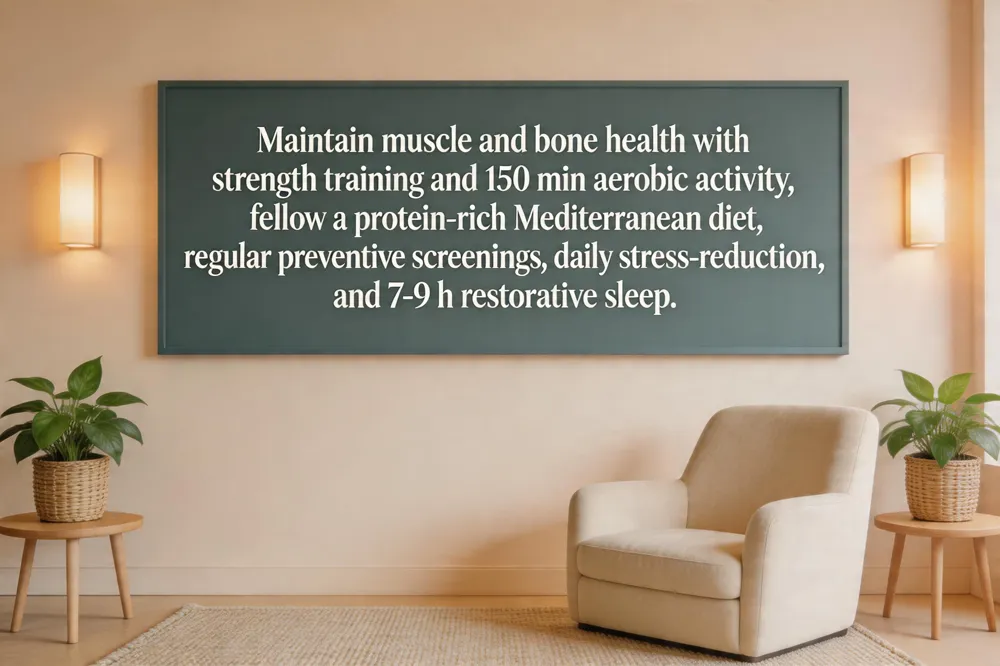
Around age 40 women begin to notice a gradual metabolic slowdown, modest weight gain, and a shift of fat toward the waist. Estrogen decline can cause skin loss of, fine fine lines, increased can and occasional bladder‑supporting muscle weakness, leading to mild leaks. Bone density starts to dip, making strength‑training and calcium intake essential. Regular preventive visits for mammograms, Pap smears, lipid panels, and blood‑pressure checks become critical for early disease detection.
Health tips for 40‑year‑old women
Aim for ≥150 minutes of moderate‑intensity aerobic activity (e.g., brisk walking) weekly plus two weekly resistance‑training sessions to counter sarcopenia and preserve bone density. Follow a Mediterranean‑style plant‑forward diet rich in fruits, vegetables, whole grains, lean protein, and healthy fats, targeting 1.0–1.2 g protein per kilogram body weight daily. Prioritize 7–9 hours of quality sleep each night and incorporate stress‑reduction practices such as meditation or deep‑breathing. Schedule annual screenings—blood pressure, cholesterol, glucose, mammogram, Pap, and bone‑density testing—as advised by the U.S. Department of Health and Human Services.
Four powerful habits for healthy aging
- Strength‑ and power training to maintain muscle mass and balance.
- Aerobic activity (≥150 min/week) for cardiovascular health.
- Breaking up prolonged sitting with brief movement each hour.
- Consistent 7–9 hour restorative sleep and stress management.
10 tips for healthy aging
Eat a colorful, nutrient‑dense diet, stay hydrated, limit alcohol, avoid smoking, maintain regular exercise (including weight‑bearing and resistance work), prioritize sleep, manage stress, nurture social connections, engage in lifelong learning, and keep up with preventive health screenings and medication reviews.
Foods to avoid after age 40
Limit fried foods, sugary drinks, refined carbohydrates, processed meats, excessive red meat, and ultra‑processed snacks that contain added sugars, unhealthy fats, and artificial additives.
Embracing the 50s: Active Longevity
 Is it too late to get healthy at 50?
No. Evidence shows that initiating regular strength‑training and aerobic exercise after age 40 preserves muscle mass, bone density, and cardiovascular health. A Mediterranean‑style diet rich in healthy fats, lean protein, fruits, vegetables, and reduced sodium supports heart, brain, and metabolic function. Adequate 7‑9 hours of sleep, stress‑management, and strong social ties further boost resilience and reduce disease risk.
How to fight aging in your 50s?
Prioritize strength‑training – at least two sessions per week, working each set close to fatigue—to counter sarcopenia and bone loss. Complement with 150 minutes of moderate‑intensity cardio (e.g., brisk walking, cycling). Consume 1.0‑1.2 g protein/kg body weight daily and follow a Mediterranean pattern for anti‑inflammatory benefits. Ensure 7‑9 hours of quality sleep, practice mindfulness or yoga, and stay socially engaged. Schedule annual blood pressure, cholesterol, glucose, colonoscopic (starting at 45), mammography (women ≥ 40), and prostate cancer discussions (men ≥ 55).
How to be healthy at 50 (women)?
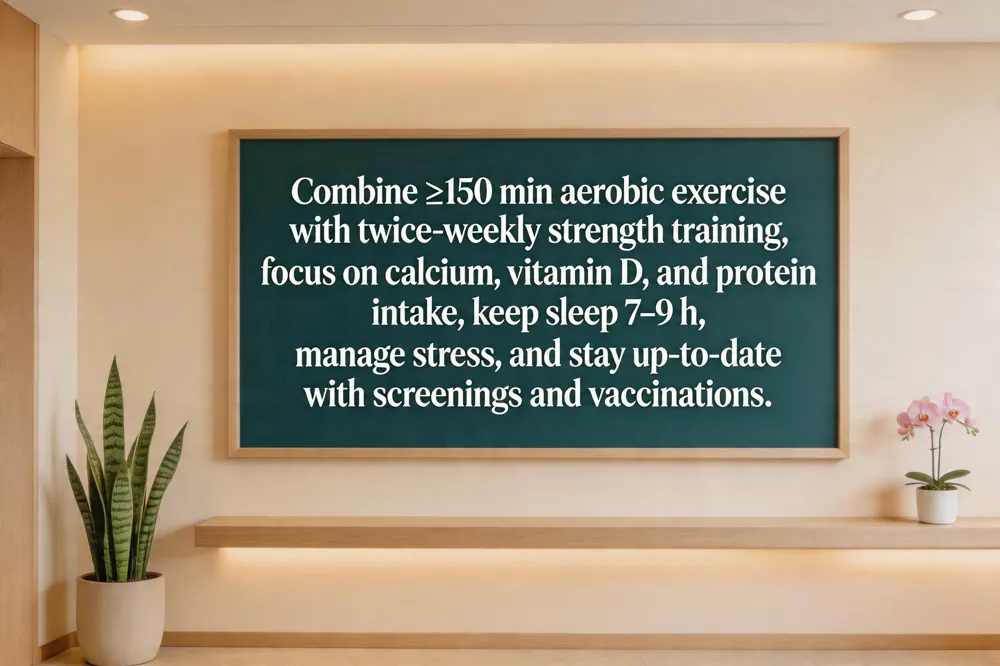
Combine aerobic (150 min/week) and strength training (2×/week). Emphasize calcium, vitamin D, and protein while limiting sodium (<1,500 mg) and alcohol. Aim for 7‑9 hours of sleep, maintain regular sleep‑wake times, and manage stress through meditation or hobbies. Preserve social connections, avoid smoking, and keep vaccinations up‑to‑date.
50‑year‑old female body changes & female problems after 50
Menopause triggers estrogen decline, leading to hot flashes, vaginal dryness, accelerated bone loss, and increased cardiovascular risk. Muscle mass declines faster, necessitating weight‑bearing and resistance exercise. Immune function wanes, making vaccinations essential. Bone density loss raises osteoporosis risk; calcium (~1,200 mg/day) and vitamin D are critical. Weight gain, metabolic shifts, and urinary symptoms may appear; balanced nutrition, hydration, and proactive screening mitigate these effects.
Healthy aging tips and exercises
Engage in ≥150 min weekly aerobic activity, strength training, and balance work (e.g., Tai Chi). Follow a nutrient‑dense Mediterranean diet, limit added sugars and saturated fats, and prioritize 7‑9 hours of sleep, stress reduction, and regular preventive health care. Foster social engagement and lifelong learning to support cognitive resilience and overall longevity.
Beyond 60: Sustaining Vitality
 Healthy aging tips for seniors
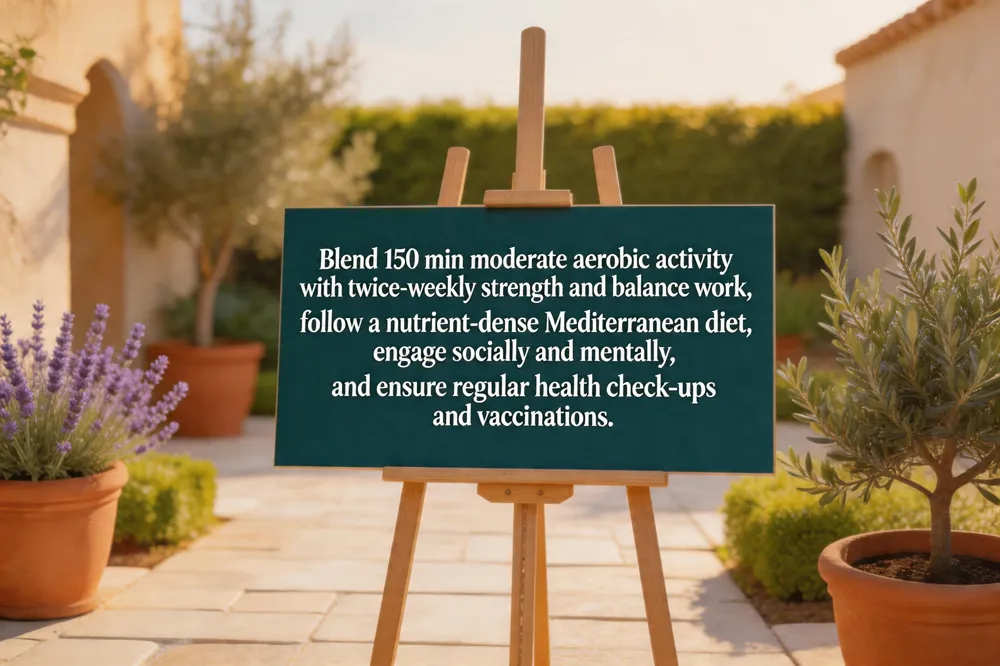
Maintain strong social ties through weekly calls or community groups. Combine 150 min of moderate aerobic activity with twice‑weekly strength and balance work (tai chi, yoga) and daily stretching to preserve mobility and reduce fall risk. Follow a Mediterranean‑style diet rich in vegetables, fruits, whole grains, lean proteins, nuts, seeds, and low‑fat dairy while limiting added sugars and processed fats. Keep the mind sharp with lifelong learning—read, puzzle, or acquire a new hobby—and practice mindfulness for mental well‑being. Stay current on vaccinations, routine screenings and manage chronic conditions with personalized medical care.
Mayo Clinic on healthy aging (PDF)
The Mayo Clinic’s guide emphasizes proactive, evidence‑based strategies: regular physical activity, balanced nutrition, and early detection of chronic disease through screenings. It stresses mental health, social engagement, and cognitive stimulation as pillars of longevity, aligning with personalized longevity services offered by the Medical Institute of Healthy Aging.
Common health problems after age 50
Hypertension, type 2 diabetes, heart disease, osteoarthritis, osteoporosis, hearing loss, and vision changes become prevalent. Early screening, nutrition‑dense Mediterranean diet, and targeted exercise can mitigate these risks.
How to age healthily – prevention
Adopt a plant‑forward Mediterranean diet, exercise 30 min most days, prioritize 7‑9 h sleep, manage stress, and keep up‑to‑date with vaccinations and screenings. Social connection and cognitive activity further lower premature illness risk.
How to age well physically
Exercise 150 min weekly aerobic activity plus twice‑weekly resistance training; add balance work to prevent falls. Pair movement with a nutrient‑dense diet, adequate sleep, stress‑reduction, and regular medical check‑ups. Avoid tobacco and limit alcohol for optimal physical resilience.
Conclusion
Across the 30s, 40s, and 50s, five core pillars—nutrition, movement, sleep, stress management, and preventive screening—remain the scientific backbone of healthy aging. In the 30s the focus is on establishing regular aerobic and strength routines, a plant‑forward diet with adequate protein and fiber, and early detection of metabolic risk factors. The 40s require intensified muscle‑strengthening, refined sleep hygiene, and vigilant cardiovascular and bone‑density monitoring. By the 50s, bone‑strengthening activities, targeted protein intake, and age‑appropriate cancer and osteoporosis screenings become paramount. The Medical Institute of Healthy Aging translates these evidence‑based pillars into personalized, proactive care plans that integrate genetic risk profiling, advanced laboratory testing, and tailored lifestyle coaching. Whether you are beginning your health‑span journey or refining existing habits, the best time to act is now—small, science‑backed adjustments at any age can dramatically improve longevity and quality of life.