Why Advanced Diagnostics Matter for Proactive Care
Shift from Reactive to Preventive Health
The traditional healthcare model is reactive, waiting for symptoms before intervening. This creates diagnostic innovations are shifting this paradigm. Instead of treating disease only after it appears, advanced diagnostics enable a proactive, preventive approach that identifies risks early and guides personalized interventions before problems escalate.
Continuous monitoring and predictive analytics are central to this shift. For example, AI-enabled continuous glucose monitors can forecast where glucose levels are headed, allowing patients to take corrective action before incidents occur. This type of real-time forecasting reduces the mental burden of self-management and prevents dangerous events like severe nocturnal hypoglycemia by over 30%.
Detection Through Technology
Early detection relies on a growing arsenal of less invasive, more accessible tools. Blood-based biomarker testing for Alzheimer's disease replaces costly lumbar punctures or PET scans with a simple blood draw. This helps overcome barriers like fear, cost, and resistance to painful procedures, which contribute to an estimated 75% of those affected globally living without a diagnosis.
Decentralized testing platforms, such as portable multi-test point-of-care devices, now allow rapid, reliable results for conditions like blood clots and cardiovascular disease through a simple finger prick in community settings. This not only minimizes wait times and anxiety but also shifts the economic burden from expensive emergency care to lower-cost community settings.
Impact on Experience
For patients, these innovations reduce physical and emotional barriers. HPV self-collection, for instance, makes cervical cancer screening more private and comfortable, improving access for those with cultural or trauma-related concerns. Similarly, fully automated mass spectrometry for therapeutic drug monitoring in transplant patients reduces anxiety by ensuring consistent, precise results across care centers.
Proactive diagnostics empower patients to manage their health before complications arise. This shift from reactive to proactive care enhances quality of life, reduces stress, and supports a personalized, prevention-centered healthcare future for both patients and providers.
| Diagnostic Innovation | Proactive Role | Patient Benefit |
|---|---|---|
| AI-enabled CGM | Forecasts glucose levels hours in advance | Prevents hypoglycemia, reduces anxiety |
| Blood-based Alzheimer's biomarkers | Enables early detection without lumbar puncture | Increases access, reduces fear |
| Portable point-of-care testing | Decentralizes diagnostics to pharmacies | Minimizes travel & wait times |
| HPV self-collection | Shifts screening to community settings | Improves privacy & comfort |
| Automated mass spectrometry | Provides consistent therapeutic drug monitoring | Reduces dosing anxiety |
Key Facts: Advanced Diagnostics in Proactive Health
- HPV self‑collection uses a soft‑tipped swab for private vaginal sampling, achieving accuracy comparable to clinician‑collected exams.
- Blood‑based biomarker panels detect amyloid‑beta and phosphorylated tau for early Alzheimer’s detection years before symptoms emerge.
- Portable point‑of‑care platforms deliver multi‑analyte lab‑grade results from a single finger‑prick.
- AI‑enabled continuous glucose monitoring forecasts glucose swings hours in advance, reducing nocturnal hypoglycemia by >30%.
- Automated LC‑MS/MS ensures superior specificity for **therapeutic drug monitoring, eliminating cross‑reactivity common in traditional immunoassays.
- Next‑generation sequencing and liquid biopsy analyze circulating tumor DNA from blood for non‑invasive early cancer detection.
- Wearable and IoT sensors with AI provide real‑time vital sign alerts by detecting deviations from personal baselines.
- AI‑integrated advanced imaging spots subtle structural changes before symptoms, reducing false positives in breast cancer screening.
- Unified digital health dashboards merge labs, genomics, wearables, and imaging for a comprehensive patient‑centered view.
- Preventive care includes screenings, vaccinations, and lifestyle counseling to maintain health in asymptomatic individuals.
1. At‑Home HPV Self‑Collection Removes Barriers to Cervical Cancer Screening

Shifting Screening from the Clinic to the Community
Traditional speculum-based cervical cancer screening creates a significant barrier for many women. This can stem from fear of pain, cultural or religious beliefs, or a history of sexual trauma. A less invasive alternative exists: HPV self-collection. This method uses a soft-tipped swab that patients use to collect a vaginal sample themselves. The experience is more private and comfortable than a clinician-collected exam.
Accuracy and Practical Deployment
Crucially, HPV self-collection offers comparable accuracy to samples collected by a clinician. This innovation separates sample collection from lab processing. This flexibility allows for deployment in diverse settings, including local pharmacies, mobile health units, and community health events. By making screening more accessible and less intimidating, self-collection can help reduce the global burden of cervical cancer.
| Feature | Traditional Speculum Exam | HPV Self‑Collection |
|---|---|---|
| Sample Collection | Clinician-performed | Patient-performed |
| Comfort & Privacy | Often invasive and uncomfortable | Less invasive and more private |
| Deployment Setting | Clinic or hospital | Pharmacies, mobile units, community events |
| Accuracy | Standard reference | Comparable to clinician‑collected samples |
| Primary Barrier Addressed | Fear, discomfort, lack of access | Privacy, cultural concerns, convenience |
2. Blood‑Based Biomarker Panels Enable Early Alzheimer’s Detection

Why replace PET scans and lumbar punctures with a simple blood draw?
Traditional confirmatory tests for Alzheimer’s disease—amyloid PET scans and lumbar punctures—are costly, invasive, and often inaccessible. An estimated 75% of those affected worldwide remain undiagnosed, hindered by factors such as fear, cost, and resistance to painful procedures. Blood‑based biomarker testing overcomes these barriers by using a straightforward blood draw to detect hallmark proteins like amyloid‑beta and phosphorylated tau. This approach is less invasive, more affordable, and can be deployed in primary care or community settings, vastly expanding access to timely diagnosis.
How does early detection improve patient outcomes?
Alzheimer’s pathology begins years before symptoms emerge. Blood biomarkers can facilitate diagnosis during this preclinical window, when early intervention is most effective. Identifying the disease earlier enables patients and families to plan care, enroll in clinical trials, and begin disease‑modifying therapies sooner. By shifting from reactive symptom management to proactive detection, blood‑based testing supports a personalized, prevention‑centered approach to cognitive health. This innovation promises to reduce the immense personal and economic burden of dementia, projected to reach $8.5 trillion globally by 2040. | Diagnostic Innovation | Traditional Method | Blood‑Based Alternative | Key Advantage | | --- | --- | --- | --- | | Alzheimer’s detection | Amyloid PET scan or lumbar puncture | Blood draw for amyloid‑beta and p‑tau | Less invasive, lower cost, wider access | | Typical window | After symptom onset | Years before symptoms appear | Enables early intervention and planning | | Healthcare setting | Specialist clinics | Primary care, community events | Reduces diagnostic delays and barriers | | Patient burden | Pain, anxiety, high cost | Simple blood test | Improves patient acceptance and comfort |
3. Portable Multi‑Test Point‑of‑Care Platforms Bring Lab‑Grade Results to the Community
Rapid, Multi‑Analyte Assays from a Single Finger‑Prick
4. AI‑Enabled Predictive Continuous Glucose Monitoring Anticipates Glucose Swings
How does machine learning forecast glucose trajectory in diabetes management?
AI-enabled predictive continuous glucose monitoring (CGM) uses machine-learning algorithms to analyze real-time glucose data and forecast where glucose levels are headed. Instead of simply reporting current readings, these systems model glucose dynamics hours in advance, allowing patients to see predicted trends and take corrective action before dangerous highs or lows occur. This shift from reactive to proactive management transforms diabetes care by anticipating fluctuations rather than only reacting to them.
What evidence supports a >30% reduction in nocturnal hypoglycemia?
Real-world data show that AI-enabled CGM reduces the likelihood of severe nocturnal hypoglycemia by over 30%. By predicting the risk of low blood sugar during sleep, the system can alert patients or trigger automated insulin suspension before a critical event occurs. This capability is especially valuable since nocturnal hypoglycemia is often asymptomatic and goes unnoticed until it becomes a medical emergency.
How does AI alleviate the mental burden of diabetes self-management?
Continuous glucose monitoring with AI significantly reduces the mental burden and anxiety associated with constant diabetes self-management. Instead of manually tracking every glucose reading and worrying about potential swings, patients receive predictive alerts and actionable insights. This decreases the frequency of alarms and false alerts, enabling users to trust the system and focus on daily life. The result is improved glycemic control with less cognitive load and emotional stress.
5. Automated Mass Spectrometry Guarantees Precise Therapeutic Drug Monitoring
Therapeutic drug monitoring (TDM) is critical for managing medications with narrow therapeutic windows, where small deviations in blood concentration can mean the difference between treatment success and toxicity. This is especially true for immunosuppressant drugs in organ transplant patients. Traditional immunoassays, while common, can be prone to cross-reactivity and variability, leading to inconsistent results and increased patient anxiety.
How Does Automated LC‑MS/MS Achieve Superior Specificity?
Automated and standardized liquid chromatography-tandem mass spectrometry (LC‑MS/MS) offers superior analytical specificity and sensitivity compared to traditional methods. This advanced technique precisely isolates and quantifies the target drug and its metabolites, eliminating interference from similar compounds. For immunosuppressants like tacrolimus, cyclosporine, and mycophenolic acid—which have a very narrow therapeutic index—this accuracy is essential for avoiding therapeutic failure (rejection) or drug-induced toxicity.
Why Are Standardized Results Across Care Centers Important?
The automated nature of modern LC‑MS/MS platforms ensures consistent, reproducible results across multiple care centers. This standardization reduces the variability that can occur with different reagents or manual techniques in separate labs. For patients who may follow up with different specialists or move between healthcare facilities, having a unified, reliable drug level record simplifies clinical decision-making.
How Does This Technology Reduce Transplant-Related Anxiety?
Inaccurate or inconsistent drug levels force frequent, painful re-draws and prompt unnecessary dose adjustments, heightening patient stress. By providing fast, highly precise results, automated mass spectrometry reduces the need for repeat testing and the risk of dosing errors. This precision allows clinicians to confidently maintain optimal drug levels, which lowers the constant anxiety organ transplant recipients feel about organ rejection and side effects from improper dosing. The result is a less burdensome, more confident management routine.
| Aspect | Traditional Immunoassay | Automated LC‑MS/MS | Impact for Patient |
|---|---|---|---|
| Specificity | Prone to cross-reactivity | Highly specific, minimal interference | Reduces false results and dose errors |
| Standardization | Variable across labs | Consistent across centers | Reliable longitudinal data for clinicians |
| Turnaround Time | Hours to days | Fast, automated | Quicker results reduce waiting anxiety |
| Therapeutic Window | Higher risk of missing narrow target | Precise quantification for narrow windows | Fewer complications (rejection or toxicity) |
6. Next‑Generation Sequencing and Liquid Biopsy Reveal Cancer and Genetic Risks Early
How do NGS and liquid biopsies enable early, non‑invasive cancer and genetic risk detection?
Next‑generation sequencing (NGS) is a high‑throughput method that sequences entire genomes or specific regions to detect genetic mutations, enabling early diagnosis of inherited disorders and cancer. By analyzing comprehensive DNA and RNA data, NGS identifies rare genetic mutations, classifies tumors, and tracks pathogens. As costs drop, it expands access to precision diagnostics, supporting proactive genetic health assessment. Molecular diagnostics analyze biological markers at the molecular level, detecting genetic variations and gene expressions for diagnosing genetic disorders, infectious diseases, and cancers.
Liquid biopsies complement NGS by analyzing circulating tumor DNA (ctDNA) from a simple blood draw. This non‑invasive test monitors treatment response, detects minimal residual disease, and identifies therapeutic resistance without surgical biopsies. Liquid biopsies can detect cancer earlier and monitor disease progression, central to personalized oncology care and proactive cancer surveillance.
Together, these technologies support personalized oncology, helping classify tumors, guide targeted therapies, and track molecular changes over time. They provide a proactive window into cancer risk and disease activity, enabling earlier intervention tailored to each patient’s genetic profile. | Technology | Main Application | Patient Benefit | |------------|------------------|-----------------| | NGS | Detects mutations, rare disorders, tumor classification | Enables early diagnosis and tailored treatment plans | | Liquid Biopsy | Analyzes ctDNA from blood | Non‑invasive monitoring of cancer recurrence and resistance | | Molecular Profiling | Identifies biomarkers and genetic variations | Guides personalized therapy and minimizes adverse effects |
7. Wearable and IoT Sensors Coupled with AI Deliver Real‑Time Vital Sign Alerts
Continuous glucose, ECG, SpO₂, and movement tracking provide a continuous health data stream.
Advanced wearable devices and IoT sensors now continuously measure a range of physiological markers—including glucose levels, heart rhythms (ECG), blood oxygen saturation (SpO₂), and movement patterns—during daily life. This shift from periodic, office-based measurements to real-time, longitudinal data gives clinicians a far more accurate picture of a patient’s true health state.
AI anomaly detection flags deviations from personal baselines.
Artificial intelligence algorithms analyze this continuous data stream by learning each individual’s normal patterns. When subtle deviations from these personal baselines occur—such as an early sign of atrial fibrillation, a nocturnal glucose drop, or changes in gait that might indicate impending frailty—the system flags them as anomalies. This approach distinguishes true health threats from benign daily fluctuations, reducing false alarms while catching early warning signs.
Automated alerts drive timely clinician intervention.
The moment a clinically significant deviation is detected, automated alerts are sent directly to care teams. This enables prompt action—such as adjusting medication, scheduling a check-up, or initiating a consultation—before acute symptoms or emergency situations arise. Real-world data show that such AI-enabled proactive monitoring can reduce severe hypoglycemic events by over 30% and support earlier intervention for conditions like arrhythmias and worsening heart failure.
8. Advanced Imaging Integrated with AI Spot Subtle Structural Changes Before Symptoms Appear
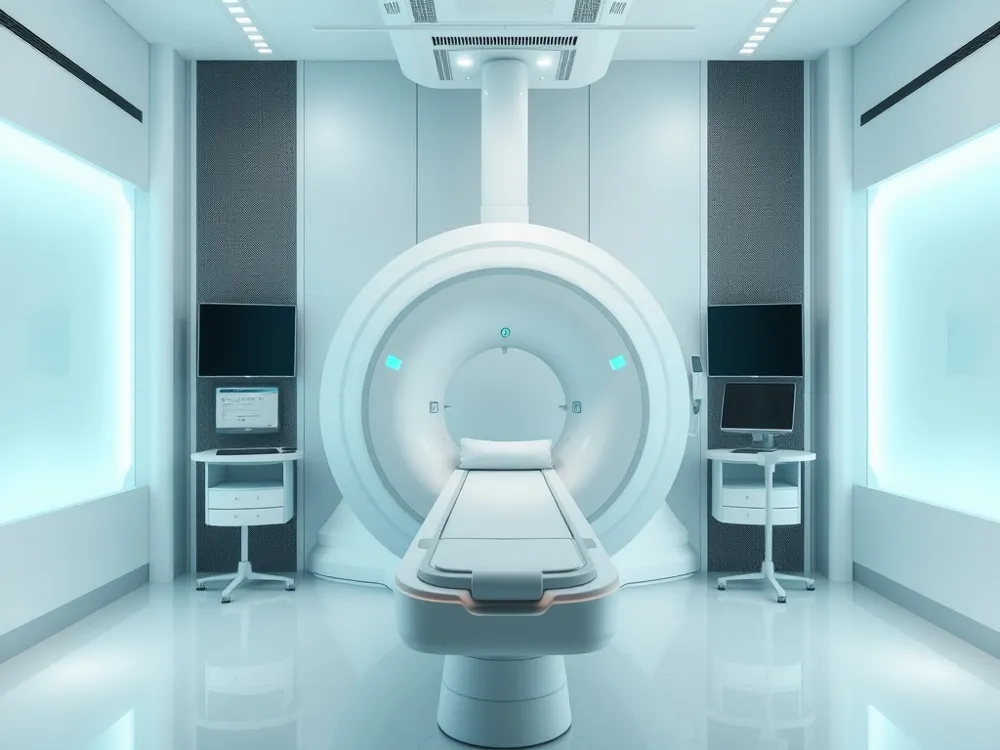 Modern imaging technologies like high‑resolution MRI, CT, and PET scans now visualize anatomy and pathology with remarkable clarity. When paired with artificial intelligence, these tools can detect subtle structural changes—such as early tumors, vascular lesions, or musculoskeletal abnormalities—long before they cause symptoms. This shift enables clinicians to move from reactive treatment to pre‑emptive intervention planning.
AI‑enhanced interpretation reduces diagnostic errors. For example, Google’s DeepMind has been shown to reduce false‑positive results in breast‑cancer screening. In digital pathology, AI can cut the time to detect metastatic deposits by up to 90% and boost sensitivity to nearly 100%, addressing the global shortage of pathologists. By integrating with medical imaging, these systems support early disease detection, accurate diagnosis, and personalized therapy planning.
PET scans also serve as proactive tools. Amyloid PET scans can non‑invasively detect early Alzheimer’s pathology, offering a window for monitoring cognitive health before clinical symptoms emerge. The EXPLORER total‑body PET scanner delivers unprecedented sensitivity, enabling whole‑body disease screening and earlier detection of metastatic disease in a single acquisition.
Virtual and augmented reality platforms, such as EchoPixel’s True 3D, create immersive, patient‑specific surgical views. Surgeons can plan procedures—like congenital heart defect repairs—and reduce unexpected intra‑operative findings, improving outcomes through pre‑emptive planning. Portable imaging devices, including mobile magnetoencephalography scanners and wearable MRI‑compatible gloves, further expand access to detailed diagnostics outside hospital settings.
Advanced imaging augmented by AI empowers proactive health management. It turns uncertainty into clarity, allowing earlier diagnosis and tailored treatment plans that prevent complications, reduce unnecessary procedures, and improve patient outcomes.
9. Unified Digital Health Dashboards Merge Labs, Genomics, Wearables, and Imaging
How do unified dashboards create a comprehensive patient‑centered view?
Rather than viewing each test in isolation, modern diagnostic platforms integrate lab results, genomic profiles, imaging scans, and data from wearable sensors into a single, unified dashboard. This holistic view enhances diagnostic accuracy by revealing interactions between different body systems—for instance, how a genetic variant might affect drug metabolism visible in a blood test, or how sleep patterns from a wearable relate to inflammatory markers from a lab panel. The result is a comprehensive patient‑centered health picture that supports preventive care and long‑term health optimization.
How does predictive analytics synthesize multi‑modal data?
Advanced analytics and artificial intelligence transform this aggregated data into actionable insights. By applying machine learning to longitudinal patient records—including genomic data, serial lab results, wearable biometric streams, and imaging findings—the system can forecast disease risks and identify subtle imbalances. For example, AI can correlate declining heart rate variability from a wearable with a rise in inflammatory biomarkers to predict cardiovascular events before they become clinically apparent. This predictive capability allows for targeted, data‑driven interventions rather than waiting for symptoms to appear.
How does such a platform empower clinicians and patients to act before disease manifests?
Unified dashboards give both clinicians and patients real‑time visibility into health trajectories. Automated alerts notify providers when biometric data or lab values cross personalized thresholds, enabling early adjustments to medication, lifestyle, or treatment plans. Patients gain access to secure online portals where they can track trends, view their own integrated health data, and better understand risk factors. This transparency empowers individuals to participate actively in their care and supports a proactive, prevention‑centered approach that shifts the focus from reactive treatment to sustained wellness. As these platforms evolve, the integration of diverse data streams into a single decision‑support system will become foundational to personalized health management.
What are examples of preventive care?
Preventive care focuses on maintaining health when a person is feeling well and symptom-free. It aims to keep individuals healthy and prevent chronic conditions from developing before they become a threat.
Screenings, vaccinations, lifestyle counseling
Preventive services include a broad range of actions. Regular screening tests are fundamental, such as checking blood pressure, cholesterol, and blood sugar to identify risk factors for heart disease and diabetes. Age-appropriate cancer screenings, including mammograms, colonoscopies, and cervical cancer screenings (Pap tests), are also critical. Evaluating older adults for fall risk, hearing loss, and memory loss falls under this category.
Vaccinations are a cornerstone of prevention, including routine immunizations for routine illnesses like flu, COVID-19, and pneumonia. Lifestyle counseling on diet, exercise, and smoking cessation helps individuals adopt healthier habits to manage weight and reduce chronic disease risk. Routine vaccines for flu, COVID-19, and pneumonia. Lifestyle counseling on nutrition, physical activity, and smoking cessation supports the adoption of healthier habits. These services often are covered by insurance without a copay when performed by an in-network provider during a preventive visit.
What are the 5 major strategies to promote health?
What are the 5 major strategies to promote health? The five foundational strategies are nutrition, physical activity, mental health, preventive healthcare, and healthy habits. Each supports the transition from reactive treatment to proactive health management, a trend accelerated by advanced diagnostics and personalized care.
Balanced nutrition and diet
A nutrient-dense diet rich in whole foods supports cellular function and metabolic health. Nutritional assessments, such as advanced blood testing, can identify deficiencies and guide tailored dietary plans. For example, precise biomarkers like hormone and inflammatory markers allow interventions that address specific imbalances before they escalate into chronic conditions.
Regular physical activity and its monitoring
Evidence-based recommendations call for at least 150 minutes of moderate aerobic exercise weekly, combined with strength training. Wearable devices now track movement patterns, heart rate variability, and recovery metrics in real time. This real-time data helps clinicians detect subtle musculoskeletal imbalances or cardiovascular risk early, enabling personalized exercise prescriptions of specific therapeutic exercises rather than generic advice.
Mental health and stress management
Chronic stress elevates inflammation and disease risk. Digital health tools incorporating AI can monitor sleep quality, heart rate variability, and behavioral patterns. Anomaly detection in this data can signal declining mental health before a clinical crisis occurs. Proactive care models include mindfulness, sleep hygiene, and scheduled social engagement as measurable interventions.
Preventive healthcare–screenings and diagnostics
Preventive care includes regular screenings for hypertension, diabetes, and cancers. Advanced diagnostics such as next-generation sequencing (NGS) for genetic risk, liquid biopsies for early cancer detection, and AI-powered imaging (like AI-flagged CT scans) shift diagnosis earlier. Personalized risk stratification allows people to begin preventive treatments or lifestyle adjustments long before symptoms arise.
Cultivating healthy habits and proactive monitoring
Core habits—avoiding tobacco, limiting alcohol, staying hydrated—support longevity. The shift is amplified by continuous monitoring tools. Wearables, continuous glucose monitors (CGMs), and remote patient monitoring platforms track vital signs in real time. AI analyzes this data for early warnings, automating alerts. This makes habit change data-driven and sustainable, reducing reliance on willpower and periodic doctor visits.
| Strategy | Core Actions | Advanced Diagnostic/Proactive Tools |
|---|---|---|
| Nutrition & Diet | Whole foods, hydration, supplement targeting | Blood biomarker panels, micronutrient tests |
| Physical Activity | Aerobic + strength + flexibility | Wearable trackers, motion capture, biomechanical analysis |
| Mental Health | Mindfulness, sleep hygiene, stress reduction | Sleep monitors, heart rate variability analysis, AI behavioral alerts |
| Preventive Healthcare | Screenings, vaccinations, genetic risk assessment | NGS, liquid biopsy, AI imaging, multi-cancer early detection (MCED) |
| Healthy Habits | Smoking cessation, limited alcohol, routine check-ups | Remote patient monitoring, continuous glucose monitors, automated alerts |
Proactive health management, powered by these innovations, reduces the burden of disease. It also empowers individuals to take charge of their well-being before problems require costly and invasive care.
What is diagnostic care and how does it differ from preventive care?
What is Diagnostic Care and How Does It Differ from Preventive Care?
Diagnostic care involves medical tests and evaluations to identify the cause of symptoms or established conditions, utilizing tools like imaging (MRI, CT scans), lab work, and advanced molecular diagnostics. It is typically a reactive process, triggered when something feels wrong or a patient has a known medical condition.
In contrast, preventive care focuses on maintaining health in asymptomatic individuals. It includes routine screenings (e.g., blood pressure, cholesterol checks), vaccinations, and lifestyle counseling aimed at preventing disease before it develops.
How Can Diagnostic Care Be Proactive?
However, diagnostic services also play a vital role in preventive care through early detection. This proactive use of diagnostics—for example, using liquid biopsies for early cancer signals or blood-based biomarker tests for Alzheimer's—helps identify health issues at an early stage, allowing for timely intervention and improved outcomes. The same service (e.g., a mammogram) can be billed as either preventive (routine screening) or diagnostic (investigating a lump), highlighting that diagnostic care is typically reactive to existing signs, while preventive care is proactive, focusing on maintaining wellness and avoiding disease onset.
| Aspect | Preventive Care | Diagnostic Care (Reactive) | Diagnostic Care (Proactive) |
|---|---|---|---|
| Purpose | Maintain health; prevent disease | Identify cause of symptoms | Detect disease early in asymptomatic individuals |
| Trigger | Age, risk factors, schedule | New symptoms or known condition | Routine screening protocols |
| Example | Annual physical, colonoscopy screening | CT scan for chest pain | Liquid biopsy for early cancer detection |
| Insurance Coverage | Typically covered without copay | May require copay or not be covered | Often covered as a preventive service |
What are the benefits of diagnostic services?
Early detection, accuracy, personalized treatment, cost reduction
Diagnostic services are the cornerstone of modern proactive healthcare, shifting the focus from reactive treatment to early, precise intervention. The core benefits—early detection, accuracy, personalization, and cost reduction—are interwoven and mutually reinforcing.
What are the benefits of diagnostic services?
Early detection dramatically improves patient outcomes. Many chronic and life-threatening diseases, such as Alzheimer's and certain cancers, develop silently. Blood‑based biomarkers for Alzheimer's replace invasive, costly procedures like lumbar punctures, enabling diagnosis years before symptoms appear. Similarly, AI‑driven analysis of liquid biopsies can identify circulating tumor DNA, often long before a tumor is detectable by conventional imaging. This head start allows for interventions when they are most effective, vastly improving survival rates and quality of life.
Diagnostic accuracy is equally critical. Advanced molecular diagnostics—including next‑generation sequencing and immunohistochemistry—can definitively characterize conditions, distinguishing benign from malignant lesions or identifying specific genetic mutations. This precision drastically reduces misdiagnosis, which can lead to unnecessary stress, ineffective treatments, and delayed care. For instance, flow cytometry can differentiate lymphoma from thymoma with high certainty, guiding appropriate and immediate therapy.
Personalized treatment is the natural outcome of accurate diagnostics. Genetic and molecular profiling allows providers to tailor interventions to an individual's unique biology, predicting drug responses and minimizing adverse effects. This is the essence of personalized medicine, moving beyond a one‑size‑fits‑all approach to maximize efficacy and patient satisfaction. In oncology, identifying specific mutations enables targeted therapies that attack cancer cells while sparing healthy tissue.
Finally, these innovations drive significant cost reduction. By enabling early intervention, advanced diagnostics prevent the progression of disease to costly advanced stages that require hospitalization, surgery, or intensive care. Point‑of‑care and decentralized testing further reduce costs by shifting care from expensive hospital settings to community environments. The World Economic Forum notes that unnecessary medical interventions contribute heavily to expenditure; precise diagnostics help avoid them, lowering overall system costs and patient out‑of‑pocket expenses.
Together, these benefits empower a proactive approach to health, where individuals and providers can act decisively before minor issues become major threats.
What are examples of diagnostic technology?
In-vitro diagnostics: the foundation of proactive health
Modern in-vitro diagnostics (IVD) analyze biomarkers from blood, urine, or tissue samples to detect disease at its earliest stages. Automated clinical chemistry analyzers and immunoassay platforms process hundreds of samples per hour for metabolic panels, cardiac markers, and hormone levels. Point-of-care formats, such as rapid strep tests and HbA1c finger-prick tests, deliver results within minutes at the bedside or in a pharmacy. These tools shift care from reactive treatment to proactive screening, allowing clinicians to intervene before symptoms arise.
Advanced molecular diagnostics and imaging
Molecular techniques like polymerase chain reaction (PCR) and next-generation sequencing (NGS) identify genetic mutations, infectious agents, and cancer biomarkers directly from a DNA sample. NGS can sequence entire genomes to uncover inherited risk factors or guide targeted cancer therapy. In imaging, technologies such as MRI, CT, PET, and digital ultrasound provide detailed anatomical and functional views. AI-enhanced analysis of these images can flag subtle lesions, while liquid biopsies detect circulating tumor DNA from a simple blood draw—replacing more invasive tissue biopsies.
AI-powered tools and digital pathology
Artificial intelligence algorithms sift through complex datasets from lab results, imaging, and electronic health records to predict disease risk and suggest personalized interventions. AI-enabled continuous glucose monitors forecast blood sugar trends hours in advance, helping patients avoid hypoglycemic events. Digital pathology uses whole-slide imaging to convert biopsy slides into high-resolution digital files, enabling remote consultation and rapid second opinions. Table 1 summarizes key diagnostic technologies and their proactive applications.
| Technology | Method | Proactive application |
|---|---|---|
| Automated IVD analyzers | Blood/urine chemistry | Risk screening during annual check-ups |
| PCR & NGS | DNA/RNA detection | Genetic predisposition & early cancer detection |
| AI-enhanced MRI/CT | Structural imaging | Early detection of tumors, vascular anomalies |
| Liquid biopsy | Circulating tumor DNA (blood) | Monitoring minimal residual disease |
| AI-enabled CGM | Interstitial glucose sensor | Preventing severe hypo/hyperglycemia |
| Digital pathology | Whole-slide imaging | Teleconsultation & faster tissue diagnosis |
Simple self-monitoring devices
Non-invasive consumer devices—thermometers, pulse oximeters, blood pressure cuffs, and smartwatch ECG sensors—empower individuals to track vital signs daily. These tools generate continuous data streams that can be integrated into clinical dashboards, supporting proactive management of chronic conditions like hypertension, atrial fibrillation, and diabetes. Combined with secure portals for direct patient access to lab results, these technologies democratize health data and encourage informed, preventive decision-making.
What are the advanced diagnostic tools in healthcare?
Molecular Diagnostics and Genetic Testing
Polymerase chain reaction (PCR) and next-generation sequencing (NGS) allow clinicians to analyze DNA and RNA directly. These methods detect genetic mutations, identify infectious agents, and reveal biomarkers before any structural damage appears. Automated laboratory platforms now process thousands of samples daily with high accuracy, making early genomic screening scalable for routine use.
Artificial Intelligence and Data Analysis
AI algorithms integrate data from electronic health records, wearable sensors, and genomic profiles. They identify subtle patterns that human review might miss, predict disease risks years in advance, and flag high-risk individuals for early intervention. This computational layer turns raw data into actionable clinical insights.
High-Resolution Imaging
Modern MRI, CT, PET, and digital ultrasound systems capture anatomical and functional details at sub-millimeter resolution. Techniques like total-body PET scanners and quantitative phase imaging detect tumors, vascular abnormalities, and metabolic changes long before symptoms emerge, enabling truly preventive care.
What are the benefits of health monitoring systems?
Health monitoring systems, enabled by advanced diagnostics shift medicine from a reactive model to a proactive one. These systems focus on prediction, early detection, and prevention of disease progression, reducing the threat of chronic illnesses before they escalate.
Early Detection and Proactive Intervention
Continuous monitoring allows for earlier detection of subtle changes in daily-life settings, providing a truer picture of health than periodic exam-room measurements. Real-time data from wearable devices, such as heart rate variability or changes in gait, can be analyzed by AI algorithms to pick up slight deviations from a patient’s normal patterns. This enables clinicians to react promptly—for example, by adjusting medication or scheduling an extra check-up—before a condition becomes critical. This shift from reactive treatment to preventive maintenance is central to proactive health management.
Chronic Disease Management
For chronic conditions like diabetes and cardiovascular disease, advanced diagnostics provide actionable, real-time insights. AI-enabled continuous glucose monitors (CGMs) can forecast glucose dynamics hours in advance, reducing time spent in dangerous nocturnal hypoglycemia and preventing emergency room visits. Wearable ECG devices enable continuous heart rhythm tracking, aiding in early detection of arrhythmias and timely medical intervention. These tools significantly improve glycemic control, reduce emergency hospitalizations, and support better management of long-term conditions, reducing the administrative burden of in-person visits for both patients and providers.
Patient Empowerment and Engagement
Health monitoring systems empower individuals to take an active role in their health journey. By providing immediate access to their own biometric data and personalized insights, patients become more informed and engaged in decision-making. Secure online portals allow patients to access results directly and track trends over time, while automated reminders for screenings and preventive care improve adherence to treatment plans. This enhanced self-awareness and accountability fosters a stronger patient-provider relationship and supports a personalized, prevention-centered approach to healthcare.
What is the difference between preventive care and reactive care?
What is the difference between preventive care and reactive care?
Preventive care seeks to stop illness before it starts through screenings, vaccinations, and lifestyle guidance. It is scheduled, routine, and aims to keep people healthy.
Reactive care, by contrast, begins after symptoms appear or a condition is diagnosed. It focuses on treating the problem, managing complications, and restoring function.
| Aspect | Preventive Care | Reactive Care |
|---|---|---|
| Timing | Before disease onset | After symptoms appear |
| Goal | Avoid disease, maintain wellness | Treat disease, relieve symptoms |
| Typical actions | Vaccines, check‑ups, counseling | Medications, procedures, rehab |
Together, both approaches complement a comprehensive health strategy.
What are some health monitoring devices?
Common Consumer and Clinical Devices
Modern health monitoring spans from simple, consumer-friendly tools to sophisticated clinical instruments. Common consumer devices include automatic blood pressure monitors, blood glucose monitors, pulse oximeters, and digital thermometers, which enable convenient at-home tracking of vital signs. Body fat monitors and basic electrocardiographs (ECGs) also support proactive health management by providing insights into body composition and heart rhythm.
For clinical and chronic condition management, devices like Continuous Glucose Monitors (CGMs) offer real-time data on glucose dynamics, while wearable ECG patches and smartwatches can detect arrhythmias such as atrial fibrillation. These technologies facilitate early detection and proactive intervention, shifting care from reactive treatment to continuous, preventive health optimization.
What is proactive health monitoring and how does it work?
How does continuous data collection work?
The system uses wearable devices and sensors—such as continuous glucose monitors (CGMs), smartwatches with ECG capabilities, and blood pressure cuffs—to gather real-time data on metrics like heart rate, blood oxygen levels, activity patterns, and blood glucose. This data is streamed to a cloud-based analytics platform where AI algorithms establish a personalized baseline for each user. This allows the system to distinguish between normal daily variations and early signs of deterioration, such as an unusual drop in heart rate variability or a persistent glucose spike.
How do alerts and early intervention function?
When the AI detects an anomaly that falls outside the user's personalized safety range, it generates timely alerts. These can be sent to the patient, their family caregivers, and their clinical care team. For example, a wearable ECG can detect atrial fibrillation before symptoms appear, while AI-enabled CGM can forecast nocturnal hypoglycemia hours in advance, reducing the risk of severe events by over 30%. The alert prompts a proactive response, such as a remote check-in from a care coordinator, a medication adjustment, or a scheduled follow-up appointment.
Core workflow of proactive monitoring
| Phase | Action | Technology Example | Benefit |
|---|---|---|---|
| Data collection | Continuous gathering of vital signs and biomarkers | Wearable sensors, CGMs, smart patches | Captures a true picture of daily health, not just snapshots from clinic visits |
| Baseline modeling & analysis | AI establishes personalized norms and detects deviations | Cloud-based analytics, machine learning algorithms | Identifies subtle, early warning signs missed by periodic testing |
| Alerting & escalation | Generates notifications for patients, family, and clinicians | Mobile apps, provider dashboards, automated calls | Enables timely intervention before symptoms escalate to emergencies |
| Early intervention | Adjusts care plans, schedules appointments, or initiates treatment | Telehealth, remote monitoring platforms, integrated EHR systems | Reduces hospitalizations, prevents complications, and lowers costs |
This continuous feedback loop empowers individuals to manage their health proactively, moving from a reactive "sick care" model to a prevention-centered, personalized system that improves outcomes and quality of life.
The Future Is Already Here—Embrace Advanced Diagnostics Today
Advanced diagnostics have moved beyond the clinic walls into daily life, placing actionable health intelligence directly in your hands. Technologies such as AI-enabled continuous glucose monitors, portable ultrasound devices, and wearable ECG patches now provide real-time data on metabolism, heart rhythm, and tissue health. This shift from episodic testing to continuous monitoring empowers individuals to understand their own biology and act on changes before symptoms arise.
The transition from reactive to proactive care
Traditional medicine often waits for symptoms to appear before intervening. Advanced diagnostics flip this model: they detect early molecular signals of disease, track physiological trends, and forecast risks years in advance. For example, blood-based biomarkers can now identify Alzheimer’s pathology or circulating tumor DNA with a simple blood draw, replacing invasive procedures and enabling interventions during the earliest, most treatable stages. This is personalized, prevention-centered healthcare in practice.
Taking charge of your health trajectory
The call to action is clear: integrate advanced diagnostics into your routine health strategy. Schedule regular screenings that go beyond basic panels—consider genetic risk profiling, comprehensive metabolic assessments, and periodic imaging. Use wearable devices not just for fitness tracking, but to monitor heart rate variability, glucose dynamics, and sleep architecture. Pair this data with discussions at your annual physical to create a tailored prevention plan.
Aligning with the mission of proactive longevity
Proactive health management is the foundation of extending healthspan. By identifying risks early—whether from genetic predispositions, metabolic imbalances, or early organ stress—you can implement targeted lifestyle changes, nutritional interventions, and medical therapies before disease takes hold. This approach reduces reliance on expensive acute care and empowers you to remain the primary driver of your health outcomes. The tools exist today. The next step is your commitment to use them.