Introduction to Personalized Preventive Healthcare Technology
Definition and Importance of Personalized Preventive Healthcare
Personalized preventive healthcare is a proactive approach that utilizes individual genetic, environmental, and lifestyle data to predict, prevent, and manage diseases before symptoms arise. This paradigm shift emphasizes early intervention and continuous health management rather than reactive treatment, aiming to optimize healthspan and reduce chronic disease burden.
Role of Advanced Technology in Healthcare Transformation
Advanced technologies such as artificial intelligence (AI), wearable devices, telemedicine, and electronic health records (EHRs) are integral to modernizing healthcare. AI facilitates precise risk stratification and early disease detection by analyzing complex datasets. Wearables enable real-time biometric monitoring, while telemedicine expands access to care, especially in underserved populations. EHRs centralize patient data, supporting coordinated and efficient care delivery.
How Technology Enhances Prevention and Personalization
These technologies collectively enhance the capacity for personalized care by enabling continuous monitoring, individualized risk assessments, and tailored interventions. For example, AI-driven predictive analytics can identify patients at elevated risk of conditions like atrial fibrillation or diabetes, prompting timely preventive strategies. Wearable biosensors provide actionable health insights, supporting behavior modification and proactive health management. Telehealth services facilitate ongoing patient engagement and follow-up, reinforcing personalized care plans.
The integration of these advanced tools heralds a new era in healthcare that prioritizes individualized preventive strategies, improves patient outcomes, and supports sustainable healthcare systems focused on health longevity and optimization.
Key Facts on Technology-Driven Innovations in Personalized Preventive Healthcare
- Telemedicine enables remote patient consultations and continuous care, significantly improving access for rural and underserved populations in the U.S.
- Wearable health devices provide real-time monitoring of vital signs, enabling early illness detection and integration with electronic health records for personalized interventions.
- Artificial Intelligence enhances diagnostic accuracy and predictive analytics, supporting early disease detection, chronic disease management, and precision medicine applications.
- Electronic Health Records digitize and centralize patient data, facilitating coordinated care, clinical decision support, and strengthening preventive healthcare strategies.
- Robotic surgery and 3D printing advance healthcare by enabling minimally invasive procedures, personalized surgical planning, and faster patient recovery.
- The Internet of Medical Things (IoMT) integrates connected medical devices to optimize real-time monitoring, patient safety, and hospital operational efficiency.
- Technology revolutionizes healthcare by improving personalized care, diagnostic accuracy, patient engagement, access, and reducing medical errors and costs.
- Healthcare innovations like telehealth, AI diagnostics, robotic surgery, and microbiome therapies enhance patient outcomes and preventive care through precision and early interventions.
- AI in personalized healthcare faces challenges including data privacy, algorithmic bias, and workflow integration but offers scalable, tailored prevention and treatment solutions.
- Preventive care supported by technology reduces healthcare costs via early risk detection, personalized lifestyle interventions, increased access, and enhanced patient engagement leading to improved health outcomes.
1. Telemedicine Expands Access and Enables Continuous Care
How is telemedicine used in healthcare?
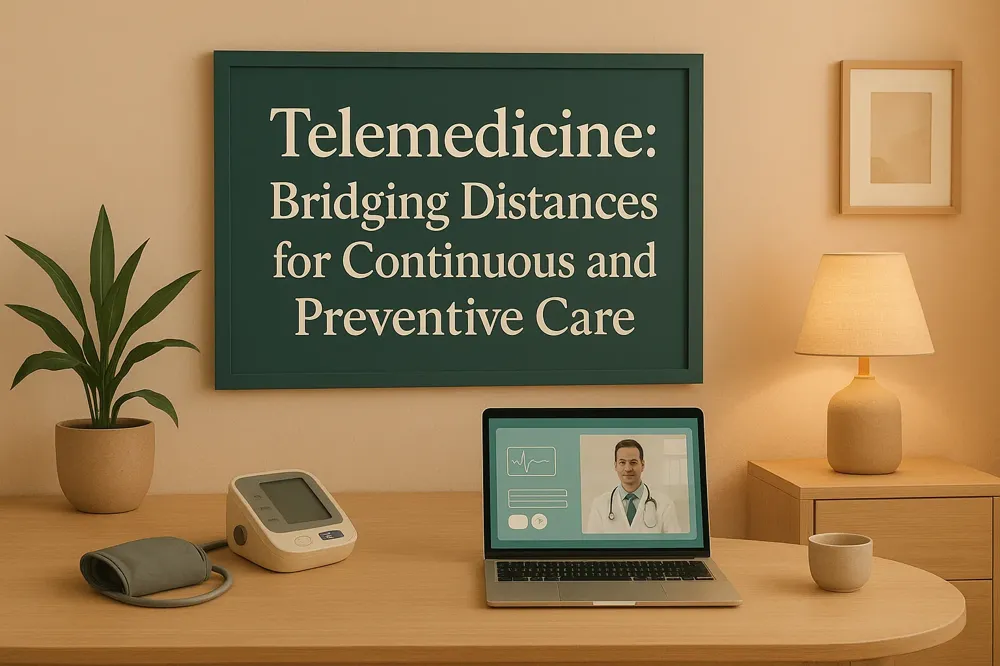
Telemedicine platforms facilitate Remote patient consultations through video calls and messaging systems, allowing patients to connect with healthcare providers without the need for physical visits. This technology in healthcare supports ongoing care management, enabling physicians to monitor chronic diseases and conduct post-surgery follow-ups remotely.
What is the impact of telemedicine on healthcare access?
Telemedicine significantly improves healthcare accessibility for rural and underserved populations, overcoming geographic and transportation barriers common in the United States. By connecting patients with specialists and primary care providers virtually, telemedicine in the U.S. ensures timely medical attention, reducing disparities in healthcare delivery.
How does telemedicine contribute to personalized preventive health care?
Remote patient monitoring advantages through telemedicine allow continuous patient health monitoring, enabling early detection of health changes and personalized interventions. This digital technology in healthcare supports tailored care plans, fostering preventive strategies that address individual patient needs in real-time.
How has telemedicine reduced infection risks during the COVID-19 pandemic?
During the COVID-19 pandemic, telemedicine minimized exposure risks by limiting in-person visits, helping prevent virus transmission among patients and healthcare workers. This safer approach to care delivery maintained essential health services while protecting public health.
Table: Telemedicine Benefits in Preventive Healthcare
| Feature | Description | Impact on Preventive Care |
|---|---|---|
| Remote Consultations | Video and messaging consultations | Continuous care without travel |
| Enhanced Accessibility | Reach to remote and underserved areas | Reduces health disparities |
| Chronic Disease Management | Ongoing monitoring of conditions | Enables timely interventions |
| Infection Risk Reduction | Limits physical visits during pandemics | Safer care delivery, minimizes infection spread |
Telemedicine exemplifies technology in healthcare enhancing personalized preventive health care by combining accessibility, continuous monitoring, and safety features, critical for managing population health effectively.
2. Wearable Devices Empower Real-Time Health Monitoring
What Are Some Examples of Technology Used in Healthcare?
Wearable health devices represent a prominent technological advancement in healthcare, especially within personalized preventive health care. These devices continuously track vital signs such as heart rate, blood oxygen saturation, sleep quality, and physical activity levels with high precision.
Vital Sign Monitoring and Early Illness Detection
Modern wearables, including smartwatches for health monitoring and fitness trackers, use sensors capable of detecting subtle physiological changes that may indicate early signs of illness. For instance, devices that identify irregular heart rhythms, such as advanced wearables detecting atrial fibrillation, alert users and healthcare providers to intervene promptly, thereby reducing risks such as stroke.
Integration with Electronic Health Records
Data collected by wearable devices can be integrated into Electronic Health Records (EHRs), enabling healthcare professionals to access comprehensive, personalized health information. This integration supports tailored care strategies by combining continuous real-time monitoring with historical clinical data.
Enhancing Self-Management and Preventive Care
By providing actionable insights on daily health parameters, wearables empower individuals to engage actively in their health management. Personalized feedback facilitates preventive actions like lifestyle adjustments well before the onset of chronic conditions, thereby aligning with the goals of proactive and preventive health management and longevity optimization.
Wearable health devices technology thus plays a critical role in shifting healthcare toward dynamic, data-driven models that prioritize early detection, continuous monitoring, and personalized intervention.
3. Artificial Intelligence Enhances Early Detection and Personalized Treatment
How does AI improve diagnosis through medical image and patient data analysis?
Artificial intelligence (AI) significantly improves diagnostic accuracy and efficiency by synthesizing vast amounts of patient data, including electronic health records (EHRs), medical imaging (e.g., X-rays, MRIs, CT scans), laboratory results, and clinical histories. AI-powered algorithms detect subtle abnormalities and disease markers often missed by human interpretation, enabling earlier identification of conditions such as breast cancer, cardiovascular abnormalities, and neurological disorders. For instance, AI applications have outperformed radiologists in detecting breast cancer from mammograms, facilitating timely interventions and improving patient outcomes (Artificial Intelligence in healthcare, AI in Healthcare Decision-Making).
What is the role of AI-driven predictive analytics in managing chronic diseases and hospital readmissions?
AI utilizes predictive models trained on historical and real-time patient data to forecast the risk of chronic disease progression and potential hospital readmissions. By identifying high-risk patients early, healthcare providers can implement tailored intervention strategies, reducing complications and emergency visits. This proactive risk stratification enhances preventive care, optimizes resource allocation, and lowers healthcare costs (AI-enabled management of chronic diseases, AI in preventive healthcare).
What is precision medicine and how is AI utilized within it?
Precision medicine delivers individualized healthcare by integrating genomic, clinical, environmental, and behavioral data to develop customized prevention and treatment plans. AI is pivotal in analyzing complex genomic datasets alongside clinical information to identify molecular and genetic markers. This facilitates targeted therapies, such as genotype-guided drug dosing and cancer treatments personalized to tumor DNA signatures, maximizing therapeutic efficacy while minimizing adverse effects (Precision Medicine and AI, Precision Medicine Overview).
How does automation of routine tasks support clinicians?
AI-driven automation streamlines administrative and repetitive clinical processes, including patient documentation, appointment scheduling, and data entry. This reduction in clerical burdens frees clinicians to dedicate more time to direct patient care and complex clinical decision-making. Moreover, AI augments clinicians with decision support tools that provide real-time alerts on potential drug interactions, abnormal test results, and patient deterioration, enhancing care quality and safety (Smart pumps in patient care, Clinical decision support systems).
4. Electronic Health Records Drive Coordinated and Preventive Care
What is the role of technology in revolutionizing healthcare?
Electronic Health Records (EHRs) have become a foundational technology revolutionizing healthcare by digitizing patients’ medical histories. These records comprehensively store clinical information including medications, allergies, laboratory results, and past treatments, making critical data readily accessible to practitioners across different care settings.
The digital storage capability enables seamless data sharing among multiple healthcare providers, facilitating coordinated treatment plans that are cohesive and informed by up-to-date clinical information. This integration reduces communication delays and mitigates risks of fragmented care, which is especially beneficial in complex or chronic disease management.
EHR systems incorporate clinical decision support tools that actively enhance patient safety. These tools automatically alert clinicians about potential drug interactions, allergies, or abnormal test results, supporting preventive strategies before adverse events occur. Such proactive notifications help avert medication errors and allow timely interventions, fundamentally improving care quality.
By enabling a holistic and continuous view of a patient’s health status, EHRs strengthen preventive care approaches. Providers can better identify risk factors, track disease progression, and tailor personalized preventive measures based on comprehensive patient data. This technological advancement directly contributes to more effective management of chronic diseases and improved health outcomes.
In summary, Electronic Health Records streamline access to patient data, ensuring efficient and secure care coordination that underpins personalized preventive healthcare initiatives.
5. Robotic Surgery and 3D Printing Advance Precision and Recovery
What are the emerging technologies in healthcare?
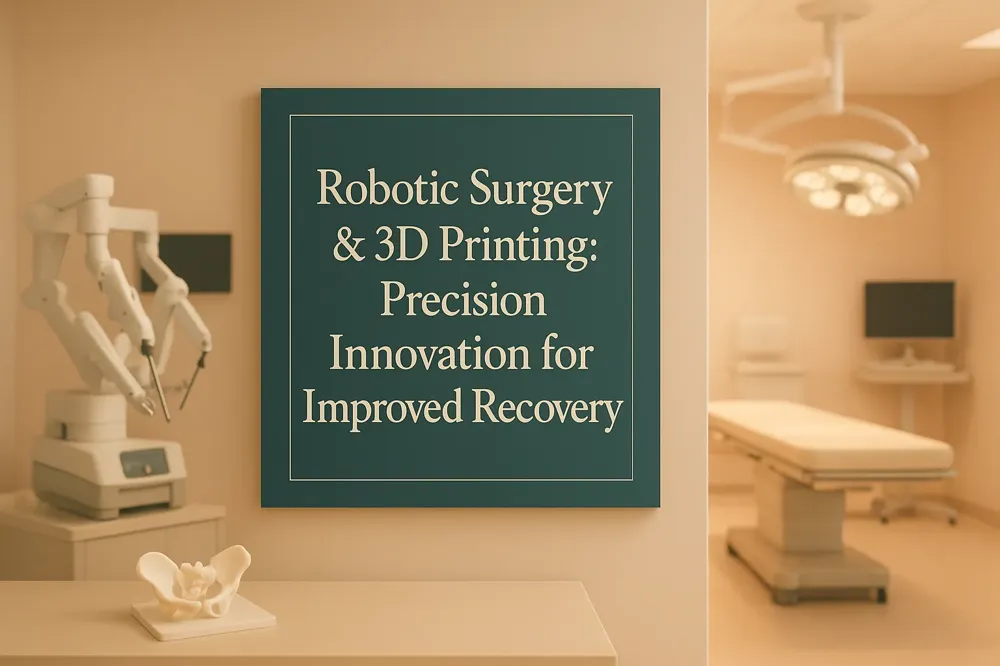
Robotic surgery and 3D printing stand out as transformative technologies in modern healthcare, dramatically enhancing the precision and personalization of medical treatments.
Robotic surgical systems, such as the FDA-approved da Vinci platform used extensively in U.S. hospitals, enable surgeons to perform complex procedures with remarkable accuracy through remotely controlled robotic arms. These systems facilitate minimally invasive operations resulting in smaller incisions, which significantly reduce postoperative pain and blood loss. The enhanced precision also lowers the risk of surgical errors and complications, promoting faster recovery and shorter hospital stays for patients.
Meanwhile, 3D printing technology is revolutionizing preoperative planning and implant manufacturing. By creating detailed anatomical models personalized to the patient's unique physiology, surgeons gain improved visualization and rehearsal opportunities, which enhance surgical outcomes. Customized prosthetics and implants fabricated via 3D printing further optimize fit and function, catering to individual patient needs with unprecedented specificity.
The integration of robotic surgery and 3D printed models supports a shift toward highly tailored treatment strategies. This alignment with Application of Preventive Medicine paradigms not only improves immediate surgical success but also contributes to longer-term health optimization by minimizing complications and enabling proactive management.
Table: Technologies and Benefits in Robotic Surgery and 3D Printing
| Technology | Application | Impact on Patient Care |
|---|---|---|
| Robotic Surgery | Minimally invasive procedures | Reduced pain, shorter recovery, fewer errors |
| 3D Printing | Anatomical models and implants | Personalized surgical planning, better prosthetic fit |
Together, these technologies represent a significant advance in Precision Medicine, particularly relevant in the context of aging populations and chronic disease management in the United States, where customized and preventive approaches are essential for sustainable health outcomes.
6. Internet of Medical Things (IoMT) and Smart Hospital Technologies Optimize Care
How is the Internet of Things (IoT) revolutionizing healthcare?
The Internet of Medical Things (IoMT) is transforming healthcare delivery by enabling real-time patient monitoring and improving care coordination through interconnected medical devices. This technology integrates sensors, wearable health devices, smart beds, pumps, and other connected devices to continuously collect and transmit patient data to healthcare providers.
IoMT facilitates proactive interventions by alerting medical staff immediately to changes in patient vitals or movement, reducing complications such as falls or bedsores. In addition to ensuring patient safety, it enhances comfort by automating adjustments within smart hospital rooms with IoT, including lighting, temperature, and environmental controls tailored to individual needs.
Smart hospital technologies leverage healthcare technology revolutionizing care to optimize clinical decision-making and operational efficiency. Hospital centralized command centers use data from these devices to manage staffing, patient flow, and resources dynamically. This comprehensive data streamlining enables personalized care plans and reduces medical errors.
Examples of IoMT applications include:
- Smart Pumps: These devices regulate intravenous medication with precise dosing and minimize errors by integrating with electronic health records (EHRs) and dose error reduction systems. Some smart pumps even support patient self-administration under preset limits, enhancing autonomy.
- Smart Beds: Equipped with sensors monitoring patient movement, weight, and vital signs, smart beds help prevent safety risks like falls and pressure ulcers. They alert staff to patient attempts to leave bed and automate data documentation in EHRs improving patient safety.
- Voice Assistants: Integrated into hospital rooms, voice assistants allow patients to control their environment and communicate needs efficiently, fostering engagement and satisfaction.
Collectively, these IoMT applications and smart hospital innovations streamline workflows, improve patient outcomes, and empower both patients and healthcare teams with timely, actionable information, advancing Application of Preventive Medicine delivery especially critical for aging populations and chronic disease management.
Role and Benefits of Technology in Revolutionizing Healthcare
What is the role of technology in revolutionizing healthcare?
Technology plays an essential role in transforming healthcare by enhancing patient care and improving diagnostic accuracy. It enables personalized healthcare technology, supporting proactive longevity and health optimization. Through tools such as Artificial Intelligence in healthcare, Wearable health devices, Telemedicine for remote healthcare, and Electronic Health Records (EHRs), technology allows continuous monitoring and data integration that inform targeted interventions and early disease detection.
What are the benefits of technology in healthcare?
Technological advancements bring multiple benefits to healthcare delivery. They improve clinical efficiency by automating routine tasks and aiding in faster, more precise diagnosis. Personalized medicine benefits from AI and genomics, which customize therapies to individual patient needs, reducing adverse effects. Patient engagement is enhanced through Digital health technologies that empower self-management and continuous health tracking. Access to care is expanded via Telemedicine in the United States, particularly benefiting underserved populations. Additionally, technology reduces medical errors, optimizes resource allocation, and lowers healthcare costs by preventing hospitalizations and enabling early intervention.
How has technology impacted healthcare delivery and patient care?
Technology has revolutionized healthcare delivery by fostering personalized, data-driven approaches. Continuous monitoring through Wearable health devices and remote patient monitoring provides real-time insights allowing clinicians to make informed decisions. Operational efficiencies are improved via Hospital centralized command centers and integrated EHRs, resulting in coordinated multidisciplinary care. Telehealth services and health apps increase healthcare accessibility and convenience, improving patient satisfaction and adherence to preventive care. Advanced Robotic surgery precision and AI-assisted diagnostics reduce complication rates and enhance patient outcomes. Collectively, these innovations advance a shift from reactive treatment to proactive and preventive health management models focused on improving healthspan and quality of life.
Examples and Future Potential
Examples include AI algorithms that detect atrial fibrillation via Apple Watch atrial fibrillation study, FDA-approved da Vinci surgical system, and Scalable prevention strategies that identify patients at risk for chronic conditions. Looking forward, developments in Artificial Intelligence in healthcare, Precision Medicine, Digital therapeutics for non-drug interventions, and Personalized Precision Medicine will further personalize care, improve early disease interception, and streamline healthcare delivery in the United States, aligning with goals for longevity and health optimization.
Innovation in Healthcare: Examples and Improvements
How does innovation improve healthcare, and what are some examples?
Healthcare innovation tackles major challenges by enhancing patient outcomes, improving safety, reducing costs, and expanding access to care. Advanced technologies transform traditional healthcare delivery into more precise, efficient, and personalized experiences.
Telehealth exemplifies innovation by enabling Remote patient consultations, increasing accessibility especially for rural and underserved populations in the United States. During the COVID-19 pandemic, Expansion of Telemedicine during COVID-19 reduced infection risks and provided continuous patient care without physical visits.
Artificial Intelligence in healthcare elevates diagnostic accuracy and clinical decision-making by analyzing large datasets such as patient records and medical imaging. For example, AI algorithms can detect conditions like atrial fibrillation earlier, helping prevent strokes. AI also automates routine tasks, freeing clinicians to focus on patient care and improving workflow efficiency.
Robotic surgery precision, utilizing FDA-approved systems like the FDA-approved da Vinci surgical system, allows surgeons to perform complex procedures with increased precision, resulting in smaller incisions, less pain, quicker recoveries, and reduced complication rates.
microbiome-directed RUTFs (MD-RUTFs) represent an innovative preventive approach by improving gut health in malnourished patients, reducing relapse rates and supporting personalized nutrition interventions.
Wearable health devices continuously monitor vital signs such as heart rate, sleep patterns, and oxygen levels, enabling early detection of abnormalities and supporting chronic disease management.
Emerging technologies like 3D printing in personalized medicine produce customized prosthetics and anatomical models, enhancing surgical planning and personalizing patient care. Moreover, developments in genomics and Precision Medicine harness genetic information to tailor preventive and therapeutic strategies.
These advances, coupled with digital health analytics and integrated Electronic Health Records (EHRs), foster coordinated care, reduce medical errors, and enable predictive risk stratification. The future of healthcare innovation promises further integration of AI-driven diagnostics, personalized prevention, and patient empowerment, aligning with goals of healthspan extension and longevity.
| Technology | Impact | Benefits |
|---|---|---|
| Telehealth | Remote patient consultations | Expands access; reduces infection risk |
| AI Diagnostics | Data-driven early detection | Improves accuracy; optimizes treatment |
| Robotic Surgery | Minimally invasive procedures | Enhances precision; reduces recovery time |
| Microbiome Therapy | Personalized nutrition for malnutrition | Lowers relapse; supports gut health |
| Wearable health devices | Continuous health monitoring | Enables timely interventions; chronic disease management |
| 3D Printing | Customized medical devices | Improves surgical outcomes; personalizes care |
Innovation is transforming healthcare by addressing inherent challenges and enabling more proactive, efficient, and personalized medicine.
Advancements and Challenges of AI in Personalized Healthcare
What challenges and opportunities does artificial intelligence present in personalized healthcare?
Artificial intelligence (AI) is profoundly transforming personalized healthcare by leveraging advanced data analytics, predictive algorithms, and patient engagement tools. It integrates a vast array of health data—from electronic health records (EHRs), genomic sequences, to real-time monitoring via wearable health devices—to deliver customized preventive strategies and treatment plans. AI enhances diagnostic accuracy through pattern recognition in artificial intelligence in medical imaging and patient data, enabling earlier detection of diseases such as cancer, heart conditions, and neurological disorders.
AI-powered virtual assistants offer scalable, personalized coaching and support outside traditional clinical settings, providing ongoing health guidance and supplementing clinician care. Wearable devices for health monitoring, coupled with AI, continuously monitor vital signs and behavioral metrics, enabling proactive management of chronic diseases and early intervention based on individualized health trends.
Despite these advancements, several challenges complicate AI integration in personalized healthcare. Data privacy and security in healthcare AI remains paramount, necessitating stringent compliance with laws like HIPAA to protect sensitive patient information. Algorithmic bias in medical AI arises when training data lacks diversity, potentially leading to disparities in diagnosis and treatment accuracy across different populations.
Healthcare workflow integration requires seamless interoperability among diverse digital systems, an ongoing technical and organizational challenge. Moreover, patient and provider trust in AI-driven recommendations hinges on transparency, explainability of AI models, and assurance of safety and efficacy.
To address these concerns, strategies focus on ethical and equitable AI deployment, including:
- Developing diverse, representative datasets to mitigate bias.
- Implementing robust data governance frameworks guarding privacy and security.
- Engaging multidisciplinary teams for validation in clinical practice.
- Enhancing AI transparency and explainability to build stakeholder confidence.
- Regulatory oversight by bodies such as the FDA to ensure safety and fairness.
Through conscientious development and implementation, AI holds immense promise to augment personalized preventive healthcare, transitioning from reactive to preventive care models that optimize longevity and healthspan.
Understanding Precision Medicine and Its AI Integration
What is precision medicine and how is AI utilized within it?
Precision Medicine is an innovative healthcare approach that customizes disease prevention, diagnosis, and treatment based on individual genetic, environmental, lifestyle, and clinical characteristics. It aims to move beyond the traditional "one-size-fits-all" model by tailoring interventions to each patient's unique biological and behavioral profile, thereby enhancing therapeutic effectiveness and minimizing adverse effects.
Definition and goals of precision medicine in personalized treatment
Precision Medicine integrates genomic data with clinical histories, environmental exposures, and social and behavioral factors to characterize a patient's health status with exceptional accuracy. This comprehensive understanding allows clinicians to predict disease susceptibility, tailor treatment plans, and implement preventive strategies personalized to individual risk profiles.
Utilization of AI for analyzing genomic, clinical, and behavioral data
Artificial Intelligence in healthcare (AI) plays a pivotal role in realizing precision medicine by processing vast, complex datasets — including genomic sequences, Electronic Health Records (EHRs), medical imaging, and lifestyle information. Through advanced analytics, Machine learning transformative impact, and Natural Language Processing in Medicine, AI extracts actionable insights that support early disease detection, risk stratification, and personalized therapeutic recommendations.
Examples of AI supporting diagnosis, prognosis, and therapy planning
In oncology, AI algorithms analyze tumor genomic signatures alongside imaging data to improve diagnosis and predict treatment responses, enabling targeted therapies such as Genotype-Guided Drug Dosing. Cardiovascular applications include AI-enabled detection of arrhythmias and heart failure prediction from Wearable Health Monitoring Devices. AI also enhances prognosis in neurological disorders by interpreting biomarkers and facilitating early intervention. Additionally, AI-driven clinical decision support systems optimize patient management by identifying patients at high risk for adverse events and recommending tailored preventive measures.
Future prospects and importance within personalized preventive healthcare
The convergence of AI and precision medicine heralds a transformative era in Personalized Preventive Healthcare. Future advancements are expected in real-time health monitoring through continuous data integration from multi-omics platforms, Wearable Health Monitoring Devices, and environmental sensors. AI's capacity to analyze diverse data streams will facilitate proactive disease interception and bespoke health optimization strategies, markedly reducing morbidity and healthcare costs. Addressing challenges related to Data Privacy and Security in Healthcare AI, algorithmic bias, and interoperability is essential for equitable and effective deployment.
This AI-augmented precision medicine paradigm aligns directly with evolving U.S. healthcare priorities aimed at extending healthspan through tailored preventive care and early intervention, fostering improved patient outcomes and sustainable health systems.
Preventive Care and Cost Reduction Through Technology
How does preventive care reduce healthcare costs?
Preventive care lowers healthcare expenditures by identifying and managing health risks at an early stage before serious complications develop. Early detection of conditions such as hypertension, diabetes, and cancer through regular screenings enables timely interventions that prevent disease progression, thereby reducing the need for expensive treatments and hospitalizations. Preventive Healthcare
What role does personalized prevention play through lifestyle and screening?
Personalized prevention integrates individual genetic, behavioral, and environmental data to tailor lifestyle recommendations and screening schedules. Technologies like artificial intelligence in healthcare analyze diverse patient data to stratify risk and optimize screening frequency, enabling targeted lifestyle interventions such as diet and exercise coaching via mobile apps. Wearable health devices continuously monitor vital signs and provide real-time feedback, empowering individuals to participate actively in managing their health and preventing disease onset.
What is the impact of insurance coverage for preventive services on utilization and outcomes?
Coverage of preventive services by insurers and public programs encourages higher utilization by reducing out-of-pocket costs. This improved access results in earlier diagnosis and treatment, lower rates of emergency care, and enhanced management of chronic diseases. Health plans integrating personalized risk assessments and telehealth services further facilitate engagement, increasing adherence to preventive care and producing better health outcomes. Innovations in Preventive Care
What are the long-term benefits for health systems and patient quality of life?
Effective preventive care supported by technology enhances population health, decreases the burden on healthcare infrastructures, and reduces overall costs. It enables health systems to allocate resources more efficiently towards proactive management rather than reactive treatment. For patients, sustained preventive care improves longevity, reduces complications, and maintains functional independence, significantly enhancing quality of life. Personalized health technology and AI
| Aspect | Description | Technology Examples |
|---|---|---|
| Early Detection | Identifies diseases before symptoms arise | AI-assisted imaging, genomic screening |
| Personalized Lifestyle Interventions | Tailors diet, activity, and behavioral plans | Wearables, health apps, AI analytics |
| Increased Access | Removes financial and geographic barriers | Telemedicine, insurance coverage for preventive services |
| System-wide Cost Savings | Reduces avoidable hospitalizations and treatments | Predictive analytics, integrated health records |
| Enhanced Patient Engagement | Empowers individuals in self-management | Mobile platforms, remote monitoring |
Bridging Technology and Personalized Preventive Care for a Healthier Future
Transformative Impact of Advanced Technologies
The integration of artificial intelligence, wearable devices, telemedicine, and genomic data is revolutionizing healthcare. These innovations enable continuous health monitoring, early disease detection, and individualized interventions, shifting care from reactive to proactive.
Embracing Innovation in Personalized Preventive Healthcare
Harnessing these technologies facilitates tailored prevention strategies that account for genetic, environmental, and behavioral factors. This personalized approach empowers patients and providers to collaborate in managing health risks effectively.
Vision for Healthier, Longer Lives
Technology-driven preventive care offers the promise of extending healthspan by preventing chronic diseases before onset. Enhanced diagnostics and remote monitoring provide timely insights that support sustained wellness and quality of life.
Alignment with Medical Institute of Healthy Aging's Mission
These advancements align closely with the Medical Institute of Healthy Aging’s commitment to longevity and health optimization. Continued innovation and adoption of personalized preventive solutions are critical to realizing a future of healthier, longer lives.