Introduction: The Golden State’s New Gold Rush
The Golden State’s New Gold Rush
Thousands of health-obsessed attendees recently flocked to a Las Vegas longevity convention, engaging in everything from ozone blood infusions to vibrating mats. Yet, the real frontier lies back in California, where Silicon Valley engineers and Nobel laureates are building a science-based longevity ecosystem. This system replaces fleeting wellness fads with robust data and measurable results, shifting the focus from hope to hard evidence.
California has become the undisputed global capital of personalized longevity care. It’s not just about the climate; the state benefits from a powerful, self-reinforcing cycle of innovation, venture capital on Sand Hill Road, and world-class research at institutions like the Buck Institute. No other region can match this integration of science, investment, and clinical application.
This listicle details ten concrete reasons for California’s dominance—spanning economic might, scientific breakthroughs, public policy, lifestyle advantages, and human behavior. The goal is to clarify both the why and the how behind the state’s leadership in the business of living longer.
| Reason | Key Factor | California Advantage |
|---|---|---|
| Research Hub | Buck Institute, USC, Stanford | World’s only institute fully dedicated to aging research |
| Venture Capital | Sand Hill Road firms (a16z, Khosla) | Fuels biotech and AI-driven diagnostics |
| Public Policy | Master Plan on Aging, CIAPM | State-funded precision medicine initiatives |
| Lifestyle & Demographics | High life expectancy, low obesity | A population primed for proactive health |
| Clinical Application | Human Longevity, concierge clinics | Integrated, data-driven care models |
Key Facts: California's Longevity Ecosystem Summary
- California hosts the Buck Institute, the world's only institution fully dedicated to aging research, attracting 15% of all NIH grants in biomedical research.
- California is home to 53% of the world's longevity companies, with 93 of 177 firms concentrated in San Francisco, San Diego, and Los Angeles.
- Silicon Valley venture capital pioneered longevity as an investable asset class, with $3.64 billion invested in California geroscience in 2022 alone.
- Leading clinics like Human Longevity and the Sydenham Clinic use whole genome sequencing and AI-driven full-body MRI to create personalized, proactive treatment plans.
- The proposed California Healthspan Initiative would make California the first U.S. state to directly fund geroscience R&D at an estimated $200 million annually.
- Californians live 79 years on average, with the Loma Linda Blue Zone showing men reaching 89 and women 91 due to lifestyle habits.
- California-based Human Longevity AI analyzes whole genome sequences and 100+ blood biomarkers to generate personalized health plans.
- California has the fourth-lowest obesity rate and second-lowest smoking rate in the U.S., with a culture of outdoor activity and strong environmental protections.
- Human Longevity, founded by Dr. J. Craig Venter—who first sequenced the human genome—has cataloged 400 million genetic variants and invested $600 million in research.
- California's 4 biotech mega-clusters house 3,418 life sciences companies, generating over $178 billion in revenue in 2017 and forming a self-sustaining longevity economy.
1. World-Class Research Institutions: The Science Engine
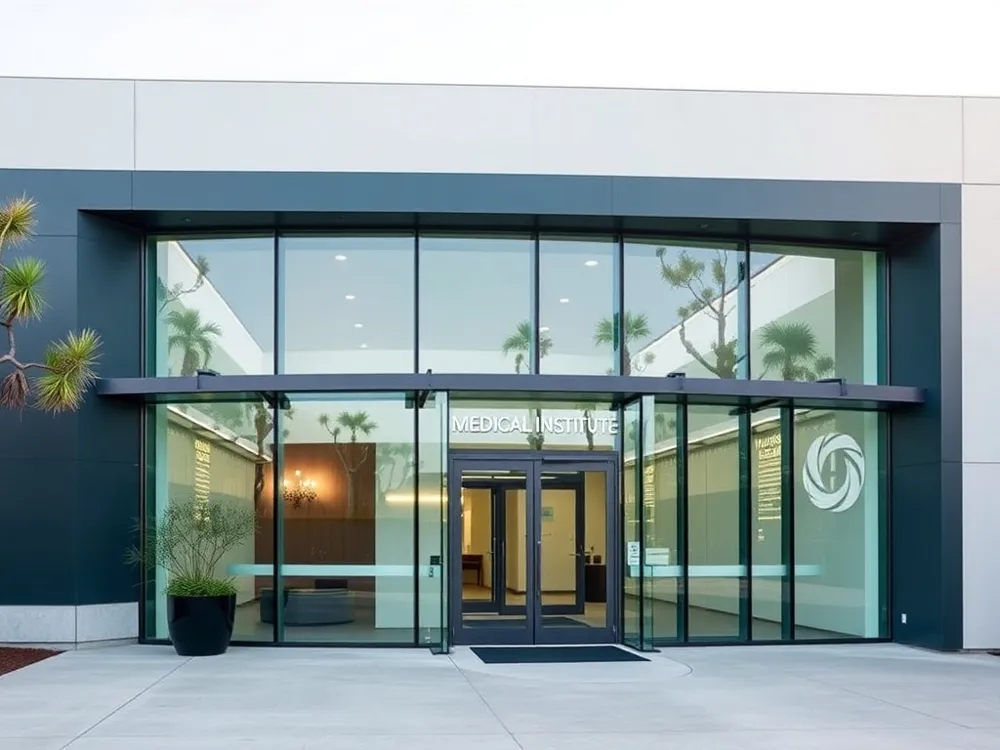
What makes California the undisputed global engine for longevity science?
California is home to the Buck Institute for Research on Aging, the world’s only institution fully dedicated to aging research. This scientific hub is joined by Calico (founded by Google), Verily, and elite universities like Stanford, UC San Francisco, USC, and UCLA.
These institutions attract 15% of all NIH biomedical research grants, amounting to $3.9 billion. They produce foundational discoveries in cellular senescence, mitochondrial function, and epigenetic reprogramming—findings that are rapidly commercialized by local startups and adopted by clinics.
This unmatched density of basic science talent and funding creates a direct pipeline from the lab bench to the patient bedside, a model no other region can replicate. This scientific infrastructure is the bedrock of personalized longevity care.
2. A Thriving Longevity Biotech Cluster

A Critical Mass of Innovation
California is home to 53% of the world's longevity companies—93 out of 177 globally. This cluster is heavily concentrated in San Francisco (65 companies), San Diego (32), and Los Angeles (8).
Deep Capital for Deep Science
In 2022, private investment in California's geroscience reached $3.64 billion, dwarfing the $0.46 billion invested in Massachusetts. This capital fuels startups like Altos Labs and Retro Biosciences, along with over 1,000 companies on the Longevity Tech Tree platform.
The Result: Accelerated Personalized Care
This concentration of capital and talent directly accelerates the development of personalized diagnostics, biomarkers, and regenerative therapies, making California the undeniable engine of longevity medicine.
| Hub | Companies | Focus Areas | Notable Entities |
|---|---|---|---|
| San Francisco / Silicon Valley | 65 | Cellular reprogramming, AI, biotech | Altos Labs, Retro Biosciences, Calico |
| San Diego | 32 | Genomics, diagnostics, regenerative medicine | Human Longevity, Illumina |
| Los Angeles | 8 | Consumer health, AI-driven diagnostics | Prenuvo, USC, UCLA |
| 2022 Investment | $3.64 B | 8x more than runner-up | Fuels R&D across all hubs |
3. Unmatched Venture Capital and Business Ecosystem

Why has venture capital flocked to longevity in California?
Silicon Valley’s venture capital firms—including Andreessen Horowitz (a16z) and Khosla Ventures on Sand Hill Road—pioneered longevity as an investable asset class. California companies attracted over $7.6 billion in life sciences venture capital in 2018 alone, and the trend has only intensified.
How do business models differ from traditional healthcare?
Investors now fund platforms that combine diagnostics, AI, and recurring subscription care models, mirroring SaaS economics but targeting healthspan extension. The narrative has shifted from "anti-aging" to "healthspan extension," making the sector credible to institutional investors comfortable with regulatory pathways for diagnostics and therapies.
4. Pioneering Personalized, Proactive Clinics
California hosts a dense network of clinics that have fundamentally shifted from reactive sick-care to personalized, proactive longevity medicine. Facilities like Human Longevity (San Diego and South San Francisco), the Sydenham Clinic (Beverly Hills), The Optimal Medical Group (Fresno), White Olive Medical (Woodland Hills), and Angel Longevity Medical Center (Los Angeles) exemplify this new standard. These are not traditional doctor’s offices; they are precision health hubs that treat aging itself, not just individual diseases.
How do these clinics create individualized treatment plans?
These clinics move beyond one-size-fits-all medicine by building plans around each patient’s unique biology. They employ a suite of advanced diagnostics—including whole genome sequencing, AI-driven full-body MRI, liquid biopsy, continuous glucose monitoring, and VO₂ max testing—to create a deep, individualized health baseline. The resulting data informs highly personalized treatment protocols for everything from hormone optimization and nutrition to targeted supplementation and regenerative therapies.
What do leading programs like Human Longevity and the Sydenham Clinic offer?
Human Longevity’s Executive Health program ($8,000/year) is a flagship example, bundling whole genome sequencing, brain MRI with NeuroQuant, 120+ blood biomarkers, and a $1 million cancer prevention pledge. The Sydenham Clinic’s Omnia program offers year-round, physician-led optimization with no rushed visits, featuring deep genomic intelligence, AI-driven cardiac screening, and continuous root-cause evaluation. These comprehensive models are only possible because of California’s unique ecosystem—a convergence of top research, biotech infrastructure, venture capital, and a population that demands proactive, data-driven care. This environment allows clinics to focus on extending healthspan by intervening upstream on the biological mechanisms of aging itself. | Clinic | Location | Signature Diagnostic Offerings | Care Model | | --- | --- | --- | --- | | Human Longevity | San Diego & South San Francisco | Whole genome sequencing, whole body MRI, 120+ biomarkers | Tiered membership (Executive Health, 100+ Care) with $1M cancer pledge | | Sydenham Clinic | Beverly Hills | Genomics, AI-driven cardiac/vascular screening, liquid biopsy | Omnia: year-round, root-cause, physician-led optimization | | The Optimal Medical Group | Fresno | Advanced hormone panels, metabolic markers, inflammatory tests | Personalized precision plans based on biology and goals | | White Olive Medical (Dr. Shukhman) | Woodland Hills | Advanced labs, metabolic evaluation | Concierge care with 90-day metabolic reset program | | Angel Longevity Medical Center | Los Angeles | Advanced testing for imbalances/deficiencies | Root-cause functional medicine with BHRT and IV therapy |
5. A Policy Environment That Prioritizes Healthy Aging
A Master Plan for the Future of Aging
California has explicitly recognized healthy longevity as a public priority. The California Master Plan on Aging and a dedicated Alzheimer’s Task Force provide a comprehensive framework. In 2015, the state launched the California Initiative to Advance Precision Medicine (CIAPM), allocating $30 million in its 2018–2019 budget to support projects in this area.
Direct Investment in Longevity Science
| Public policy through tax incentives supports the entire life sciences ecosystem. The California Institute for Regenerative Medicine (CIRM), created in 2004, has funded stem cell research for over two decades. More recently, the proposed California Healthspan Initiative (CHI) would make California the first U.S. state to directly fund geroscience R&D, investing an estimated $200 million per year to target the fundamental hallmarks of aging. Governor Gavin Newsom has committed to this approach. | Policy/Initiative | Focus Area | Funding/Impact |
|---|---|---|---|
| California Master Plan on Aging | Comprehensive framework for an aging population | Statewide coordination and Alzheimer’s Task Force | |
| California Initiative to Advance Precision Medicine (CIAPM) | Precision medicine projects | $30 million in 2018–2019 | |
| California Institute for Regenerative Medicine (CIRM) | Stem cell research and therapies | Accelerated regenerative treatments since 2004 | |
| California Healthspan Initiative (CHI) | Geroscience R&D targeting aging hallmarks | Proposed $200 million annually |
6. The Longest-Living Communities in the U.S.
How do communities in California prove that longevity practices work?
Californians live an average of 79 years—more than two years above the U.S. average—with only Hawaii ranking higher. Loma Linda is a recognized Blue Zone where men reach 89 and women 91, thanks to a plant-based diet, regular exercise, and strong social bonds. Marin County boasts the state's longest life expectancy at over 83 years, while the Bay Area and Los Angeles rank second and third nationally among metro areas. These examples prove that California's longevity principles deliver real results and attract those seeking to adopt those habits.
7. Advanced Technology Integration: AI, Genomics, and Digital Health
California-based companies are at the forefront of applying artificial intelligence to longevity. Human Longevity’s Longevity AI platform analyzes whole genome sequences, MRI images, and over 100 blood biomarkers to produce personalized, actionable health plans.
How are AI and digital health tools making personalized longevity care scalable?
Connected health devices like the Oura Ring, Whoop, and Levels were designed and popularized by Silicon Valley. These tools enable continuous self-quantified health monitoring for metrics like sleep, heart rate variability, and glucose levels.
Clinics such as The Sydenham Clinic in Beverly Hills integrate this technology into their programs. They use AI-driven cardiac screening, liquid biopsy for early cancer detection, and continuous sleep optimization via Oura rings as core diagnostic pillars.
This technology layer—far beyond basic lab work—transforms personalized care into a data-driven, scalable model. California remains the primary hub where most of these advanced tools are invented and first applied. | Tool/Platform | Application in Longevity | Key Benefit | |---|---|---| | Human Longevity AI | Analyzes genome, MRI, & 100+ biomarkers | Delivers personalized action plans | | Oura Ring | Tracks sleep, recovery, & HRV | Enables continuous health optimization | | AI Cardiac Screening | Uses CT calcium scoring & AI imaging | Identifies silent cardiovascular disease | | Liquid Biopsy | Detects malignancy signals via blood test | Finds cancer at earliest stages |
8. A Culture That Embraces Wellness and Prevention
Why does California have a high life expectancy?
California’s longevity advantage is built on a foundation of health-conscious behavior and supportive infrastructure. The state has the fourth-lowest obesity rate in the U.S. and the lowest smoking rate except for Vermont. Strong environmental protections for air and water, combined with abundant sunshine and a culture of outdoor activity, promote year-round physical movement.
A 2024 study by Stanford and MIT researchers found that moving to California after age 65 can increase life span by over a year—a 5% boost. This cultural embrace of health is embedded in lifestyle and policy, creating a population already primed for advanced personalized longevity care.
9. Home to the Pioneers of Genetic and Regenerative Medicine
How does California’s genomic pedigree fuel personalized longevity?
Human Longevity, founded in 2013 by Dr. J. Craig Venter—the first scientist to sequence the human genome—is headquartered in San Diego and South San Francisco. The company has cataloged 400 million genetic variants, served over 10,000 clients, and invested over $600 million in research. Its scientific advisors include Nobel Laureates Geoffrey Hinton and Michael Levitt, with partners like Mass General Brigham, Siemens Healthineers, and the Buck Institute. This pedigree—combining foundational genomic science with AI and clinical scale—is unique to California and drives the entire field of personalized longevity forward.
10. A Complete, Self-Sustaining Longevity Economy
A Complete, Self-Sustaining Longevity Economy
California's longevity ecosystem is unmatched globally. The Aging Analytics Agency has profiled over 220 companies, 255 investors, 40 research labs, and 40 non-profits in the state. This density creates a fully integrated market.
The state’s four biotech mega-clusters—San Francisco Bay Area, Los Angeles, Orange County, and San Diego—house 3,418 life sciences companies. These generated over $178 billion in revenue in 2017 alone. The economic impact is profound: the 50+ population accounted for 42% of California’s GDP in 2015 and supported 49% of local jobs.
No other region in the world has this concentration of scientific, financial, clinical, and cultural resources aligned to extend healthspan. California didn’t just participate in the longevity revolution; it invented it.
VO₂ Max: The #1 Predictor of Longevity
What is the #1 Predictor of Longevity?
VO₂ max—how efficiently your body uses oxygen during exercise—is the strongest single predictor of longevity. Low VO₂ max is linked to 2 to 5 times higher risk of early death.
How Do California Clinics Use This Metric?
Leading California clinics, such as Longevity Health and Best Life Medical Center, incorporate VO₂ max testing into personalized plans alongside continuous glucose monitoring and DEXA scans.
Can You Improve It at Any Age?
Improving VO₂ max is achievable at nearly any age through brisk walking, cycling, and short high-intensity intervals.
Heart Disease: California’s #1 Killer—and a Key Target for Personalized Care
What is the #1 cause of death in California?
Heart disease is the leading cause of death in California. In 2022, heart disease, along with cancer and accidents, accounted for 47% of the state’s 147,957 deaths, highlighting a critical area for intervention.
How are California clinics targeting this?
Personalized longevity clinics across California are making cardiovascular prevention a primary focus. They leverage advanced diagnostics like Lp(a) and ApoB lipid panels, CT calcium scoring, and AI-driven cardiac imaging to detect risk early, moving beyond standard annual checkups. For instance, this data-driven approach aligns with the finding that 90% of cardiovascular disease is preventable through lifestyle changes informed by advanced testing. Clinics offer root-cause strategies, creating a personalized roadmap for prevention. | Aspect | California Clinic Focus | Impact | |---|---|---| | Detection | Advanced lipid panels, CT calcium score, AI imaging | Identifies risk years before symptoms | | Prevention | Root-cause analysis, lifestyle plans | Targets the 90% of preventable cases | | Monitoring | Continuous tracking, follow-up | Allows ongoing optimization of health |
Four Lifestyle Factors That Add Years—Proven by Science
What are four factors that contribute to longevity?
Research shows four key lifestyle factors can reduce the risk of death by up to 80%: not smoking, which is the single most impactful choice; maintaining a healthy weight, ideally a BMI under 25; staying physically active with about 30 minutes of exercise most days; and making healthy food choices, such as a Mediterranean-style diet rich in fruits, vegetables, whole grains, and healthy oils. Adopting all four behaviors dramatically lowers the chances of chronic disease and promotes a longer, healthier life.
California’s environment supports these foundations.
California’s population already benefits from the second-lowest smoking rate and the fourth-lowest obesity rate in the U.S. An outdoor-friendly culture and strong environmental protections make it easier for residents to adopt these behaviors. Personalized longevity clinics across the state then layer on advanced diagnostics—such as genetic testing and continuous monitoring—to fine-tune these lifestyle foundations for each individual.
The Top Supplement for Longevity: Ergothioneine
What is the number one supplement for longevity?
While no single supplement is a magic bullet, emerging research positions ergothioneine as a top contender. This naturally occurring amino acid derivative has a dedicated transporter in the body, delivering it directly to tissues most vulnerable to aging: the liver, kidneys, eyes, and brain.
Studies link higher blood levels of ergothioneine to a 21% lower risk of cardiovascular mortality and a 50% reduction in cognitive decline. It also boosts NAD+ levels and activates the body's master antioxidant defenses, directly supporting cellular health.
California clinics often include ergothioneine in personalized nutraceutical plans after testing for specific deficiencies. Even the best supplements—including ergothioneine, omega-3s, and NAD+ precursors—should complement a healthy lifestyle, not replace it.
Antibiotics: A Medical Revolution That Doubled Life Expectancy
What is a medical advancement that has improved human longevity?
The discovery of antibiotics, beginning with penicillin in the 1940s, fundamentally reshaped human health. By conquering infectious diseases that had been leading causes of early death, this medical revolution contributed to a doubling of global life expectancy from roughly 31 years in 1900 to 61 years by 1980. Vaccines achieved a similar impact, creating a powerful foundation for the pursuit of longevity.
A necessary nuance
The Hastings Center Goals of Medicine project offers an important perspective: modern medicine has, at times, prioritized saving and extending life above other critical goals. This focus can come at the expense of relieving suffering or ensuring a peaceful death, highlighting a need for balance. The current personalized longevity movement addresses this by shifting the aim from merely extending years to actively extending healthspan—the years lived in good health.
California's balanced model
California’s clinics embody this balanced approach. They do not simply chase longevity; they root their work in advanced diagnostics and personalized treatment plans designed to enhance quality of life. Rather than focusing on a single metric of lifespan, these practices strive to align extended life with an individual's values and well-being. Ultimately, this represents an evolution from the singular goal of defeating disease to the more holistic aim of optimizing the entire human experience of aging.
Loma Linda: The California City Where Living to 90 Is Routine
What city in California has the longest life expectancy?
Loma Linda, California, is a medically recognized Blue Zone where men live to about 89 and women to about 91—far exceeding the U.S. average of 78. This longevity stems from the community’s Adventist culture: a plant-based diet, regular exercise, and strong social bonds.
How Loma Linda mirrors medical best practices
This is not an accident. These habits directly mirror what California’s top longevity clinics prescribe: personalized nutrition, structured movement, stress management, and deep social connection. Loma Linda serves as living proof that the principles driving the state’s industry work at the population level.
Conclusion: The Future of Aging Is Being Written in California
No other region in the world combines all the elements that make California the undisputed leader in personalized longevity care. The state is defined by a self-sustaining cycle: world-class research institutions like the Buck Institute attract massive venture capital, which funds pioneering biotech startups like Altos Labs and Human Longevity. These startups open advanced clinics, which serve a health-conscious population and generate data that feeds directly back into research.
This virtuous cycle is supported by a progressive policy environment and a pervasive wellness culture. The result is a longevity economy that doesn't just extend lifespan—it aims to dramatically improve healthspan. For those serious about personalizing their own future, California offers an ecosystem that cannot be replicated elsewhere. It does not simply help you live longer; it shows you how to live better, on your own terms. | Ecosystem Element | Key Examples | Contribution to Longevity | |---|---|---| | Research Powerhouses | Buck Institute, Stanford, USC | Uncover biological mechanisms of aging | | Biotech & Startups | Altos Labs, Calico, Retro Biosciences | Translate research into cellular therapies | | Venture Capital | Andreessen Horowitz, Khosla Ventures | Fund high-risk, high-reward longevity ventures | | Pioneering Clinics | Human Longevity, Sydenham Clinic | Deliver AI-driven, personalized care plans | | Supportive Policy | CA Master Plan on Aging, CIAPM | State-level investment and regulatory support | | Health-Conscious Population | Blue Zones, low smoking/obesity rates | Create a market for proactive health services | | Digital Health & AI | Levels, Oura, Longevity AI | Enable continuous, data-driven self-management | | Genomics Focus | Illumina, Human Longevity | Foundational for precision, personalized intervention |